
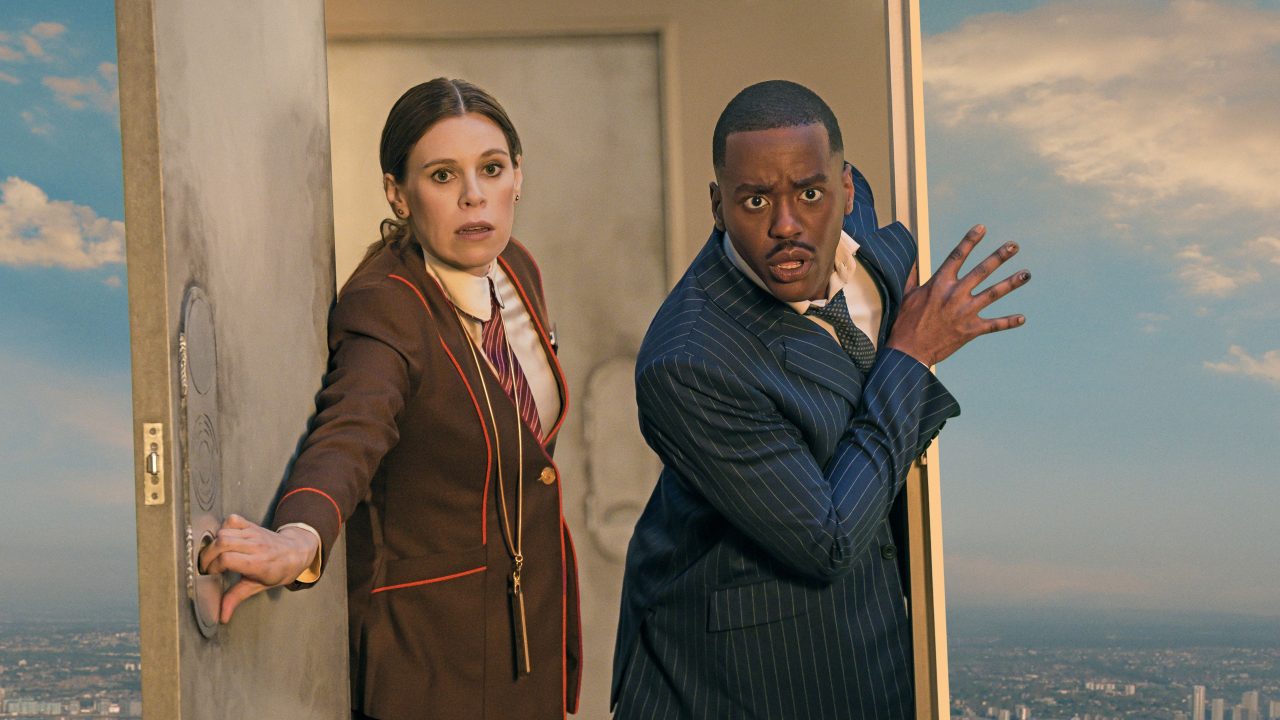
Doctor Who has survived for over six decades by constantly reinventing itself — but surviving and thriving are two very different things. As the show heads toward Season 16, fans and critics alike are asking a pointed question: can the series course-correct after a run of episodes that left even longtime viewers frustrated?
Season 15 had its moments, but it also carried forward several persistent issues that have been building across the revival era. The problems aren’t invisible — they’re being discussed openly in fan communities and entertainment press alike. And with a new season on the horizon, the window to fix them is right now.
Here’s an honest look at what Doctor Who genuinely needs to address if Season 16 is going to win back its audience and remind people why this show once felt unmissable.
The Core Problem: Doctor Who Has Struggled to Find Its Footing
The modern era of Doctor Who — particularly since the Disney+ partnership expanded its international reach — arrived with enormous promise. A bigger budget, a beloved new Doctor in Ncuti Gatwa, and showrunner Russell T Davies returning to helm the series he revived in 2005. On paper, it looked like a guaranteed success story.
In practice, the results have been uneven. Some episodes landed with genuine emotional power. Others felt rushed, narratively messy, or tonally inconsistent in ways that made it hard to stay invested. The show’s identity — always a balancing act between family-friendly adventure, emotional drama, and science fiction invention — has felt uncertain at times.
That uncertainty is what Season 16 needs to resolve, and it needs to do it quickly.
Six Problems That Keep Coming Up — And Why They Matter
Based on widely discussed criticisms of recent seasons, several recurring issues stand out as the most urgent for the production team to address. These aren’t minor quibbles. They’re structural and creative challenges that affect how the show feels from week to week.
| Problem Area | Why It Matters | What Fans Want Instead |
|---|---|---|
| Narrative consistency | Story threads introduced and then dropped confuse viewers | Clearer season-long arcs with satisfying payoffs |
| Tonal balance | Jarring shifts between comedy and heavy drama undercut both | Tonal confidence that earns its emotional beats |
| Companion development | Supporting characters often feel underdeveloped or sidelined | Companions with clear arcs and genuine agency |
| Villain credibility | Antagonists introduced with great fanfare but defeated too easily | Threats that feel genuinely dangerous across multiple episodes |
| Episode pacing | Some stories feel either overstuffed or frustratingly thin | Room for ideas to breathe and develop properly |
| Emotional grounding | Big moments sometimes arrive without sufficient setup | Character work that makes the audience care before the climax |
The Companion Question Is Bigger Than It Looks
One of Doctor Who’s longest-running strengths is the companion — the human anchor who grounds the audience inside the Doctor’s extraordinary world. When the companion works, the whole show works better. Think of how Rose Tyler made the 2005 revival feel urgent and personal, or how Donna Noble gave the Tenth Doctor’s era so much of its heart.
Recent seasons have struggled to give companions that same weight. Characters are introduced with interesting setups but don’t always receive the screen time or writing needed to make viewers genuinely invested in their fate. When something dramatic happens to a companion the audience hasn’t fully connected with, the emotional impact just isn’t there.
Season 16 needs to treat its companion as a co-lead in the truest sense — not a sidekick, not a plot device, but a fully realized character with their own wants, fears, and growth across the season.
Villains Need to Be Scary Again
Doctor Who’s greatest monsters — the Daleks, the Cybermen, the Weeping Angels at their peak — work because they feel genuinely threatening. There’s a real sense that the Doctor might not win, or that winning will cost something significant.
That tension has been harder to maintain in recent years. When villains are introduced, built up with dramatic music and ominous dialogue, and then dispatched within the same episode or resolved through a convenient plot mechanism, it deflates the stakes for everything that follows. Audiences stop believing the danger is real.
The fix isn’t complicated in theory, even if it’s harder in execution: give antagonists time to actually be frightening. Let them win occasionally. Let the Doctor struggle. The show is at its best when victory isn’t guaranteed.
Pacing and Story Structure Still Need Work
Doctor Who’s move toward a shorter season format — following broader industry trends — means every episode carries more weight. There’s less room for filler, which sounds like a good thing, but it also means that when an episode doesn’t work, the damage to the season’s momentum is more pronounced.
Some recent episodes have tried to pack too many ideas into 45 minutes, leaving concepts that deserved fuller exploration feeling truncated. Others have moved so slowly that the actual plot barely advances. Neither extreme serves the show well.
What works is confident pacing — episodes that know what they’re about, establish that clearly early on, and then commit to exploring it with focus. Classic Who managed this regularly with far more limited resources. The modern version, with its expanded budget and talent, should be doing it more consistently.
What Season 16 Could Be — If It Gets This Right
The potential is genuinely there. Ncuti Gatwa has proven he can carry the role with charisma and emotional depth. Russell T Davies has done this before — the 2005 revival remains one of the most successful relaunches in television history. The infrastructure exists for something great.
But potential only matters if it’s realized. Season 16 arrives with the audience still watching, still willing to be won over. The goodwill hasn’t entirely evaporated. Fixing these core issues — tightening the storytelling, deepening the characters, restoring genuine threat to the villains — won’t require a complete reinvention. It requires focus and follow-through.
Doctor Who has come back from harder places than this. The question now is whether the team behind it recognizes the moment they’re in.
Frequently Asked Questions
When is Doctor Who Season 16 expected to air?
An official premiere date for Season 16 had not been confirmed at the time of writing. Fans should watch for announcements from the BBC and Disney+.
Who plays the Doctor in Season 16?
Ncuti Gatwa continues in the role of the Doctor, having taken over the part in the most recent era of the show.
Is Russell T Davies still showrunner for Season 16?
Russell T Davies returned as showrunner for the current era of Doctor Who, though specific details about his ongoing role in Season 16 have not been fully confirmed in available source material.
What are the biggest complaints fans have about recent seasons?
Common criticisms include inconsistent pacing, underdeveloped companions, villains who don’t feel sufficiently threatening, and tonal imbalance between comedy and drama.
Has Doctor Who’s viewership been affected by these issues?
Specific viewership figures were not available in
Could Season 16 fix all of these problems at once?
Addressing all six issues simultaneously would be ambitious, but many of them are interconnected — stronger character writing, for example, naturally improves both emotional impact and companion development at the same time.



Leave a Reply