
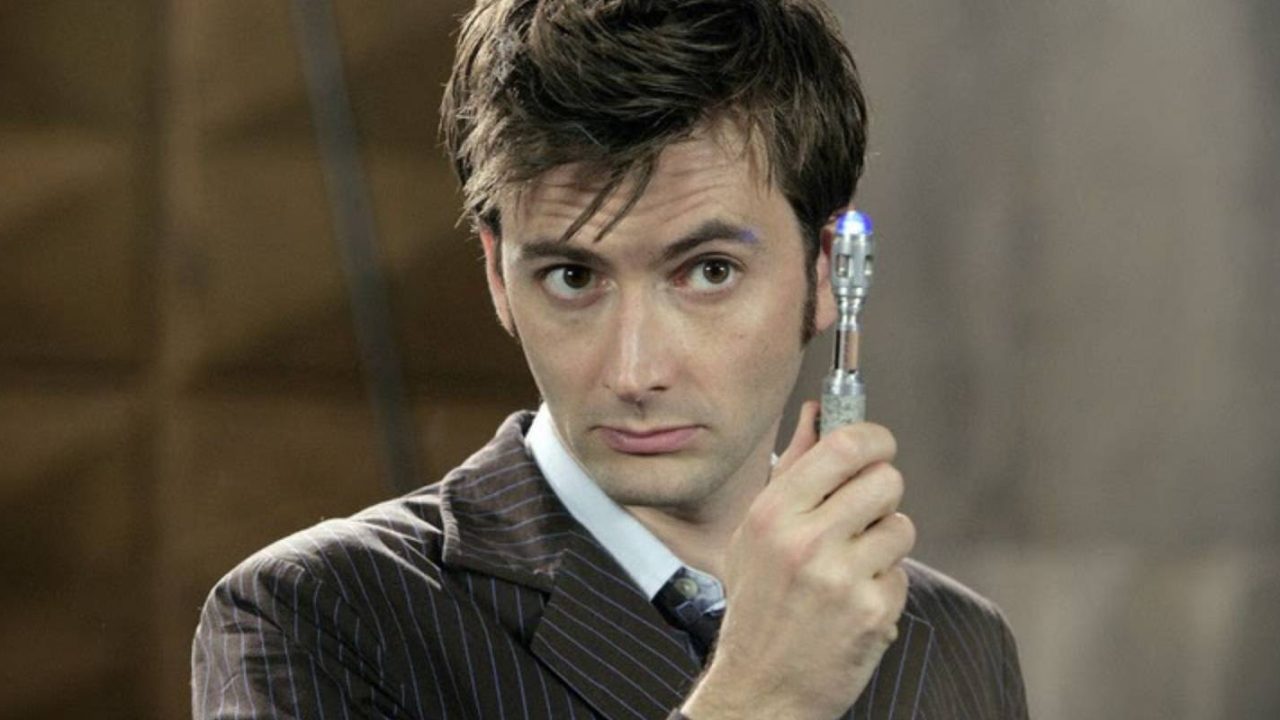
Doctor Who has been running — on and off — for over six decades, and in that time it has introduced one of science fiction’s most fascinating alien civilizations: the Time Lords of Gallifrey. Powerful, ancient, and deeply complicated, they are far more than just background lore. They are characters in their own right, ranging from the Doctor’s closest allies to their most dangerous enemies.
With 17 notable Time Lords having appeared across the series, ranking them is exactly the kind of debate that fuels fan communities. Some are iconic villains. Some are tragic figures. A few are genuinely underrated. And the question of who belongs at the top — and who belongs at the bottom — says a lot about what you value in the show.
Here is a look at the Time Lords of Doctor Who, what makes each one compelling, and how fans tend to think about where they stand in the wider mythology of the series.
Why Time Lords Matter So Much to Doctor Who
The Time Lords are not just a plot device. They represent the moral weight of the entire series. They are a civilization capable of watching all of time and space — and choosing, more often than not, to do nothing. That tension between power and responsibility is what makes the Doctor interesting in the first place. The Doctor left Gallifrey precisely because they refused to accept that philosophy.
Every other Time Lord the series introduces reflects a different response to that same question: what do you do with godlike power? The answers range from warmongering to cowardice to genuine heroism, and that range is what makes the Gallifreyan cast so rich.
The show spans both the classic era, which ran from 1963 to 1989, and the modern revival, which began in 2005 and continues today. Time Lords appear across both periods, which means any serious ranking has to weigh characters who existed in very different versions of the show.
The Time Lords of Doctor Who: A Breakdown
Across the show’s long history, 17 Time Lords have made enough of an impression to be considered significant characters. They include regenerating heroes, recurring villains, one-episode tragedies, and figures whose loyalties shifted across decades of storytelling.
| Time Lord | Era | Broadly Known As |
|---|---|---|
| The Doctor | Classic & Modern | The hero of the series |
| The Master | Classic & Modern | The Doctor’s nemesis |
| The Rani | Classic | Renegade scientist |
| Romana | Classic | The Doctor’s companion and fellow Time Lord |
| Rassilon | Classic & Modern | Founder and authoritarian ruler of Gallifrey |
| Omega | Classic | Tragic engineer and villain |
| The War Doctor | Modern | The Doctor’s hidden incarnation |
| The Meddling Monk | Classic | Rogue Time Lord with a lighter touch |
| The Corsair | Modern | Referenced renegade |
| Susan Foreman | Classic | The Doctor’s granddaughter |
| The Timeless Child | Modern | Mythological origin figure |
| Drax | Classic | Old Academy acquaintance of the Doctor |
| The Valeyard | Classic | Dark future version of the Doctor |
| Chancellor Goth | Classic | Gallifreyan political figure |
| Cardinal Borusa | Classic | Time Lord elder and eventual villain |
| The Rani’s TARDIS | Classic | Supporting character |
| The General | Modern | Gallifreyan military commander |
The Characters That Define the Gallifreyan Mythology
Any honest ranking of Time Lords has to start with the obvious: the Doctor and the Master are in a category of their own. They are the twin poles of the show’s moral universe. The Doctor represents the conscience that Gallifrey refused to develop. The Master represents what happens when that conscience is abandoned entirely — or deliberately destroyed.
What makes the Master particularly compelling is the sheer number of actors who have taken on the role, each bringing something different. From Roger Delgado’s suave menace in the classic era to John Simm’s manic energy to Michelle Gomez’s extraordinary reinvention as Missy, the character has remained dangerous and watchable across wildly different interpretations.
Romana is frequently cited as one of the most underused characters in the show’s history. As a Time Lord who was arguably the Doctor’s intellectual equal — and who eventually became President of Gallifrey in expanded universe material — she had enormous potential that the classic series only partially explored.
Rassilon is a figure whose reputation shifts dramatically depending on which era of the show you’re watching. In the classic series, he is a legendary founding hero. By the time of the modern revival’s The End of Time, he has become a full authoritarian villain, willing to destroy all of reality to survive. That arc makes him one of the most complex figures in the mythology.
The Time Lords Who Deserve More Credit
Omega is a character whose tragedy rivals anything in the show’s history. The stellar engineer who made Time Lord civilization possible — who sacrificed himself in the process — only to be driven to madness by millennia of isolation in an antimatter universe. His appearances are relatively few, but the weight of his story is enormous.
The Rani, meanwhile, is a character who has never quite received the serious treatment her concept deserves. A renegade scientist with no interest in morality or politics — only in her experiments — she represents a genuinely different kind of Time Lord villain. Not power-hungry like the Master, not tragic like Omega. Just coldly indifferent.
The Valeyard — a distillation of the Doctor’s darker impulses, existing somewhere between their twelfth and final regenerations — is one of the most unsettling ideas the show has ever produced. The concept that the Doctor’s own moral failings could solidify into a separate being is haunting, and fans have long felt the character deserves a proper modern revival.
What a Ranking Like This Really Tells Us
Ranking the Time Lords is ultimately an exercise in thinking about what Doctor Who is really about. Is it about the thrill of adventure? Then characters like Romana and the War Doctor rank highly. Is it about moral complexity? Then Rassilon and the Valeyard become more interesting. Is it about the enduring power of a great villain? Then the Master wins almost every time.
The fact that this debate exists at all — that fans care enough to argue about 17 different Gallifreyan characters across six decades of television — is its own kind of testament to how deeply the show has built its world.
Frequently Asked Questions
How many Time Lords are considered significant characters in Doctor Who?
Across the classic and modern eras of the series, 17 Time Lords are recognized as notable characters in the show’s mythology.
Who is generally considered the most iconic Time Lord villain?
The Master is widely regarded as the Doctor’s defining nemesis and one of the most iconic villains in the series, having been portrayed by multiple actors across both the classic and modern eras.
Did Doctor Who run continuously from 1963 to today?
No. The classic series ran from 1963 to 1989, and the modern revival began in 2005 and has continued since then.
Is Romana considered a major Time Lord character?
Yes. Romana is the Doctor’s companion and a fellow Time Lord who is frequently cited by fans as one of the most compelling and underutilized characters in the show’s history.
What is the Valeyard?
The Valeyard is a classic-era character described as a distillation of the Doctor’s darker impulses, said to exist somewhere between the Doctor’s twelfth and final regenerations.
Who is Rassilon in Doctor Who?
Rassilon is the founder of Time Lord civilization, portrayed as a legendary hero in the classic series but reimagined as an authoritarian villain in the modern revival episode The End of Time.


Leave a Reply