
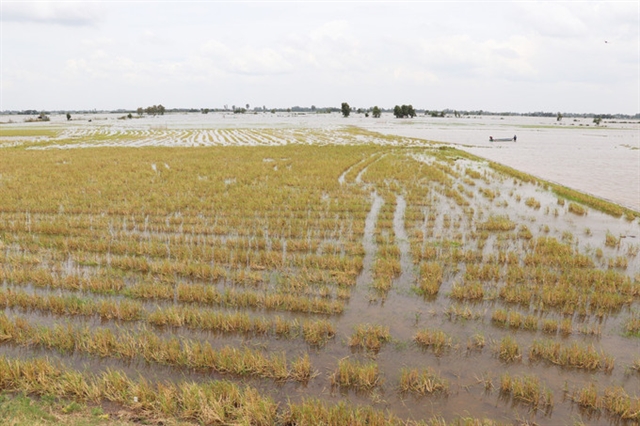
Fewer than three decades ago, vast stretches of Dong Thap Muoi — the flooded lowlands straddling southern Vietnam — produced a single rice crop per year with yields so meager that farmers barely broke even. Today, those same fields yield two to three harvests annually, and the province they anchor is standing at the front of Vietnam’s most important travel trade event, not as a footnote, but as a headline act.
At VITM 2026 in Hanoi, Dong Thap is presenting a story that most global travelers have never heard. It involves lotus flowers, digital tourism platforms, climate-resilient farming, and a deliberate decision to treat the environment as an asset rather than an obstacle.
What VITM 2026 Means for Vietnam’s Sustainable Travel Agenda
The Vietnam International Travel Mart, held annually in Hanoi, is the country’s premier travel trade event. It draws tour operators, destination marketers, government bodies, and international buyers looking for the next wave of Vietnamese tourism products. In 2026, sustainable travel is not a side panel. It is the organizing principle.
Dong Thap’s participation fits that mandate precisely. The province is showcasing green tourism initiatives, digital innovations, and locally sourced specialties that reflect a broader regional transformation underway in the Mekong Delta. This is not a tourism booth selling river cruises. It is a carefully constructed argument that ecological stewardship and economic development can run in parallel.
How Floodplain Farming Became Dong Thap’s Tourism Foundation
The ecological backstory of Dong Thap is inseparable from its tourism pitch. For generations, the Dong Thap Muoi floodplain was considered one of southern Vietnam’s most difficult agricultural environments. Seasonal inundation, acidic soils, and limited infrastructure kept productivity low and farmers poor.
Then something shifted. Local authorities and agricultural scientists began working with native species and traditional knowledge rather than against them. According to reporting from Vietnam News, native species, local wisdom, and scientific support merged into a development strategy uniquely tailored to the flood-prone Dong Thap Muoi region. Floods, once seen as a threat, became a managed seasonal resource.
The results were dramatic. Deep-lying areas that once produced one low-yield rice crop per year shifted to two or three high-yield harvests. Land reclamation expanded agricultural potential without destroying the wetland ecosystems that give the region its ecological character, as documented by Vietnam’s agricultural press.
This agricultural transformation is the foundation beneath Dong Thap’s green tourism proposition. Visitors don’t just see rice paddies. They encounter a living experiment in climate adaptation, one that the province is now packaging as an immersive travel experience.
The Digital Layer: Dong Thap’s Tech-Forward Tourism Model
Sustainable tourism without digital infrastructure tends to stay local. Dong Thap has understood this. At VITM 2026, the province is presenting digital innovations alongside its ecological credentials, a combination that signals a mature destination strategy rather than a reactive marketing push.
Digital tools in Dong Thap’s tourism framework include platforms that help visitors navigate rural wetland routes, connect with local guides, and access information about seasonal agricultural cycles. The goal is to extend the tourism season beyond the obvious flood-season spectacle and distribute visitor spending more evenly across communities.
“Dong Thap is driving economic transformation after merging with Tien Giang province, aiming to become the Mekong Delta’s strategic gateway.”
— Vietnam Investment Review
The provincial merger with Tien Giang, referenced by Vietnam Investment Review, adds further strategic weight. A larger administrative unit means greater infrastructure investment, more consolidated tourism promotion, and a stronger bargaining position when attracting international tour operators.
Local Specialties as Cultural Ambassadors at VITM 2026
Food is rarely an afterthought at Dong Thap’s promotional events. At VITM 2026, local specialties from the province are being featured as central elements of the destination’s identity. This matters more than it might appear.
Dong Thap is famous for its lotus products, from lotus seed tea to lotus root dishes, all tied to the wetland ecosystems that define the region. Sen Dong Thap, the lotus of Dong Thap, has become a cultural emblem. It appears on tourism branding, in local markets, and increasingly in high-end Vietnamese cuisine.
| Dong Thap Specialty | Ecological Connection | Tourism Relevance |
|---|---|---|
| Lotus seed products | Wetland lotus cultivation in flood-season fields | Signature souvenir; featured in agri-tourism tours |
| Flood-season fish dishes | Wild-caught during managed annual inundation | Seasonal culinary tourism draw |
| Sa Dec flower exports | Horticulture tied to Mekong river sediment | Sa Dec flower village is a major heritage tourism site |
| Xoai cat Hoa Loc mangoes | Mekong alluvial soil cultivation | Orchard tourism; farmstay experiences |
Featuring these products at a national trade event like VITM 2026 sends a clear signal to tour operators. Dong Thap is not selling scenery alone. It is offering a layered destination where food, ecology, culture, and agriculture intersect at every turn.
Climate Resilience as a Travel Narrative, Not Just a Policy Goal
The WWF has partnered with Dong Thap on a second phase of a climate resilience project, according to Vietnam Investment Review. That partnership is significant for travelers, not just policymakers.
When an international conservation organization invests in a destination’s second project phase, it signals credibility. It means the first phase delivered measurable results. It also means the environmental commitments being marketed at VITM 2026 are backed by external accountability, not just provincial press releases.
For the growing segment of travelers who research sustainability credentials before booking, that WWF connection is a meaningful data point. It transforms Dong Thap from a destination that claims to be green into one that can demonstrate it.
What Dong Thap’s VITM 2026 Presence Signals for Mekong Delta Tourism
Dong Thap’s ambition at VITM 2026 reflects a broader shift in how Vietnamese provinces are approaching international tourism promotion. The old model relied on beaches, ancient towns, and UNESCO sites. The emerging model builds on ecological identity, agricultural heritage, and climate adaptation.
As Bao Dong Thap has reported, the province’s aspiration to reach a wider world audience is tied directly to its record in improving land-use efficiency and raising farmers’ incomes. Tourism is not separate from that agricultural story. It is an extension of it.
For international travelers, this means Dong Thap offers something increasingly rare: a destination where the tourism experience and the local economy are genuinely aligned. The farmer whose lotus field you visit is the same farmer who benefits from improved land management policies. The guide explaining seasonal flooding patterns is drawing on knowledge that shaped the province’s agricultural revolution.
The Mekong Delta has always drawn travelers with its waterways, floating markets, and river life. But most of that tourism has concentrated in a handful of well-trodden stops. Dong Thap, by building a green identity grounded in real policy outcomes and third-party verification, is positioning itself to capture a different kind of traveler. One who wants the river and the story behind it.
Whether VITM 2026 translates into a measurable surge in international arrivals remains to be seen. But the province has done something harder than booking a trade show booth. It has built a destination narrative that holds up under scrutiny, and in an era of increasingly skeptical travelers, that may matter more than any marketing spend.
Frequently Asked Questions

You Might Also Like
Rajasthan’s Kota Is Getting a Major Resort That Could Change Its Tourism Story
A 200-room international resort is coming to Kota, Rajasthan — and its arrival is being…

Miami’s Airport-to-Cruise-Port Train Could Change How Millions Travel
On busy cruise weekends in Miami, the drive from Miami International Airport to PortMiami can…
Seoul Now Has a Jeju Tea House Offering Island Calm in the City
What if you could step off Seoul’s crowded streets and find yourself surrounded by the…
Leave a Reply