
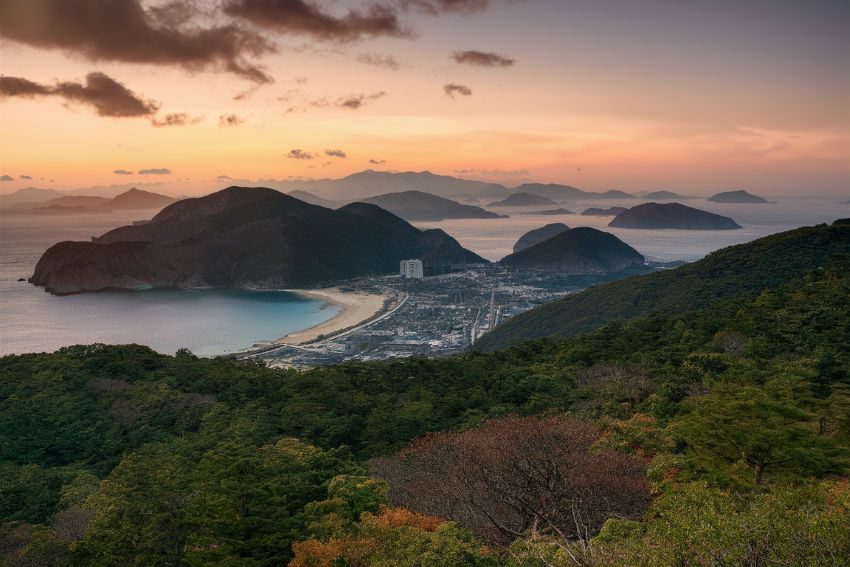
What if you could step off Seoul’s crowded streets and find yourself surrounded by the calm of Jeju Island — without ever boarding a flight? That’s exactly the premise behind a new wellness experience that has recently arrived in South Korea’s capital, and it’s drawing real attention from travelers who want something more meaningful than a standard city itinerary.
Seoul has welcomed an innovative tea house concept inspired by the natural beauty and traditional culture of Jeju Island. The experience brings Jeju’s well-known tea rituals into the heart of a city that rarely slows down, offering visitors a mindful retreat that blends cultural heritage with genuine relaxation.
For international tourists increasingly drawn to wellness-focused travel, this kind of offering represents a shift in what people are looking for when they visit South Korea. It’s not just about sightseeing anymore — it’s about feeling something while you’re there.
Why Jeju’s Tea Culture Belongs in a Conversation About Wellness Travel
Jeju Island has long been celebrated for more than its dramatic volcanic landscape and coastal scenery. Its soil, shaped by centuries of volcanic activity, produces teas with a distinctive character — clean, mineral-rich, and deeply tied to the island’s natural identity. The island’s lush environment and access to pure natural resources give its teas a quality that is difficult to replicate anywhere else.
That’s precisely what makes this Seoul experience so interesting. Rather than simply selling Jeju tea in a city café, the concept attempts to recreate the atmosphere and ritual around it — the sense of slowing down, being present, and engaging with something rooted in place and tradition.
South Korea’s wellness tourism sector has been growing steadily, and this initiative reflects that broader momentum. Travelers are no longer satisfied with experiences that are purely visual or transactional. They want to feel grounded, informed, and genuinely connected to the places they visit.
What the Jeju Tea House Experience Actually Offers
The Seoul tea house draws directly from Jeju’s cultural and environmental identity. Here’s what the concept brings together:
- Traditional tea culture: Rituals and practices rooted in Jeju Island’s long relationship with tea production and consumption
- Island-inspired atmosphere: A sensory environment designed to evoke Jeju’s lush, volcanic landscapes within an urban setting
- Cultural immersion: An opportunity to engage with South Korean heritage in a hands-on, unhurried way
- Mindful relaxation: A deliberately calm pace that encourages visitors to step away from the noise of city life
- Health-focused intention: A wellness lens applied to the entire experience, connecting the physical act of drinking tea to broader well-being
| Element | Inspiration | Experience Type |
|---|---|---|
| Tea rituals | Jeju Island tradition | Cultural immersion |
| Natural atmosphere | Jeju’s volcanic landscape | Sensory and environmental |
| Mindful pacing | Island lifestyle philosophy | Mental wellness |
| Tea quality | Jeju’s volcanic soil and clean resources | Health-focused |
| Urban accessibility | Seoul city center location | Practical convenience |
Who This Experience Is Really For
On the surface, this is a tea house. But the audience it’s designed for is much broader than tea enthusiasts alone. International tourists who arrive in Seoul with a packed itinerary of landmarks and shopping districts now have a genuine alternative — a space where the point is to slow down rather than check something off a list.
The experience appeals particularly to travelers who are interested in what’s sometimes called “meaningful travel” — the idea that a trip should leave you with more than photographs. For that growing segment of visitors, the combination of cultural depth, sensory calm, and wellness intention is genuinely compelling.
It also matters for people who can’t make it to Jeju Island itself. Not every visitor to South Korea has the time or itinerary flexibility to take a separate trip to the island. Bringing Jeju’s essence to Seoul removes that barrier entirely, making the culture accessible without requiring a second destination.
Supporters of this kind of wellness tourism initiative argue that it serves both travelers and the broader goal of preserving and sharing traditional cultural practices. When heritage is experienced rather than simply observed, it tends to leave a lasting impression.
- Focused primarily on landmarks, shopping districts, and visual sightseeing across the city
- Fast-paced itineraries that prioritize coverage of attractions over depth of engagement
- Cultural exposure tends to be passive, with limited hands-on participation in traditions
- Combines cultural heritage with physical and mental well-being in a single urban setting
- Deliberately slow and mindful pace designed to encourage presence and genuine relaxation
- Active engagement with Jeju's traditional tea rituals brings heritage to life personally
The Bigger Picture for South Korea’s Wellness Tourism Push
This tea house experience doesn’t exist in isolation. It reflects a conscious shift in how South Korea is positioning itself as a travel destination. Wellness tourism — experiences that prioritize mental health, cultural connection, and physical well-being — has become one of the fastest-growing segments in global travel.
South Korea has been leaning into this trend, recognizing that travelers increasingly want experiences that feel restorative rather than exhausting. A city like Seoul, known for its intensity and pace, may seem like an unlikely home for a wellness retreat. That contrast is part of what makes the Jeju tea house concept so striking.
By anchoring the experience in something as specific and culturally authentic as Jeju’s tea tradition, the initiative avoids the generic wellness trappings that can make these experiences feel hollow. There’s a real cultural story being told here, and that makes all the difference.
Whether this remains a pop-up concept or evolves into something more permanent will likely depend on how strongly it resonates with both local visitors and international tourists. Given the direction travel preferences are moving, the timing feels right.
Frequently Asked Questions
What is the Jeju tea house wellness experience in Seoul?
It is an innovative concept that recreates Jeju Island’s traditional tea culture and natural atmosphere within Seoul, offering visitors a mindful, wellness-focused cultural retreat in the city.
Why is Jeju Island’s tea considered special?
Jeju’s teas are shaped by the island’s volcanic soil and clean natural resources, which contribute to a distinctive quality that is closely tied to the island’s unique environment.
Do I need to travel to Jeju Island to experience this?
No — the Seoul tea house is designed specifically to bring Jeju’s tea culture and atmosphere to the capital, making it accessible without requiring a separate trip to the island.
What kind of traveler is this experience designed for?
The experience appeals to international tourists and locals seeking meaningful, wellness-focused travel that combines cultural immersion, relaxation, and a mindful break from the pace of city life.
Is this a permanent venue or a temporary pop-up?
How does this fit into South Korea’s broader tourism strategy?
The experience reflects South Korea’s growing emphasis on wellness tourism, which combines cultural heritage with physical and mental well-being to attract travelers seeking more than conventional sightseeing.




Leave a Reply