
▶ Read transcript
Here’s what you need to know about Erbil’s remarkable comeback. The capital of Iraq’s Kurdistan Region is experiencing a genuine tourism resurgence, and the timing comes directly from geopolitics. When US-Iran tensions eased, regional airspace reopened, and that single change unlocked everything. Flights resumed, travelers rebooked, and the city’s infrastructure was ready to absorb the demand. At the heart of this revival is the Erbil Citadel, a UNESCO World Heritage Site and one of the oldest continuously inhabited places on Earth at over 6,000 years old. Restoration work there has created skilled employment, and the surrounding bazaars are drawing serious foot traffic again. The Kurdistan Regional Government had already built the foundation, with tourism projects generating 20,000 jobs, 80 percent filled by local hires. And Condé Nast Traveler just named Erbil one of the places to visit in Asia for 2026. If you’re looking for an emerging destination that combines genuine history with real economic momentum, put Erbil on your radar now, before the crowds catch up.
What does it take to rebuild a city’s reputation when the world has spent years associating your region with conflict, drone strikes, and geopolitical brinkmanship? For Erbil, the answer is turning out to be something surprisingly straightforward: open the skies, restore the markets, and let the ancient citadel do the talking.
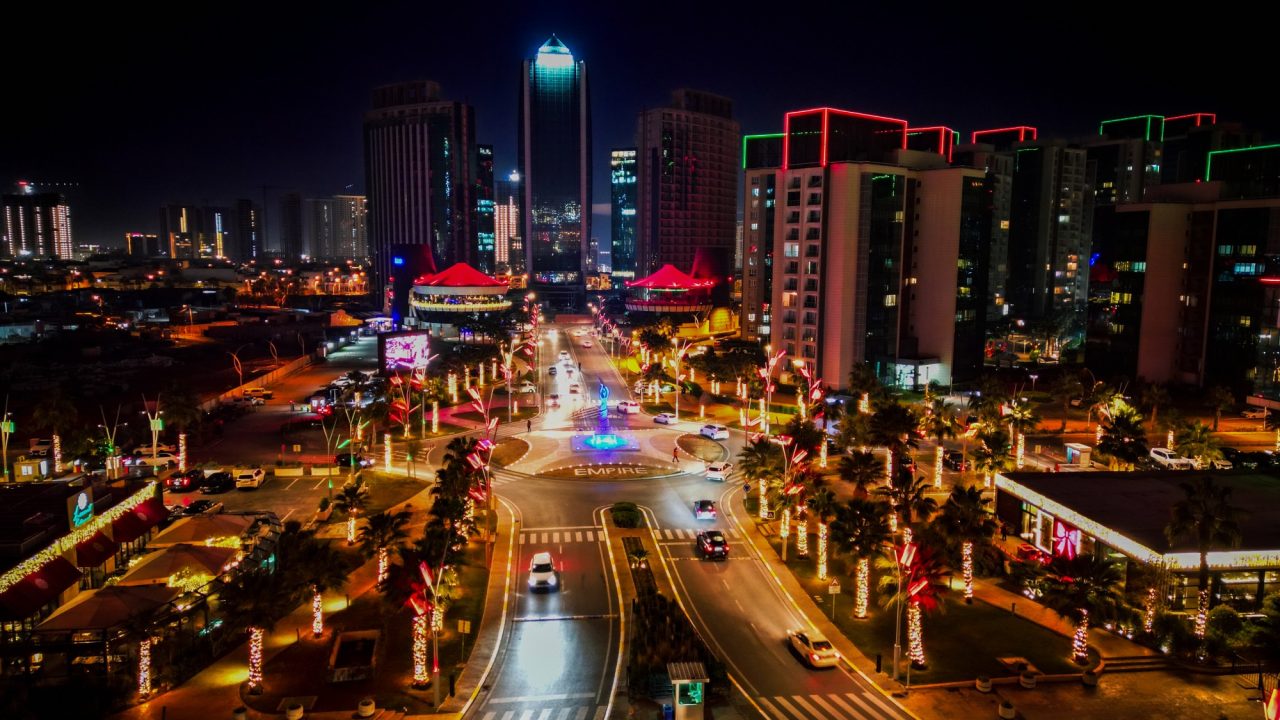
Erbil is the capital of Iraq’s Kurdistan Region, a semi-autonomous area that has long positioned itself as a different kind of Iraq. And in the wake of the most recent round of US-Iran tensions, the city is experiencing a resurgence that few outside the region anticipated. Tourists are returning. Markets are filling. The 6,000-year-old citadel at the city’s heart is alive with visitors again.
This is not a story about a destination finally getting discovered. It’s a story about a city refusing to stay buried.
The Airspace Reopening That Unlocked Erbil’s Economic Recovery
One of the least-discussed but most consequential factors in Erbil’s revival is pure logistics. When US-Iran tensions spiked, regional airspace closures effectively strangled inbound travel. Airlines rerouted or suspended service. Tour operators shelved itineraries. Hotels that had invested in expansion sat partly empty.
The reopening of that airspace was the trigger that flipped the switch. Direct flights resumed. Travelers who had deferred trips began rebooking. Business delegations, diaspora visitors, and a growing cohort of adventure-minded tourists started filtering back in.
The Kurdistan Regional Government (KRG) had been laying groundwork for this moment for years. Its strategic tourism vision had already created 20,000 jobs before the latest wave of visitors arrived. When conditions finally stabilized, that infrastructure was ready to absorb the demand.
The market districts near the citadel were among the first areas to show visible signs of life. Vendors who had scaled back during the tension period restocked. Restaurants extended their hours. The bazaars began drawing the kind of foot traffic that generates real economic momentum, not just symbolic recovery.
Erbil’s 6,000-Year-Old Citadel and What It Means for Cultural Tourism
No part of Erbil’s revival is more visually compelling than what’s happening at the Qalat, the ancient citadel mound that rises dramatically at the city’s center. It is one of the oldest continuously inhabited sites on Earth, a UNESCO World Heritage Site, and now a focal point for cultural tourism investment.
The citadel’s revival is not simply aesthetic. Restoration work on historic structures has created skilled trades employment. Cultural programming has given local artisans and storytellers a platform. The surrounding bazaar areas feed off the foot traffic, creating an economic ripple that extends well beyond the monument itself.
“Erbil has become a center of economic development and cultural revival. The city boasts a blend of ancient heritage and modern ambition that few cities in the broader Middle East can match.”
— Observers documenting Erbil’s transformation, 2025
The international recognition is arriving too. Condé Nast Traveler named Erbil one of the places to visit in Asia for 2026, a signal that the city is moving from regional curiosity to legitimate bucket-list destination. That kind of editorial endorsement carries enormous weight with the global travel audience that Erbil needs to attract.
What makes the citadel area particularly interesting from a tourism development standpoint is that it doesn’t require artificial attractions. The history is already there. The architecture tells the story. The challenge has always been access, safety perception, and storytelling, all three of which are improving simultaneously.
| Factor | Pre-Tension Period | Post-Tension Recovery |
|---|---|---|
| Airspace Status | Disrupted, partial closures | Reopened, flights resuming |
| Citadel Activity | Reduced visitor numbers | Revived foot traffic and programming |
| Market Districts | Scaled-back vendor activity | Restocked, extended hours |
| International Recognition | Limited global travel press | Condé Nast Traveler 2026 pick |
| Employment (Tourism Sector) | Growing but fragile | 20,000 jobs created, 80% local |
Resilience Under Pressure: Markets That Never Fully Closed
One of the most striking details about Erbil’s recovery is that, in many ways, the city never completely stopped. According to reports from Shafaq News, Erbil’s historic markets continued drawing crowds even during periods of repeated drone attacks and occasional rocket fire targeting the city.
Residents kept showing up. Vendors kept selling. The city’s social fabric, built partly around the communal spaces of the bazaar, proved more durable than outside observers expected. That resilience is now an asset in the recovery narrative.
This matters for tourism development because it tells potential visitors something important: the local population believes in this city. When residents themselves are out in the markets at night, eating at restaurants, and gathering near the citadel, it sends a signal that’s more persuasive than any marketing campaign.
The Kurdish and Iraqi culture of hospitality reinforces this. Safety perception for visitors is meaningfully different from the abstract geopolitical risk that dominates Western headlines. Many long-term residents and returning diaspora members describe Erbil as genuinely safe within the city itself, even as they acknowledge the volatility closer to the Iranian and Turkish borders.
What the KRG’s Strategic Tourism Vision Actually Looks Like
The Kurdistan Regional Government’s approach to tourism is not passive. The 20,000 jobs figure is the result of deliberate policy: infrastructure investment, hospitality training programs, cultural site restoration, and active courting of international media and tour operators.
The 80% local hire rate in tourism jobs is significant. It means the economic benefits are staying within the region rather than flowing to imported labor or foreign-owned chains. That’s a sustainability metric that development economists pay close attention to, and it suggests the KRG’s strategy is structurally sound, not just optics.
The citadel restoration specifically has drawn international heritage funding alongside KRG investment. UNESCO designation brings visibility, but it also brings obligations and partnerships that accelerate the quality of preservation work. For a site with 6,000 years of habitation, getting that work right is not a small thing.
What Comes Next for Erbil and Regional Travel Ambition
The forward picture for Erbil is genuinely interesting, though not without risk. The city is now in a race to convert a moment of favorable geopolitical calm into lasting tourism infrastructure before the next wave of regional instability arrives.
The Condé Nast recognition for 2026 creates a narrow window. Travel media attention is cyclical, and Erbil has roughly 12 to 18 months to cement its presence in the minds of global travelers before the editorial spotlight moves elsewhere. The KRG appears to understand this urgency.
Airlines are the critical variable. Sustained tourism growth requires reliable, affordable air connections. Each new route announcement carries more economic significance than almost any other single development. Erbil International Airport’s capacity and its route network will largely determine the ceiling of this recovery.
The diaspora market also deserves attention as a distinct travel segment. Millions of Kurds living in Europe, North America, and Australia maintain deep familial connections to the region. Roots tourism, for lack of a better term, is not a niche market here. It’s a structural demand that doesn’t disappear during geopolitical turbulence the way leisure tourism does.
There is also the question of what Erbil looks like to the next generation of regional travelers. Gulf tourists, Lebanese visitors, and Jordanian travelers have historically been significant sources of visitor spending across Iraq’s Kurdistan Region. As those source markets recover their own travel confidence, Erbil stands to benefit disproportionately because of its existing hospitality infrastructure.
The risks are real and shouldn’t be papered over. The FCDO’s current advisory against all travel to the Kurdistan Region reflects genuine ongoing uncertainty. Drone incidents have not stopped entirely. The borders with Iran and Turkey remain volatile. Any serious escalation could reverse the current gains quickly.
But that’s precisely what makes Erbil’s story worth watching. This is a city that has absorbed extraordinary external pressure and responded not with withdrawal, but with investment, restoration, and an active bid for a place on the world’s travel itinerary. Whether that bid fully succeeds depends on forces that no city government controls entirely.
What’s already certain is that the ancient citadel mound, rising above a city that has been continuously inhabited longer than most civilizations have existed, is not waiting for the world to decide whether it’s worth visiting. It has been making that case for six millennia. It’s not about to stop now.
You’ve been planning a cultural heritage trip to the Middle East. A travel agent offers you an itinerary that includes Erbil’s citadel and bazaars at a significantly lower price than alternatives in the region. Your government’s advisory warns against travel but doesn’t prohibit it.
Frequently Asked Questions

You Might Also Like
United Is Outpacing Emirates and Delta in Premium Cabin Innovation
United Airlines is making a bold statement in the sky — and the rest of…
Bergen Now Flies Direct to Gran Canaria as Norwegian Expands Its European Network
Gran Canaria is fast becoming one of the most connected island destinations in Europe —…
Okinawa’s Tourism Plans Are Still Waiting on a Promise Made 30 Years Ago
More than thirty years have passed since Japan and the United States reached a landmark…
Leave a Reply