
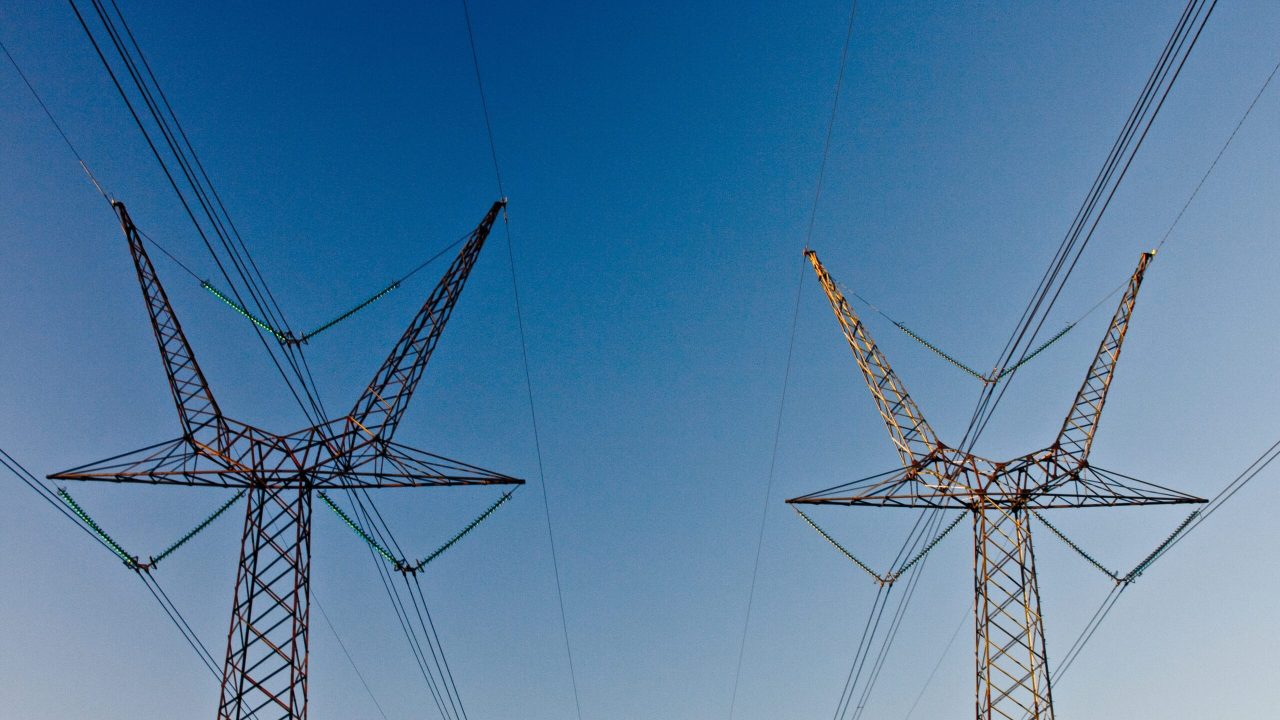
What if the biggest upgrade to your next European vacation had nothing to do with a new airline route or a flashy hotel opening — but with the electricity grid running beneath the continent’s feet?
The European Union has introduced what it calls the EU Grids Package, a framework designed to modernize and strengthen the electricity networks that connect member states. On the surface, it reads like an energy policy document. But for anyone planning to travel across Europe — by train, by plane, or through the growing network of electric vehicle charging points — the downstream effects could be genuinely significant.
Modern travel infrastructure runs on power. And when that power becomes more reliable, more efficiently shared across borders, and better aligned with green energy sources, the travel experience tends to improve along with it.
Why the EU Grids Package Matters Beyond the Energy Sector
The core goal of the EU Grids Package is to improve how electricity moves between European countries. Rather than each nation operating a largely self-contained grid, the framework pushes toward a more integrated, cross-border energy network. The logic is straightforward: energy that flows freely across borders is less likely to cause the kind of localized failures that ripple outward into transport systems.
For tourism, that connection matters more than most people realize. Airports depend on uninterrupted power to keep check-in systems, baggage handling, and air traffic control running. Rail networks — especially high-speed lines — require stable electricity supplies to maintain schedules. Even hotels, charging stations for electric vehicles, and digital ticketing systems all sit downstream of grid reliability.
Supporters of the initiative argue that a more resilient, interconnected grid reduces the risk of the kind of cascading disruptions that have, at various points, caused delays and cancellations across Europe’s busiest travel corridors.
The Countries and Corridors Most Likely to Benefit
According to the source reporting on this initiative, the countries expected to see the most direct tourism-related benefits include France, Germany, and Italy — three of Europe’s largest and most visited destinations. These are also countries that sit at the heart of major cross-border rail and road networks, making grid reliability particularly relevant to their travel infrastructure.
The broader ambition of the package is to ensure energy moves smoothly across borders throughout the EU, which would benefit the full network of tourism routes — not just the highest-traffic ones.
| Area of Tourism Impact | Connection to Grid Reliability | Countries Highlighted |
|---|---|---|
| Rail transport | High-speed trains require stable, continuous electricity supply | France, Germany, Italy |
| Air travel | Airports rely on uninterrupted power for operations | EU-wide |
| Electric vehicle travel | Cross-border EV charging depends on grid capacity | EU-wide |
| Digital travel services | Ticketing, check-in systems, and booking platforms need reliable power | EU-wide |
| Accommodation | Hotels and hospitality venues depend on consistent energy supply | EU-wide |
Greener Travel Is Part of the Deal
The EU Grids Package isn’t just about preventing outages. It’s also designed to support the transition to cleaner energy sources across the continent. As more of Europe’s electricity comes from renewables — wind, solar, hydroelectric — an integrated grid becomes essential for balancing supply and demand across regions with different energy profiles.
For travellers, this matters in a very practical way. The shift toward electric trains, electric buses, and EV rental cars as tourism options is already underway. But that shift only works if the grid can reliably deliver the power those vehicles need, including across national borders where travellers are most likely to be moving between charging points.
Officials have noted that the framework is intended to create the conditions for energy to move where it’s needed, when it’s needed — a principle that aligns directly with the demands of a continent-wide tourism economy that doesn’t respect national grid boundaries.
What This Means for Travellers Planning European Trips
The practical benefits won’t arrive overnight. Infrastructure upgrades of this scale take time to implement, and the full effects of the EU Grids Package will likely be felt gradually rather than all at once. But the direction of travel — so to speak — is clear.
- Fewer travel disruptions caused by energy supply failures on key routes
- More consistent rail and air services across major European corridors
- Better support for electric vehicle tourism, with more reliable cross-border charging infrastructure
- A greener overall travel footprint, as cleaner energy powers more of the transport network
- Smoother digital travel experiences, from booking through to arrival, as systems become less vulnerable to power instability
For frequent travellers to Europe, or anyone planning an extended trip across multiple countries, these aren’t abstract policy outcomes. They’re the difference between a journey that runs smoothly and one that doesn’t.
Where Things Go From Here
The EU Grids Package represents the beginning of a longer process. The framework has been introduced, but the work of actually upgrading interconnections, expanding grid capacity, and integrating renewable sources across member states will unfold over years. Specific timelines for individual infrastructure projects have not been detailed in the currently available reporting on this initiative.
What is clear is that the EU has framed this as a priority — not just for energy security, but as foundational infrastructure for the continent’s broader economic and social life, which includes one of the world’s largest tourism economies.
Travellers won’t be reading electricity policy documents on their next trip to Rome or Paris. But they may, quietly and without fanfare, find that their trains run on time more often, their charging stops are less stressful, and the small friction points of cross-border European travel have become a little smoother. That’s what good infrastructure does. It disappears into the background and lets the journey happen.
Frequently Asked Questions
What is the EU Grids Package?
It is a European Union framework designed to strengthen and modernize electricity networks across member states, improving how energy is shared between countries.
How does an electricity grid upgrade affect tourism?
Transport systems including trains, airports, and EV charging networks all depend on reliable electricity, so a more resilient grid reduces the risk of disruptions that affect travellers.
Which countries are expected to benefit most for tourism purposes?
France, Germany, and Italy are specifically highlighted as major tourism hubs that stand to benefit from improved cross-border energy infrastructure.
Will this make European travel greener?
The package is designed to support the integration of renewable energy sources into the grid, which would lower the carbon footprint of electricity-powered transport across the continent.
When will travellers start to notice the difference?
Specific implementation timelines have not been confirmed in available reporting; the effects are expected to be gradual as infrastructure upgrades are completed over time.
Does this affect electric vehicle travel across Europe?
Yes — a more integrated and reliable grid would directly support cross-border EV charging infrastructure, which is increasingly relevant for tourists driving electric vehicles across multiple countries.



Leave a Reply