
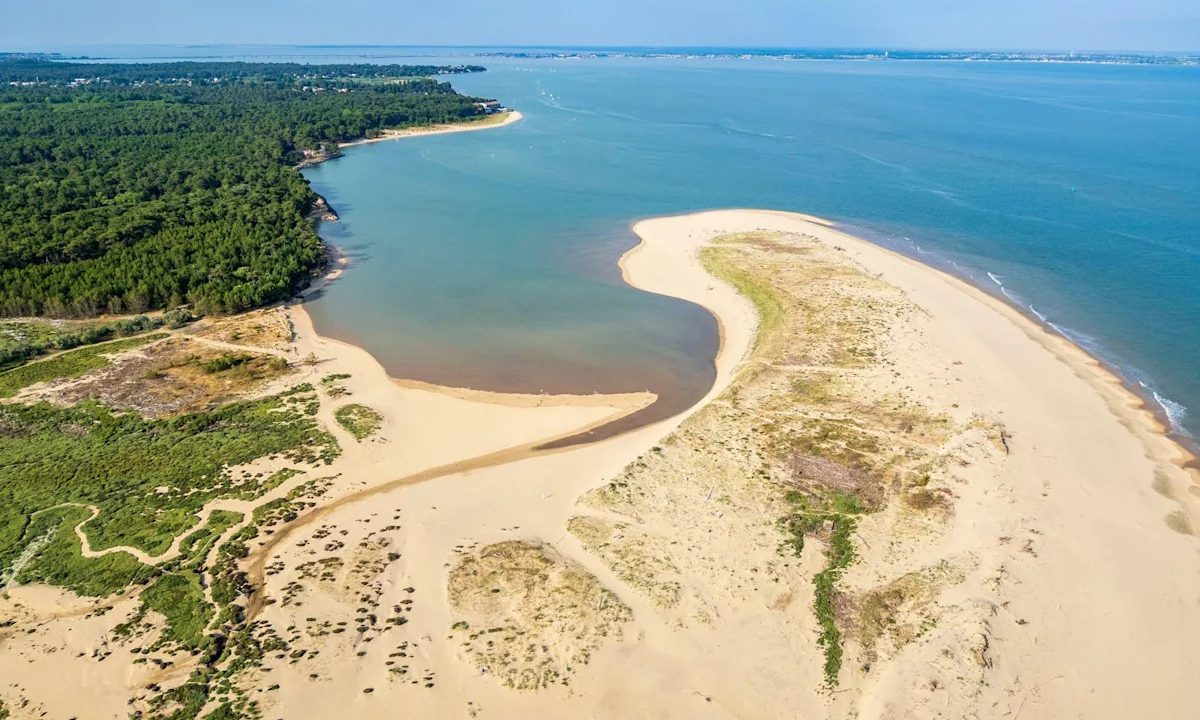
Searches for adventure tourism across Europe have surged by as much as 75% in recent years, with travellers from Germany, France, Italy, and the UK increasingly trading sunbeds and cocktails for mountain trails, sailing routes, and white-water rapids. The classic beach holiday isn’t disappearing — but it’s facing serious competition from a generation of travellers who want more from their time off.
The shift is real and measurable. Activities like trekking, mountaineering, sailing, and white-water rafting are drawing record levels of interest, reshaping how tour operators, destinations, and airlines think about the European travel market. What’s driving it, and what does it mean for the average traveller planning their next trip?
The short answer: the post-pandemic era fundamentally changed what people want from a holiday. After years of disruption, many travellers are no longer satisfied with passive relaxation. They want experiences that feel earned — physical, cultural, meaningful.
Why Europe’s Biggest Travel Markets Are Turning Away from the Beach
Germany, France, Italy, and the UK represent four of Europe’s largest outbound travel markets, and all four are showing the same trend: a growing appetite for active holidays that blend physical challenge with cultural discovery. This isn’t a niche phenomenon anymore — it’s becoming a mainstream expectation.
The post-pandemic era accelerated this shift dramatically. Lockdowns, restricted movement, and months spent indoors created a pent-up demand not just for travel, but for a specific kind of travel — one that feels alive. Sitting still on a beach, for many people, no longer cuts it.
There’s also a broader cultural element at play. Travellers are increasingly drawn to experiences that offer genuine immersion in a place — its landscapes, its people, its traditions — rather than a curated resort bubble. Adventure tourism, almost by definition, delivers that. You can’t trek through a mountain range or navigate a river without engaging with the environment around you.
What the Numbers Actually Tell Us
The data behind this trend is striking. Adventure activities have seen interest levels rise sharply, with a 75% surge recorded for certain activities — a number that reflects a genuine behavioural shift, not just a seasonal blip.
The destinations benefiting most are those that can offer a combination of outdoor challenge and cultural richness. Mountain trekking regions, coastal sailing routes, and river rafting destinations are all seeing increased demand from European travellers who want their holidays to tell a story worth bringing home.
| Activity Type | Trend | Key Markets Driving Demand |
|---|---|---|
| Mountain Trekking | Significant increase in searches | Germany, France, Italy, UK |
| Sailing | Significant increase in searches | Germany, France, Italy, UK |
| White-Water Rafting | Significant increase in searches | Germany, France, Italy, UK |
| Mountaineering | Significant increase in searches | Germany, France, Italy, UK |
| Adventure Tourism (overall) | Up to 75% surge in interest | Germany, France, Italy, UK |
Cultural Immersion Is Now Part of the Package
What makes this trend particularly interesting is that it isn’t purely about adrenaline. The travellers leading this shift aren’t just seeking physical challenge — they’re seeking depth. Cultural immersion has become an essential part of what people mean when they say they want an “active holiday.”
That means trekking routes that pass through historic villages, sailing itineraries that include local market stops, and adventure programmes built around regional food, language, and tradition. The experience economy, long predicted by travel analysts, is arriving in full force — and it’s arriving through the lens of adventure.
This also explains why beach destinations aren’t simply losing visitors to mountain resorts. Many coastal destinations are adapting, adding kayaking, snorkelling, coastal hiking, and cultural tours to their offerings to retain travellers who would otherwise look elsewhere. The beach is still there — it just can’t be the only thing on offer anymore.
- Passive relaxation on sandy shores, historically the dominant choice for European travellers.
- Resort-based experiences with limited engagement with local culture or landscape.
- Sunbathing and cocktails by the sea as the primary draw for millions of annual visitors.
- Trekking, mountaineering, sailing, and white-water rafting driving a 75% surge in searches.
- Deep cultural immersion combined with outdoor physical activity across European markets.
- Travellers from Germany, France, Italy, and the UK leading demand for experience-rich adventures.
What This Means for Anyone Planning a Holiday Soon
If you’re planning a trip and still defaulting to a beach resort out of habit, it’s worth asking whether that’s actually what you want — or simply what’s familiar. The options available to active travellers have expanded significantly, and prices and availability are shifting to reflect that demand.
Tour operators across Europe are already responding. Packages that combine outdoor adventure with cultural programming are becoming easier to find and more competitively priced as supply catches up with demand. For travellers willing to step outside the all-inclusive model, the choices have never been broader.
It’s also worth considering the practical side: active holidays often require more planning than a beach break. Gear, fitness levels, route logistics, and seasonal timing all matter in ways they simply don’t when you’re booking a sun lounger. Starting that research early — and being honest about what level of challenge you’re actually looking for — will make the difference between a transformative trip and a frustrating one.
Where the Adventure Tourism Trend Goes from Here
The momentum behind active and adventure travel shows no sign of slowing. With four of Europe’s largest travel markets all moving in the same direction simultaneously, the industry is responding at scale — which means more investment in adventure infrastructure, more tailored itineraries, and more destinations positioning themselves as active travel hubs.
Beach destinations that adapt quickly — layering adventure and cultural programming onto their existing offerings — are likely to thrive. Those that rely solely on sun, sand, and sea may find themselves competing for a shrinking share of the market as traveller expectations continue to rise.
For travellers, the direction is clear: the era of the purely passive holiday is fading, and the era of the purposeful, active, experience-driven trip is firmly underway.
Frequently Asked Questions
Which countries are leading the shift toward active holidays?
Germany, France, Italy, and the UK are identified as the primary markets driving increased demand for adventure and active travel across Europe.
How much has interest in adventure tourism grown?
Searches for certain adventure activities have seen a surge of up to 75%, reflecting a significant and sustained shift in traveller preferences.
What types of activities are seeing the most growth?
Mountain trekking, mountaineering, sailing, and white-water rafting are among the activities recording the strongest increases in interest from European travellers.
Is the beach holiday disappearing entirely?
Not entirely — but beach destinations are under pressure to add active and cultural experiences to their offerings to remain competitive with adventure-focused alternatives.
What is driving this change in travel behaviour?
The post-pandemic era is widely cited as a key factor, with travellers seeking more meaningful, physically engaging experiences after years of restricted movement and limited activity.
Does cultural immersion play a role in this trend?
Yes — travellers are not only seeking physical challenge but also deeper engagement with local culture, landscapes, and traditions as part of their active holiday experience.



Leave a Reply