
Europe’s tourism industry is riding a powerful wave as US Spring Break travel kicks off, with France joining the United Kingdom, Germany, Italy, the Netherlands, Sweden, and several other European countries reporting meaningful gains in visitor numbers this year. The timing could not be better — American travelers are booking flights and hotels across the continent in strong numbers, injecting fresh momentum into an industry that has spent years rebuilding after the disruptions of the early 2020s.
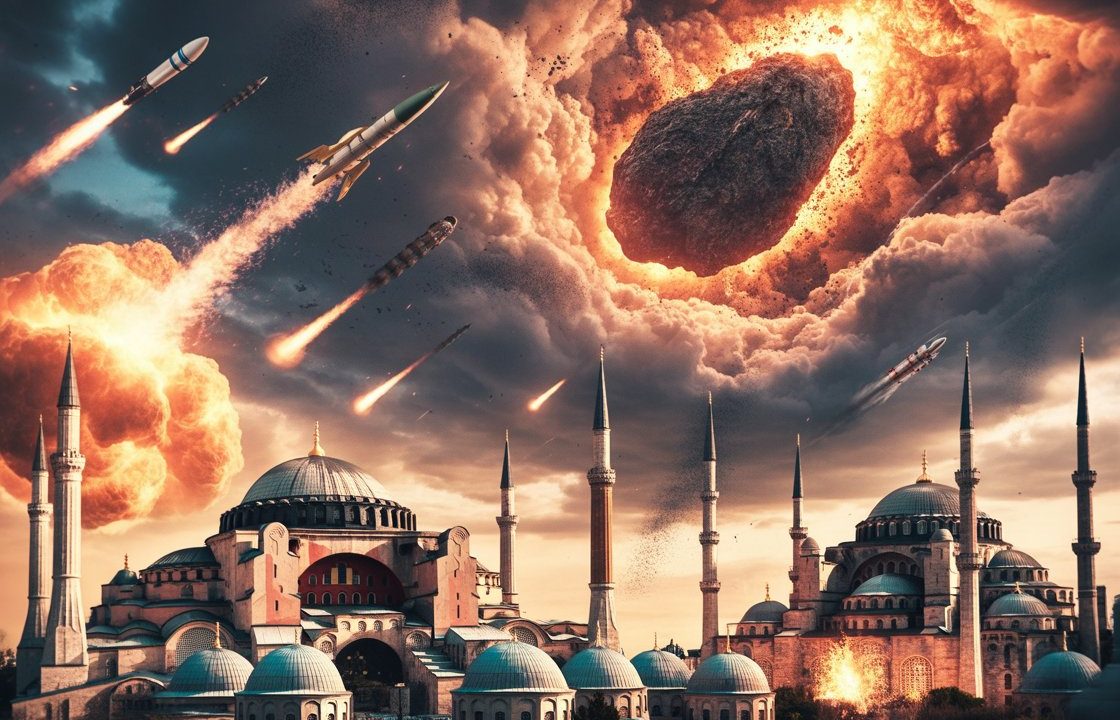
But a shadow is falling over what should be an unambiguously positive story. Iran’s publicly stated threats to target tourist locations have sent a chill through the global travel industry, raising urgent questions about security, traveler confidence, and how quickly a thriving tourism season can turn.
The contrast right now is stark: on one side, European capitals are welcoming record visitor flows from the United States. On the other, a geopolitical threat is hanging over the industry at exactly the moment it needs stability most.
Europe’s Tourism Boom Is Real — and Broad
What makes this moment notable is the breadth of the recovery. This is not a story about one or two countries doing well. France, the United Kingdom, Germany, Italy, the Netherlands, and Sweden are all among the nations seeing tourism gains as Spring Break travel from the US gets underway in 2026.
Spring Break represents one of the most concentrated bursts of outbound American travel in the calendar year. Millions of US travelers — students, families, and professionals taking advantage of school schedules — book international trips during this window, and Europe has consistently ranked among the top destinations for that spending.
The fact that so many European countries are sharing in these gains suggests the recovery is structural, not just a spike in one popular city or region. Travelers appear to be spreading across the continent, which is good news for tourism-dependent economies from Paris to Amsterdam to Stockholm.
Which Countries Are Seeing the Gains
Based on the available reporting, the following European countries are among those identified as benefiting from increased tourism this year as US Spring Break travel begins:
- France — joining the broader European tourism upswing
- United Kingdom
- Germany
- Italy
- Netherlands
- Sweden
- Additional European countries also reported to be reaping gains
| Country | Tourism Status (Spring 2026) | Key Driver |
|---|---|---|
| France | Gains reported | US Spring Break travel |
| United Kingdom | Gains reported | US Spring Break travel |
| Germany | Gains reported | US Spring Break travel |
| Italy | Gains reported | US Spring Break travel |
| Netherlands | Gains reported | US Spring Break travel |
| Sweden | Gains reported | US Spring Break travel |
Iran’s Threat to Tourist Locations — Why the Industry Is Worried
Here is where the story takes a serious turn. Iran has made threats described as “bone-chilling” directed at tourist locations, and those threats are not being dismissed lightly by the travel industry.
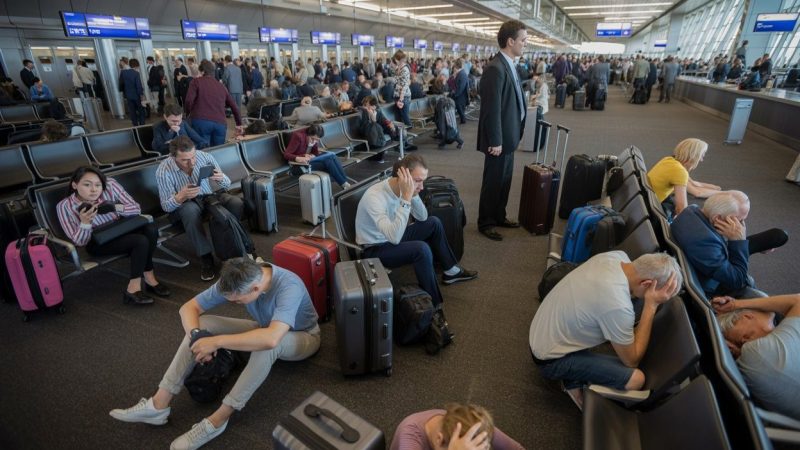
Threats targeting tourist sites carry a particular kind of weight. Tourism depends almost entirely on confidence. A traveler who feels uncertain about safety does not need much convincing to cancel a trip, change a destination, or simply stay home. The economic ripple effects of that kind of hesitation are fast and painful for hotels, airlines, tour operators, restaurants, and every other business that depends on visitor spending.
Observers note that even threats that do not materialize into actual incidents can cause measurable damage to booking patterns. The concern is not only about physical danger — it is about the psychological effect on millions of travelers currently in the process of planning and booking their next trip.
Europe’s tourism industry, having worked hard to rebuild visitor numbers, now faces the prospect of that momentum being disrupted by a security climate it cannot fully control.
What This Means for Travelers Planning a Trip
If you are currently planning a European trip — whether for Spring Break or later in the year — there are a few realities worth keeping in mind.
- Tourism gains across Europe are genuine and broad, meaning the destination experience is strong right now across multiple countries.
- Security situations can evolve quickly, and travelers should monitor official government travel advisories from their home country before and during any trip.
- The threat environment, while serious, has not at this stage been reported to have disrupted actual travel flows — but that can change.
- Travel insurance that covers cancellation due to security events is worth considering when booking international travel during periods of elevated geopolitical tension.
The practical advice from travel professionals has long been consistent: stay informed, book flexibly where possible, and do not let unfounded fear override sound planning — but do not ignore credible warnings either.
What Happens Next for European Tourism
The coming weeks will be telling. Spring Break travel is already underway as of late March 2026, meaning the immediate demand picture for European destinations is positive. The question is whether the geopolitical threat environment — and Iran’s stated intentions toward tourist locations in particular — will begin to register in booking cancellations or shifts in destination preference.
Tourism industry stakeholders across France, the UK, Germany, Italy, the Netherlands, Sweden, and beyond will be watching closely. A sustained threat narrative, especially one that receives significant media attention, has historically been enough to move the needle on traveler behavior even before any incident occurs.
For now, Europe is enjoying its tourism moment. Whether that moment holds through the rest of the spring and into the summer season may depend as much on the security headlines as on the quality of the destinations themselves.
Frequently Asked Questions
Which European countries are seeing tourism gains as US Spring Break travel begins?
France, the United Kingdom, Germany, Italy, the Netherlands, and Sweden are among the European countries reported to be reaping tourism gains as US Spring Break travel gets underway in 2026.
What is Iran’s threat to tourist locations?
Iran has made threats described as targeting tourist locations, which observers have characterized as a serious concern for the global travel industry. Specific details beyond the nature of the threat have not been confirmed in the available source material.
Could Iran’s threats actually affect tourism to Europe?
Even threats that do not result in actual incidents can affect traveler confidence and booking patterns, meaning the tourism industry takes such warnings seriously regardless of whether an attack occurs.
Is it still safe to travel to Europe right now?
Why does Spring Break matter so much for European tourism?
Spring Break represents one of the largest concentrated windows of outbound US travel each year, making it a significant driver of visitor spending for European destinations.
Has the Iran threat caused any cancellations yet?
This has not been confirmed in the available source material. Reports indicate tourism gains are continuing as Spring Break begins, but the longer-term impact of the threat remains to be seen.



Leave a Reply