
One of the world’s most critical maritime chokepoints has effectively shut down — and the consequences are already rippling from airline departure boards to household energy bills across the globe.
Escalating tensions in the Middle East took a sharp turn when the United States launched a strike on Iran’s Kharg Island oil hub. In response, Tehran moved to restrict passage through the Strait of Hormuz, the narrow waterway through which a significant portion of the world’s oil and liquefied natural gas travels every single day. The result: shipping traffic through the strait has been slashed to near zero, and the shockwaves are being felt far beyond the Persian Gulf.
For travelers, energy consumers, and economies that depend on open sea lanes, this crisis is no longer a distant geopolitical headline. It’s a practical emergency that is reshaping how people fly, where ships sail, and what they pay to get there.
How the Strait of Hormuz Shutdown Triggered a Global Crisis
The Strait of Hormuz has long been described as the jugular vein of global energy supply. When Tehran moved to choke that passage following the U.S. strike on Kharg Island — one of Iran’s primary oil export terminals — the effect on international shipping was immediate. Vessels that would ordinarily transit the strait began diverting, delaying, or halting operations entirely.
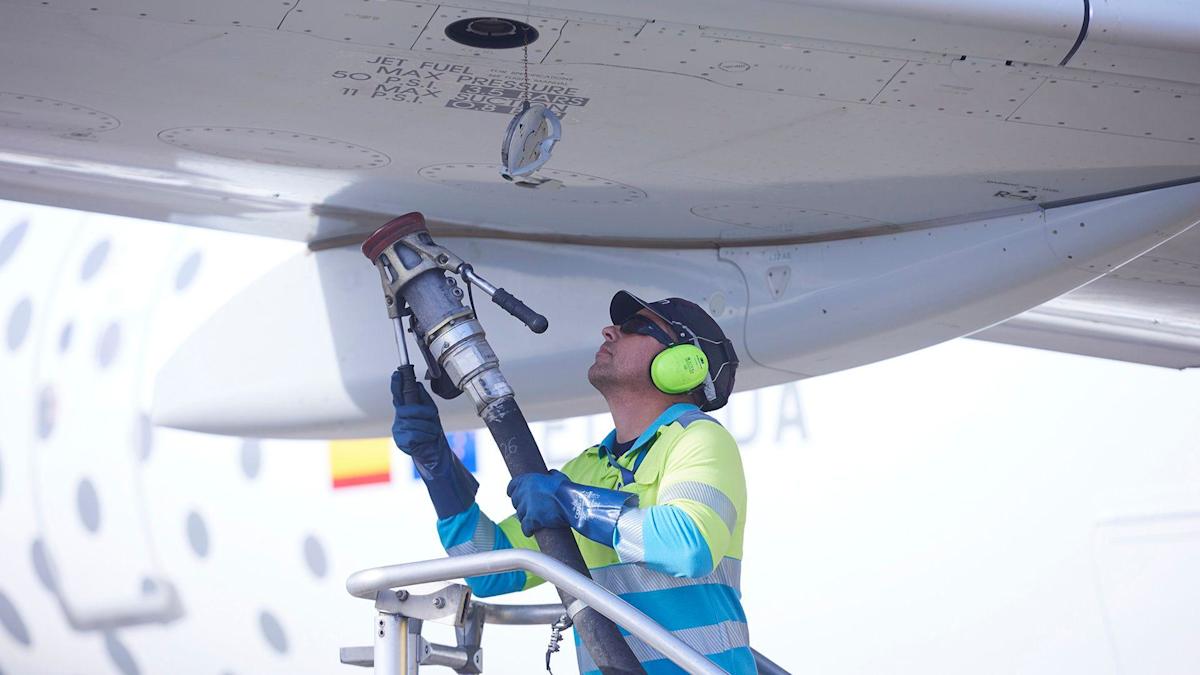
The disruption didn’t stay contained to tankers and cargo ships. Aviation fuel costs, which are closely tied to global oil markets, began climbing. Airlines operating routes over or near the affected region faced decisions about rerouting flights, adding hours to journey times and significant costs to operations. Cruise lines with itineraries touching the Gulf region found themselves in crisis-management mode.
Tourism-dependent economies in the broader region felt the uncertainty almost instantly. When geopolitical instability of this scale erupts, traveler confidence tends to collapse faster than any official advisory can track.
Europe’s Coordinated Response to the Hormuz Crisis
Across Europe, governments moved quickly to form a coordinated response. The United Kingdom took a leading role in uniting key allies and partners, bringing together nations including France, Germany, Italy, the Netherlands, and Spain. Alongside those individual countries, both the European Union and the International Energy Agency were drawn into the crisis response framework.
The speed of that coordination reflects just how seriously European governments are treating the disruption. Europe relies heavily on energy imports that transit through Gulf shipping lanes, and any prolonged closure of the Strait of Hormuz puts energy security, economic stability, and supply chains under serious strain simultaneously.
| Country / Institution | Role in Crisis Response |
|---|---|
| United Kingdom | Leading coordination among European allies |
| France | Part of coordinated European response |
| Germany | Part of coordinated European response |
| Italy | Part of coordinated European response |
| Netherlands | Part of coordinated European response |
| Spain | Part of coordinated European response |
| European Union | Institutional crisis response involvement |
| International Energy Agency | Energy market stabilization role |
What This Means for Travelers Right Now
The travel and tourism sector is absorbing the impact across multiple fronts at once. The key effects confirmed so far include:
- Flight rerouting: Airlines operating in or near the affected region are being forced to alter routes, adding time and fuel costs to journeys.
- Rising fuel costs: Oil market disruption feeds directly into aviation fuel prices, which ultimately affects ticket prices for passengers worldwide.
- Cruise disruptions: Cruise lines with itineraries in the Gulf region are facing significant operational uncertainty.
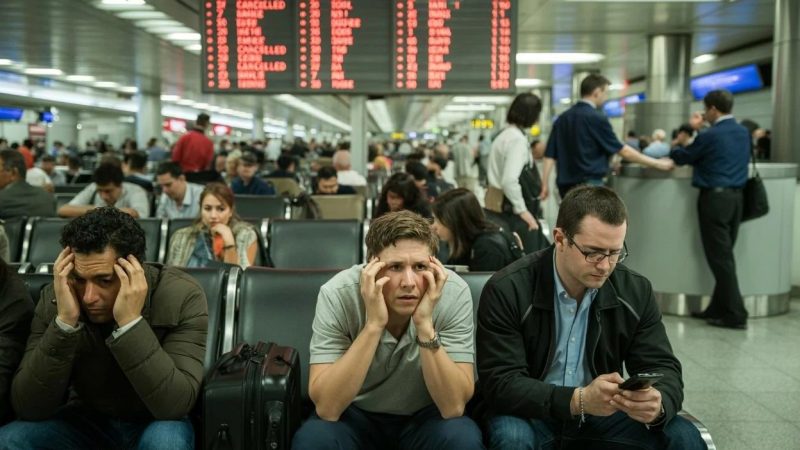
- Traveler panic: Uncertainty about regional stability is triggering widespread concern among people with upcoming travel plans to or through affected areas.
- Tourism economy strain: Countries whose economies depend heavily on tourism are facing a sudden drop in traveler confidence that could outlast the immediate crisis.
What makes this crisis particularly difficult for travelers is the speed at which conditions can change. An itinerary that looked perfectly safe last week may look very different today — and airlines, cruise operators, and tour companies are updating their policies in real time.
Observers note that when maritime routes are disrupted at this scale, the consequences for energy prices don’t stay isolated to the shipping industry. They filter through to fuel surcharges, airline ticket prices, and the broader cost of travel almost immediately.
Energy Markets in Chaos — and Why Your Travel Budget Feels It
The energy market chaos triggered by the Hormuz shutdown is not just an abstract financial story. When oil prices spike due to supply route disruption, the effects travel quickly through the entire cost structure of global tourism.
Airlines face higher operating costs almost overnight. Those costs tend to be passed on through fuel surcharges and fare increases. Hotels that rely on energy-intensive operations, transport networks, and logistics chains that move everything from luggage to food supplies — all of it becomes more expensive when energy markets are in turmoil.
The involvement of the International Energy Agency in the European response signals that governments are taking the potential for sustained energy market disruption seriously — not treating this as a short-term blip that will resolve itself within days.
What Happens Next Depends on Diplomacy and the Strait
The immediate trajectory of this crisis hinges on whether the Strait of Hormuz reopens to normal traffic and how quickly diplomatic efforts can reduce tensions between the involved parties. Until shipping returns to something approaching normal levels, every sector connected to global trade and travel remains in a state of uncertainty.
European governments are engaged, international institutions are mobilized, and the travel industry is watching closely. For anyone with travel plans that touch the Middle East, the Gulf region, or even long-haul routes that depend on stable fuel costs, this is a situation worth monitoring daily rather than weekly.
The broader lesson this crisis is reinforcing is one the travel industry has learned before: geopolitical instability doesn’t respect booking calendars. When a major chokepoint closes, the disruption doesn’t stay neatly contained — it spreads outward until someone reopens the door.
Frequently Asked Questions
What triggered the Strait of Hormuz shutdown?
The disruption followed a U.S. strike on Iran’s Kharg Island oil hub, after which Tehran moved to restrict passage through the Strait of Hormuz, cutting shipping traffic to near zero.
Which European countries are involved in the crisis response?
The United Kingdom, France, Germany, Italy, the Netherlands, and Spain are part of the coordinated European response, alongside the European Union and the International Energy Agency.
How does the Hormuz shutdown affect travelers?
The crisis has triggered flight rerouting, rising fuel costs, cruise disruptions, and widespread traveler uncertainty, particularly for those with plans in or near the affected region.
Will airline ticket prices go up because of this?
Oil market disruption typically feeds into aviation fuel costs, which can lead to higher fares and fuel surcharges, though the full extent has not yet been confirmed in the available reporting.
Is it safe to travel to the Middle East right now?
How long could the Strait of Hormuz remain disrupted?
The timeline has not been confirmed. The situation depends on diplomatic developments and the actions of the parties involved, and European governments are treating it as a potentially sustained disruption.


Leave a Reply