
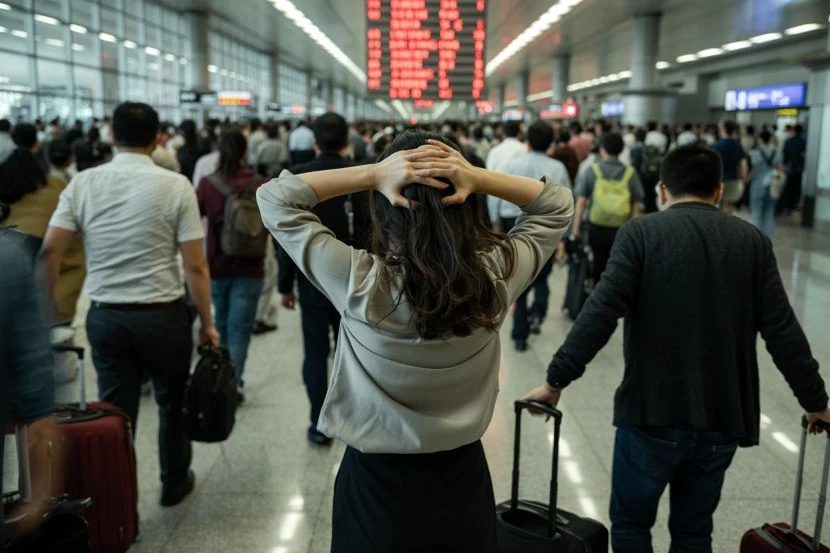
More than 37 flights canceled and 18 more delayed at a single airport in a single wave — that’s the scale of disruption FlyDubai passengers across the Middle East are now facing. Travelers in Dubai, Abu Dhabi, Bahrain, and Kuwait have been left stranded, scrambling for alternatives, or simply waiting with no clear answers.
The cancellations, which number at least 20 confirmed FlyDubai flights according to the airline, have rippled far beyond any one terminal. Routes connecting Europe, Asia, and the wider Middle East have all been affected, turning what should have been routine journeys into prolonged ordeals.
For anyone with upcoming travel through Dubai International Airport or the other affected hubs, here is what is confirmed so far — and what you need to know before you head to the gate.
What Is Happening With FlyDubai Right Now
FlyDubai, one of the region’s most prominent low-cost carriers, has confirmed the cancellation of multiple flights affecting several major airports simultaneously. The disruption is concentrated at Dubai International Airport, where the latest data shows 37 flights canceled and 18 flights delayed at that hub alone.
The airline has acknowledged that routes to and from Dubai were hit the hardest. The affected destinations span three continents — Europe, Asia, and locations across the Middle East — meaning this isn’t a localized problem confined to short-haul regional hops. Long-haul connections and international transfers have been caught in the same net.
Beyond Dubai, disruption has spread to Abu Dhabi, Bahrain, and Kuwait, all of which serve as significant transit and origin points for travelers moving through the Gulf region. Passengers at each of these airports have reported being stranded, with many also facing knock-on effects on connecting international flights.
The Scale of the FlyDubai Flight Cancellations by the Numbers
| Location | Status | Confirmed Impact |
|---|---|---|
| Dubai International Airport | Severely affected | 37 cancellations, 18 delays |
| Abu Dhabi | Affected | Disruptions confirmed |
| Bahrain | Affected | Disruptions confirmed |
| Kuwait | Affected | Disruptions confirmed |
The regions affected by canceled routes include:
- Europe
- Asia
- Destinations across the Middle East
The breadth of affected destinations makes this more than a single-route failure. For passengers relying on FlyDubai as part of a longer itinerary — particularly those connecting through Dubai International to onward flights — the downstream consequences can be severe.
Who Is Being Affected and How Badly
The passengers caught in this disruption fall into several overlapping categories, and each faces a different kind of problem.
Local travelers departing from Dubai, Abu Dhabi, Bahrain, or Kuwait are dealing with immediate cancellations — missed work trips, holidays cut short before they began, and the exhausting process of rebooking on an airline that is already operating under significant strain.
International connecting passengers face a compounded problem. A canceled FlyDubai leg doesn’t just mean a delayed arrival — it can mean missing an entirely separate onward flight booked through a different carrier, potentially triggering a chain of rebooking costs and accommodation expenses that airlines are not always obligated to cover under low-cost fare conditions.
The disruption also hits travelers heading to and from destinations across Europe and Asia, meaning the geographic reach of the fallout extends well beyond the Gulf. Someone flying from a European city into Dubai and then connecting regionally is just as exposed as someone departing from Kuwait City.
Officials have noted that the scale of simultaneous cancellations across multiple hubs is placing significant pressure on airport customer service teams, rebooking systems, and accommodation arrangements for stranded passengers.
Why Middle East Aviation Disruptions Hit Harder Than Most
The Middle East sits at the center of some of the world’s busiest air corridors. Dubai International Airport, in particular, regularly ranks among the highest-traffic international airports on the planet. When a carrier the size of FlyDubai experiences a disruption of this magnitude, the effects don’t stay contained.
FlyDubai operates as a key feeder airline across the region, connecting smaller Gulf cities and international destinations to the major hub at Dubai. That role means its cancellations create gaps that larger carriers don’t always fill quickly — especially on regional routes where FlyDubai may be one of very few operators.
For budget travelers in particular, the options for rebooking onto alternative flights at comparable prices are often limited. The low-cost model that makes FlyDubai attractive under normal circumstances can become a liability when disruptions occur and passengers need flexibility fast.
What Affected Passengers Should Do Now
If you are holding a FlyDubai ticket on any route through Dubai, Abu Dhabi, Bahrain, or Kuwait, the immediate priority is to check your flight status directly through the airline’s official channels before traveling to the airport.
Passengers whose flights have been canceled are generally entitled to a rebooking or a refund under standard aviation consumer protections, though the specific entitlements will depend on the fare type purchased and the regulations applicable in the departure country.
A few practical steps worth taking right now:
- Check your flight status on the FlyDubai website or app before leaving for the airport
- Contact the airline directly if your flight appears canceled — rebooking queues will grow quickly
- If you have travel insurance, review your policy for coverage on cancellation and accommodation costs
- If you are a connecting passenger on a separate ticket, contact your onward carrier immediately to flag the risk of a missed connection
- Keep all documentation — booking confirmations, cancellation notices, and any expenses incurred — in case you need to make a claim
The situation across affected airports remains fluid. Travelers with non-urgent plans are advised to monitor updates closely before committing to travel.
Frequently Asked Questions
How many FlyDubai flights have been canceled?
According to the latest confirmed data, FlyDubai has canceled at least 20 flights, while the total disruption at Dubai International Airport includes 37 cancellations and 18 delays across all carriers.
Which airports are affected by the FlyDubai disruptions?
The confirmed affected airports include Dubai International Airport, Abu Dhabi, Bahrain, and Kuwait, with Dubai experiencing the most severe disruption.
Which destinations have had routes canceled?
Affected routes include destinations across Europe, Asia, and the Middle East, though a full route-by-route breakdown has not been confirmed in the available reporting.
What caused the FlyDubai flight cancellations?
The specific cause of the cancellations has not yet been confirmed in the available source material at the time of publication.
Are passengers entitled to refunds or rebooking?
Passengers on canceled flights are generally entitled to rebooking or a refund under standard aviation consumer protections, though the exact entitlements depend on fare type and the regulations of the departure country.
Will the disruption continue beyond the current wave of cancellations?
This has not yet been confirmed. Passengers with upcoming FlyDubai travel are advised to monitor the airline’s official channels for the latest updates.



Leave a Reply