
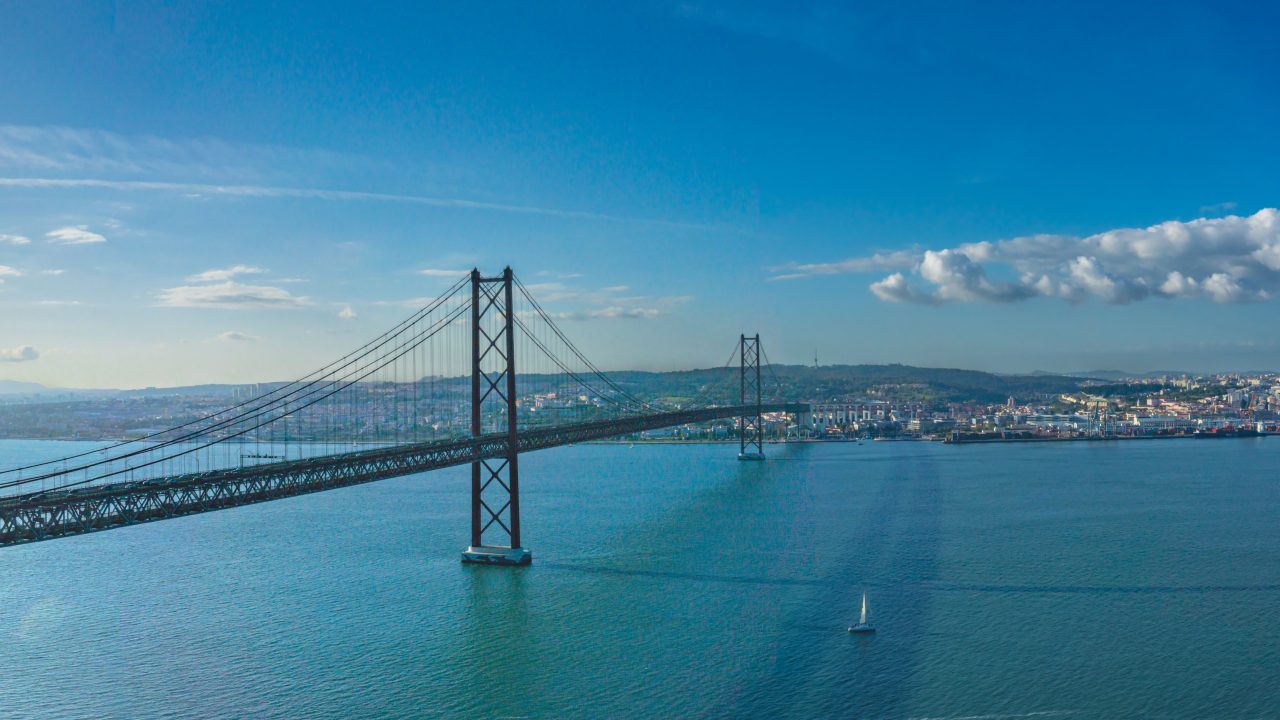
More than 300 days of sunshine per year. A cost of living that consistently undercuts most of Western Europe. A reputation for safety and stability that few countries on the continent can match. Portugal in 2026 is not quietly succeeding — it’s making a very loud case for being the most liveable country in Europe, and people are listening.
Expats, remote workers, and families relocating from higher-cost European cities are increasingly choosing Portugal not as a temporary escape but as a permanent home. The country has built a reputation around something simple but rare: a lifestyle that actually prioritizes balance over ambition, community over competition, and affordability over prestige.
What’s driving this shift — and why does it matter to anyone considering a move, a slower pace, or simply a better quality of life?
Why Portugal Has Become Europe’s Most Sought-After Place to Live
Portugal’s rise hasn’t happened overnight. For years, it sat in the shadow of Spain, France, and Italy as a travel destination — charming but overlooked. But as the cost of living in major European capitals climbed sharply and remote work opened the door to geographic freedom, Portugal’s combination of affordability and liveability moved from pleasant bonus to serious draw.
The factors at play here aren’t complicated, but they work together in a way that’s genuinely hard to replicate elsewhere. Warm weather reduces the psychological and financial toll of long winters. Lower housing costs mean more disposable income and less financial stress. A strong community culture means new arrivals don’t feel like outsiders for long.
And safety matters more than people admit when choosing where to live. Portugal’s consistent standing as one of Europe’s safest countries gives residents — especially those moving alone or with families — a sense of ease that’s difficult to put a price on.
The Four Pillars Behind Portugal’s Appeal in 2026
Portugal’s liveability advantage rests on four distinct strengths that, when combined, create something greater than the sum of their parts.
- Climate: Over 300 days of sunshine annually makes Portugal one of the sunniest countries in Europe, with mild winters and long, warm summers — particularly in the Algarve and Lisbon regions.
- Affordability: The cost of living remains meaningfully lower than in comparable Western European nations, with housing, food, and daily expenses all offering better value for money.
- Safety: Portugal has a well-established reputation for stability and low crime, making it an attractive destination for individuals and families seeking security.
- Work-life balance: The Portuguese approach to daily life — relaxed pace, long lunches, strong family and social ties — reflects a cultural philosophy that many transplants find transformative.
| Factor | Portugal’s Standing | Compared to Western Europe |
|---|---|---|
| Annual sunshine days | 300+ days per year | Among the highest in Europe |
| Cost of living | Significantly lower | Below most Western European countries |
| Safety reputation | High — consistent and stable | Ranked among Europe’s safest nations |
| Work-life balance culture | Relaxed, community-oriented | Contrasts with high-pressure city norms |
| Housing affordability | Relatively affordable options available | More accessible than UK, France, Germany |
What This Means for People Actually Making the Move
The practical impact of Portugal’s rise as a liveable destination is being felt across a wide range of people. Retirees from Northern Europe and beyond are stretching pension income further than they could back home. Remote workers are trading expensive city apartments for spacious Portuguese homes at a fraction of the cost. Families are finding that a slower, safer environment changes not just their finances but their daily quality of life in measurable ways.
Affordable housing remains one of the most cited reasons people choose Portugal over other European destinations. While property prices in Lisbon have risen in recent years as demand has grown, the country still offers options — particularly outside the capital — that would be unthinkable at equivalent price points in London, Paris, or Amsterdam.
The strong community culture that Portugal is known for also plays a meaningful role in how newcomers settle in. Advocates of the Portuguese lifestyle argue that the sense of belonging people find there is not something easily manufactured — it comes from a deeply rooted cultural emphasis on hospitality, shared meals, and neighborhood life.
For those who have spent years grinding through the demands of high-cost, high-pressure urban environments, Portugal offers something that’s become genuinely rare: a place where the pace of life is set by people, not productivity metrics.
- High cost of living with housing expenses consuming a large share of monthly income
- Colder, greyer climates with significantly fewer annual sunshine days
- Higher stress environments driven by fast-paced, competitive urban culture
- Affordable cost of living with housing options remaining accessible compared to Western European norms
- Over 300 days of sunshine per year creating a consistently warm and pleasant environment
- Relaxed, community-oriented culture that prioritizes balance, family life, and social connection
What the Future Looks Like for Portugal’s Growing Expat Community
Portugal’s trajectory in 2026 suggests the country is not a passing trend. The combination of factors drawing people there — climate, safety, affordability, and a genuinely different approach to daily life — are structural, not temporary. They don’t disappear with a change of government or a shift in global markets.
What will bear watching is how Portugal manages the pressures that come with its own success. Increased demand from international arrivals has already pushed property prices upward in key areas, and sustaining affordability as the country’s profile rises will be one of the central challenges ahead.
For now, though, Portugal stands as a compelling example of something Europe doesn’t offer in abundance: a country that has figured out how to make everyday life feel genuinely good — and is welcoming the world in to experience it.
Frequently Asked Questions
Why is Portugal considered one of the most liveable countries in Europe in 2026?
Portugal offers a combination of over 300 days of sunshine annually, a lower cost of living compared to Western European countries, strong safety credentials, and a culture that emphasizes work-life balance and community.
Is Portugal actually affordable compared to other Western European countries?
Yes — Portugal’s cost of living, including housing, food, and daily expenses, remains lower than most comparable Western European nations, making it attractive to expats, retirees, and remote workers.
How safe is Portugal for people considering relocating there?
Portugal has a well-established reputation for safety and stability, and is consistently ranked among Europe’s safest countries — a factor frequently cited by families and individuals choosing to move there.
What kind of people are moving to Portugal?
Portugal is attracting a wide range of arrivals including expats, retirees, remote workers, and families — many of whom are seeking affordable housing, a better climate, and a slower, more balanced pace of life.
Will Portugal stay affordable as more people move there?
Property prices in areas like Lisbon have already risen due to increased demand, and sustaining affordability as Portugal’s international profile grows is identified as a key challenge going forward.
What makes Portugal’s work-life balance different from other European countries?
Portugal’s cultural approach to daily life — characterized by a relaxed pace, strong community ties, and social traditions — offers a meaningful contrast to the high-pressure environments common in major Western European cities.


Leave a Reply