
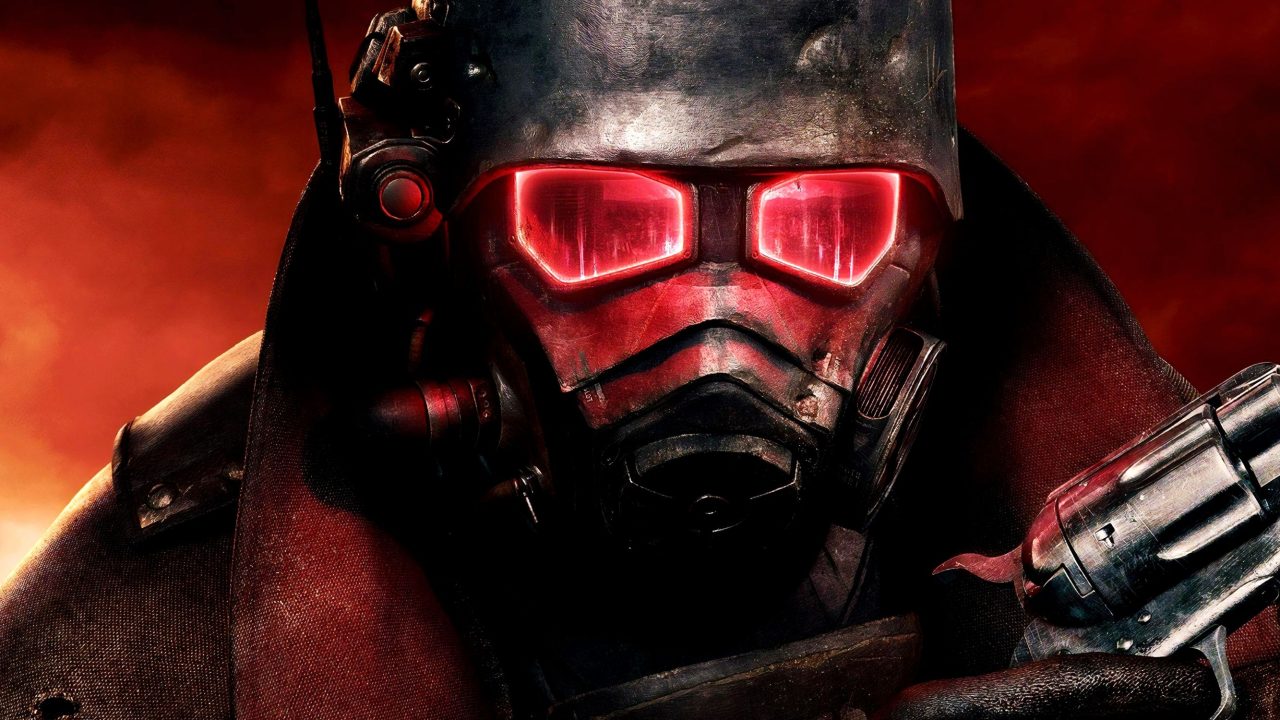
Fans of the Fallout series have been waiting years for Bethesda to revisit one of the most beloved entries in the franchise — and while an official Fallout: New Vegas remaster remains nowhere on the horizon, a passionate group of modders and developers have taken matters into their own hands. The result, reportedly built in Unreal Engine, is drawing serious attention from the gaming community in early 2026.
The Fallout franchise is currently riding a wave of renewed popularity, boosted significantly by the success of the Amazon Prime Video television adaptation. Yet despite that momentum, Bethesda has shown no urgency in revisiting New Vegas — a game widely considered by fans to be among the greatest RPGs ever made. That gap between what players want and what the publisher is delivering has created fertile ground for fan-driven projects.
And this latest unofficial effort, showcasing what New Vegas could look like rebuilt from the ground up in a modern engine, appears to be one of the most visually striking examples yet.
What This Unofficial New Vegas Remaster Actually Is
This is not a Bethesda product. It is an unofficial, fan-made recreation of Fallout: New Vegas being built using Unreal Engine — the same technology powering some of the most visually impressive games of the current generation. Projects like this sit in a long tradition of passionate developers reimagining classic games with modern tools, often working without any financial backing or official support.
The footage and materials circulating online suggest the project captures the sun-bleached, neon-lit aesthetic of the Mojave Wasteland in a way the original 2010 release — built on a noticeably aging engine even at launch — never could. The lighting, environmental detail, and overall fidelity represent a dramatic leap from
Whether the project will ever be fully playable, or whether it will face legal challenges from Bethesda or its parent company Microsoft, remains an open question. Fan remasters of high-profile titles have historically existed in a legally precarious space.
Why New Vegas Still Matters So Much to Fans
Fallout: New Vegas, developed by Obsidian Entertainment and released in 2010, occupies a unique place in gaming history. While Bethesda developed Fallout 3 and Fallout 4, New Vegas was handed to a team that included many of the original Fallout creators — and it shows. The game’s writing, faction-based storytelling, and player agency are still discussed as benchmarks for the RPG genre more than fifteen years later.
The demand for a remaster has never gone away. Every year, community polls and social media threads reliably surface the same question: when is Bethesda going to give New Vegas the modern treatment it deserves? The answer, so far, has always been silence.
Bethesda is currently understood to be deep in development on Fallout 5, though the studio has been similarly occupied with its massive space RPG Starfield and the ongoing Elder Scrolls VI project. The realistic timeline for Fallout 5 puts it many years away — which means the wait for any official return to the Mojave could stretch well into the 2030s.
The Growing World of Fan-Made Fallout Projects
This Unreal Engine project is not an isolated phenomenon. The Fallout modding community has been one of the most active and creative in gaming for over a decade. Several large-scale fan projects have attempted to rebuild or expand the Fallout universe over the years, with varying degrees of completion and varying responses from Bethesda.
What makes this particular project stand out is the engine choice. Unreal Engine brings with it a level of graphical capability that older Bethesda engine-based mods simply cannot match. The visual gap between the original New Vegas and what modern Unreal Engine can produce is enormous — and early showcases of this project appear to demonstrate exactly that contrast.
- Fallout: New Vegas was originally released in 2010 by Obsidian Entertainment
- The game was built on Bethesda’s Gamebryo engine, which was already considered dated at launch
- Bethesda has not announced any official remaster or remake of New Vegas
- Fallout 5 is confirmed to be in development but remains years away from release
- The fan project is built in Unreal Engine, bringing modern graphical capabilities to the Mojave setting
- The Fallout franchise received a major popularity boost from the Amazon Prime Video series
What an Unofficial Project Can and Cannot Deliver
| Aspect | Official Remaster | Fan-Made Unreal Engine Project |
|---|---|---|
| Legal status | Fully licensed and supported | Legally uncertain, no official backing |
| Visual quality potential | Dependent on Bethesda’s resources | High — Unreal Engine is cutting-edge |
| Full game content | Yes, complete experience | Not confirmed — may be partial showcase |
| Commercial release | Yes, available for purchase | No — fan projects cannot be sold |
| Long-term availability | Guaranteed with publisher support | At risk of takedown at any time |
Fan projects of this scale are impressive achievements, but they come with real limitations. They cannot be sold, they can be shut down by intellectual property holders, and they frequently stall or go unfinished due to the enormous workload involved. Enthusiasm in the gaming community is high — but so is the awareness that many ambitious fan remasters never cross the finish line.
![[4K80] Fallout new Vegas Remaster in Unreal Engine 5 Youve NEVER Seen Fallout Like This! /w download](/wp-content/cache/flying-press/c4cfa3e16cc54d5fa5452123b30747aa.jpg)
What Happens While the Community Waits for Fallout 5
The timing of this project’s visibility is no accident. With Fallout 5 still a distant prospect and Bethesda giving no indication that New Vegas will receive any official treatment, fan-made efforts are filling a real vacuum. The community’s appetite for a return to the Mojave is clearly not diminishing with time — if anything, the success of the TV show has introduced a new generation of players to the franchise, many of whom are now discovering New Vegas for the first time.
Whether this Unreal Engine project evolves into something fully playable, gets taken down by Bethesda, or simply serves as a stunning proof of concept, it has already done something valuable: it reminded everyone what New Vegas could look like if given the resources it deserves.
For now, the modding community continues to do what it has always done — keep beloved games alive long after publishers have moved on.
Frequently Asked Questions
Is this an official Fallout: New Vegas remaster from Bethesda?
No. This is an unofficial, fan-made project built in Unreal Engine. Bethesda has not announced any official remaster or remake of Fallout: New Vegas.
When was the original Fallout: New Vegas released?
Fallout: New Vegas was developed by Obsidian Entertainment and released in 2010.
Will this fan project be available to download and play?
This has not yet been confirmed. Fan projects like this exist in a legally uncertain space and may never be released as a fully playable product.
Is Fallout 5 in development?
Yes, Fallout 5 has been confirmed to be in development at Bethesda, but no release date has been announced and it is expected to be many years away.
Could Bethesda shut this fan project down?
Potentially, yes. Fan-made recreations of commercial games exist in legally precarious territory, and publishers have the right to issue takedown notices protecting their intellectual property.
Why do fans want a New Vegas remaster so badly?
New Vegas is widely regarded as one of the greatest RPGs ever made, celebrated for its writing and player choice, but it launched on aging technology — making it a natural candidate for a modern visual overhaul.




Leave a Reply