
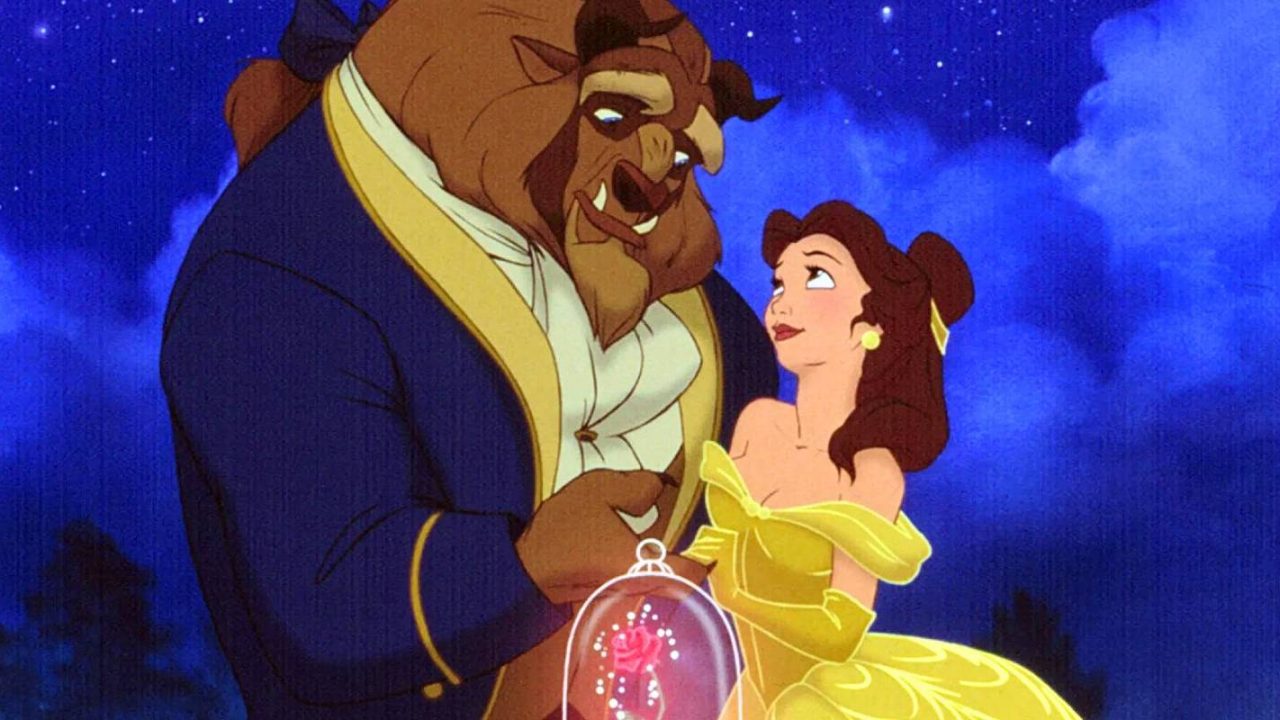
Before Peter Jackson’s The Fellowship of the Ring arrived in December 2001 and permanently raised the bar for what fantasy cinema could be, a long and surprisingly rich tradition of fantasy films had already been quietly building for decades. These movies didn’t have billion-dollar budgets or cutting-edge digital effects, but many of them had something just as valuable: genuine imagination, practical craft, and a willingness to take the genre seriously.
Fantasy on screen predates the sound era entirely, stretching back to the earliest days of cinema. Yet the decades immediately preceding Jackson’s trilogy — the 1970s, 1980s, and 1990s in particular — produced a wave of fantasy films that shaped an entire generation of viewers. Some were blockbusters. Others were cult classics that found their audiences on VHS. All of them helped prove that fantasy storytelling belonged on the big screen.
Here’s a look at the greatest fantasy movies released before The Lord of the Rings changed everything — films that still hold up, still matter, and still deserve to be watched.
Why Pre-Lord of the Rings Fantasy Deserves a Second Look
It’s easy to treat 2001 as Year Zero for serious fantasy cinema. Jackson’s trilogy was so dominant — critically, commercially, and culturally — that it cast a long shadow backward over everything that came before it. Films that were once celebrated became footnotes. Entire subgenres got quietly forgotten.
That’s a real loss. The fantasy films made before The Fellowship of the Ring were working without the safety net of proven mainstream acceptance. Studios were often skeptical. Budgets were frequently tight. Directors had to be creative in ways that CGI-heavy productions sometimes don’t require. The results were often raw, strange, and deeply personal — qualities that make the best of them feel surprisingly fresh today.
There’s also a direct creative lineage worth tracing. Many of the filmmakers, designers, and storytellers who shaped the look and feel of modern fantasy cinema grew up watching exactly these movies. Understanding where the genre came from makes the films that followed it easier to appreciate.
The Films That Defined a Genre Before It Had a Name
The pre-2001 fantasy canon is broader than most people realize. It spans animated classics and live-action epics, sword-and-sorcery adventures and fairy tale adaptations, family films and decidedly darker fare. What unites them is a shared commitment to world-building — to creating places and creatures and rules that feel internally consistent, even when they’re operating on pure myth logic.
Several of these films drew directly on classic literary sources. Others invented their own mythologies wholesale. A few were dismissed on release and only later recognized for what they were. The common thread is ambition — a desire to put something genuinely fantastical on screen and make audiences believe in it.
Below is a structured look at the ten greatest fantasy movies released before The Lord of the Rings, organized by the era in which they appeared.
| Film | Year | Notable For |
|---|---|---|
| The Wizard of Oz | 1939 | One of the earliest and most enduring fantasy films in cinema history |
| Jason and the Argonauts | 1963 | Ray Harryhausen’s legendary stop-motion creature effects |
| Bedknobs and Broomsticks | 1971 | Disney’s blend of live action and animation in a magical wartime setting |
| Conan the Barbarian | 1982 | Defined the sword-and-sorcery subgenre for a generation |
| The Dark Crystal | 1982 | Jim Henson’s groundbreaking all-puppet fantasy world |
| Labyrinth | 1986 | David Bowie, Jim Henson puppetry, and a genuinely strange fairy tale logic |
| The Princess Bride | 1987 | Rob Reiner’s beloved romantic adventure, still endlessly quotable |
| Willow | 1988 | George Lucas-produced epic that anticipated the modern fantasy blockbuster |
| The NeverEnding Story | 1984 | A meditation on the power of storytelling itself, wrapped in fantasy imagery |
| Excalibur | 1981 | John Boorman’s operatic retelling of the Arthurian legend |
What Made These Films Work — and What Didn’t
Not every film on this list is a flawless masterpiece. Willow has pacing problems. Conan the Barbarian is deliberately brutal in ways that limit its audience. Some of the practical effects that felt groundbreaking in the 1980s now look their age. That’s part of the honest conversation about pre-CGI fantasy.
But the films that endure do so for consistent reasons. Strong characters. Genuine emotional stakes. A willingness to take the fantasy world seriously rather than wink at the audience. The Princess Bride is funny, but it never mocks the love story at its center. The Dark Crystal is strange, but it commits completely to its alien ecosystem. That commitment is what separates a memorable fantasy film from a forgettable one.
The best of these movies also understood something that big-budget modern fantasy sometimes forgets: the audience doesn’t need to see everything. Suggestion, shadow, and implication can be more powerful than the most detailed CGI creature. Harryhausen’s skeleton warriors in Jason and the Argonauts still unsettle people today, not despite their visible artificiality but partly because of it.
The Lasting Influence on Modern Fantasy Cinema
Peter Jackson himself has spoken about the films that shaped his imagination before he made The Lord of the Rings. The entire generation of filmmakers who came of age in the 1980s — watching Labyrinth and Excalibur and The NeverEnding Story on repeat — carried those visual and emotional influences into their own work.
The fantasy genre didn’t emerge fully formed in 2001. It was built, slowly and imperfectly, by the films on this list and dozens of others like them. Jackson’s trilogy was a culmination, not a beginning. And going back to watch these earlier films now — with that context in mind — makes both the older movies and the newer ones richer.
If you’ve never seen Excalibur‘s hallucinatory take on Arthurian myth, or experienced The Dark Crystal‘s genuinely unsettling puppet world, or revisited The Princess Bride as an adult, this is a good time to start. The genre has always been bigger and stranger and more interesting than its biggest hits suggest.
Frequently Asked Questions
What is considered the greatest fantasy movie before The Lord of the Rings?
Several films are widely cited, including The Princess Bride, Excalibur, The Dark Crystal, and Labyrinth, depending on the criteria used — though no single consensus exists.
Did any of these films influence Peter Jackson’s Lord of the Rings trilogy?
The broader tradition of pre-2001 fantasy cinema, including many of the films on this list, shaped the generation of filmmakers who created modern fantasy blockbusters, though specific confirmed influences would require sourcing directly from Jackson’s own statements.
Are these older fantasy films still worth watching today?
Many of them hold up strongly, particularly those with practical effects, strong characters, and genuine emotional stakes — qualities that don’t age the way dated CGI does.
What makes a fantasy film qualify as “great” before the modern era?
Strong world-building, committed storytelling, and the ability to make audiences genuinely believe in an impossible world are consistently cited as the defining qualities of lasting pre-2001 fantasy films.
Were any of these films considered failures when they were first released?
Several films in the pre-2001 fantasy canon, including Labyrinth and Willow, underperformed at the box office on release before finding large cult audiences in later years through home video.
Is The Wizard of Oz really considered a fantasy film?
The Wizard of Oz is widely classified as a fantasy film and is frequently cited as one of the earliest and most influential examples of the genre in cinema history.


Leave a Reply