
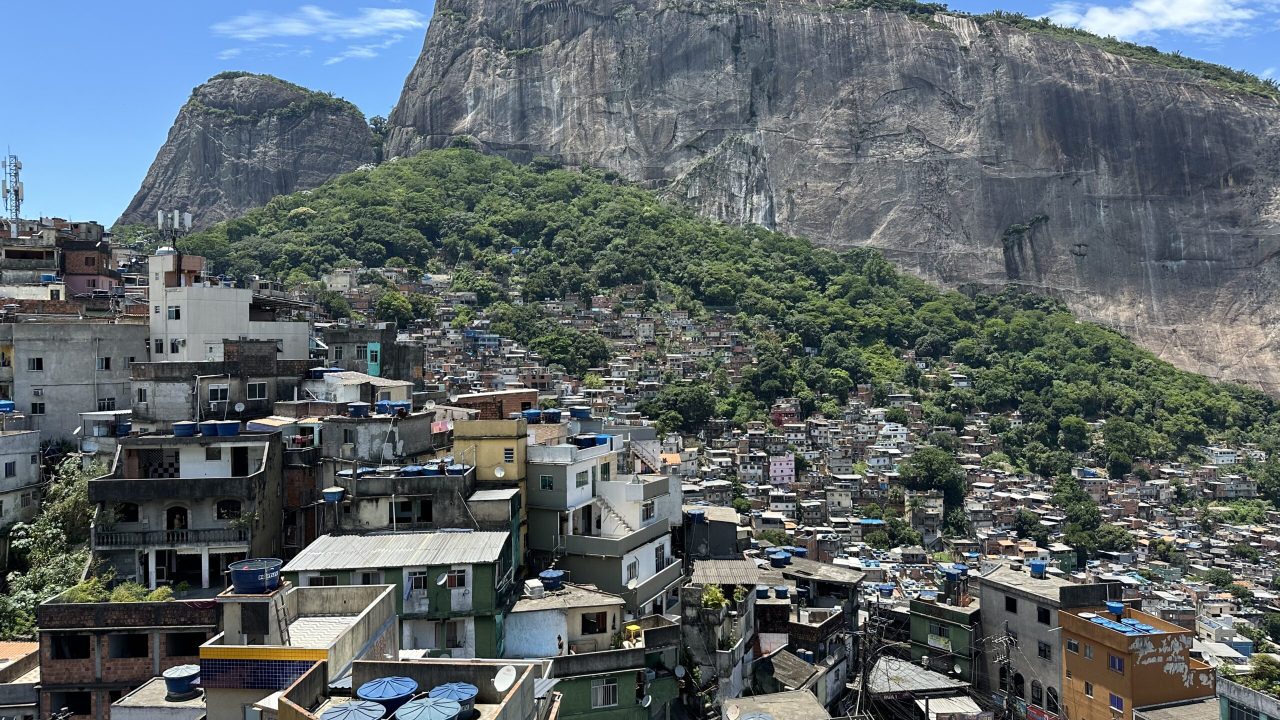
What if the most authentic experience Rio de Janeiro has to offer isn’t on Copacabana Beach or inside a samba club downtown — but tucked into the hillside neighbourhoods that most tourists never visit? Favela tourism in Brazil is changing the way travellers engage with one of South America’s most complex and vibrant cities.
These communities, long misrepresented in international media, are home to extraordinary street art, living musical traditions, and residents who are increasingly leading the tourism experience themselves. For travellers willing to look beyond the postcard version of Rio, the rewards are genuine and lasting.
Interest in community-led travel has grown steadily, and favela tourism Brazil has emerged as one of the more meaningful expressions of that shift — offering cultural immersion that standard tourist routes simply cannot replicate.
Why Favela Tourism in Brazil Is Growing
The rise of favela tourism didn’t happen overnight. Over recent years, social media has played a notable role in bringing these hillside communities to wider attention, with videos and photographs showcasing panoramic views of Rio and the colourful architecture that defines favela life.
But the appeal goes well beyond visual content. Travellers are increasingly seeking experiences that feel real — places where local culture hasn’t been packaged and smoothed out for outside consumption. Favelas, at their core, offer exactly that.
Advocates of responsible favela tourism argue that these visits, when organised correctly, do more than satisfy traveller curiosity. They create direct economic benefit for residents, challenge harmful stereotypes, and open genuine dialogue between visitors and communities that rarely intersect with mainstream tourism infrastructure.
The key distinction that supporters of this kind of travel consistently emphasise is the difference between extractive tourism — where outsiders observe poverty as spectacle — and community-led experiences, where local guides control the narrative and the money stays within the neighbourhood.
What Travellers Actually Experience in Rio’s Favelas
Visiting a favela through a responsible, community-organised tour is nothing like the gritty portrayal many travellers might expect. What most visitors report finding instead is colour, creativity, and an unmistakable energy that feels entirely distinct from the rest of the city.
Some of the most commonly highlighted elements of favela tourism Brazil include:
- Street murals and public art — Large-scale, politically charged, and technically impressive, the murals found across Rio’s favelas represent one of Brazil’s most dynamic living art scenes.
- Live music and cultural performances — From funk carioca to samba roots, music in these communities is participatory and communal, not staged for tourists.
- Local food and markets — Travellers can eat, shop, and spend money directly with residents rather than at tourist-facing businesses.
- Panoramic city views — Many favelas sit on Rio’s hillsides, offering perspectives of the city that are genuinely extraordinary and inaccessible from street level.
- Community traditions — Everyday life in these neighbourhoods includes religious celebrations, neighbourhood gatherings, and cultural practices rarely visible on standard tourist itineraries.
The Case for Community-Led Tourism
Not all favela tourism is equal, and this is a point that responsible travel advocates raise consistently. The difference between a tour that genuinely supports residents and one that treats poverty as entertainment often comes down to who is organising and profiting from the experience.
| Type of Tour | Guide Origin | Economic Benefit | Community Input |
|---|---|---|---|
| Community-led tour | Local resident guides | Stays within the community | High — residents shape the experience |
| Externally operated tour | Outside company or agency | Largely leaves the community | Low — community is the backdrop, not the host |
| Self-guided visit | None | Minimal and unpredictable | None — context and safety not guaranteed |
When local guides lead the experience, travellers receive accurate context, safety guidance, and a perspective that no outside operator can replicate. The community retains agency over how it is represented, and the economic value of tourism flows to the people who actually live there.
What This Means for How You Travel in Rio
For travellers planning a trip to Rio de Janeiro, favela tourism represents a genuine alternative to the city’s well-worn tourist circuit. It doesn’t replace the beaches or the carnival — but it adds a dimension of understanding that most visitors leave the city without.
Practically speaking, engaging with favela tourism responsibly means doing some preparation before you arrive:
- Research tour operators who are based within the community, not external agencies using the neighbourhood as a backdrop.
- Look for tours explicitly described as community-led or resident-guided.
- Spend money locally during your visit — at food stalls, with artisans, and at community-run businesses.
- Approach the experience with genuine curiosity rather than as a poverty tourism exercise.
- Follow the guidance of your local guide on photography, behaviour, and areas to avoid.
The experience, when approached with respect, tends to be one that travellers describe as among the most memorable of their time in Brazil — not because it is dramatic, but because it is genuinely human.
Why This Kind of Travel Is Only Getting More Relevant
Global travel is shifting. More travellers are asking harder questions about where their money goes, whose stories get told, and what kind of footprint they leave behind. Favela tourism in Brazil sits squarely at the intersection of those questions.
Rio’s hillside communities are not museums or theme parks. They are living neighbourhoods with complex histories, real challenges, and extraordinary cultural output. Tourism, done right, can be one tool among many that supports residents rather than exploiting them.
The growth of community-led favela tourism suggests that a meaningful number of travellers are ready for that kind of engagement — and that residents are increasingly positioned to offer it on their own terms.
Frequently Asked Questions
Is favela tourism in Brazil safe for visitors?
When organised through community-led or resident-guided tours, favela tourism is considered safe for travellers. Local guides provide essential context, safety guidance, and direct the experience throughout.
What makes favela tourism different from standard Rio sightseeing?
Favela tourism offers direct cultural immersion into everyday community life, including street art, local music, food, and traditions that are not accessible on standard tourist routes.
How do I make sure my visit actually benefits the community?
Choose tours explicitly operated by local resident guides, spend money directly at community businesses during your visit, and avoid externally operated tours where economic benefit leaves the neighbourhood.
What will I actually see on a favela tour in Rio?
Visitors typically encounter large-scale murals and street art, live music, panoramic city views, local food markets, and opportunities to observe or participate in community cultural traditions.
Is photography allowed during favela tours?
Photography norms vary by community and guide. Always follow the specific guidance of your local guide regarding when and where photography is appropriate.
Do I need to speak Portuguese to enjoy favela tourism in Brazil?
Many community-led tours are available with English-speaking guides, though having even basic Portuguese phrases is always appreciated by residents and enhances the experience.


Leave a Reply