
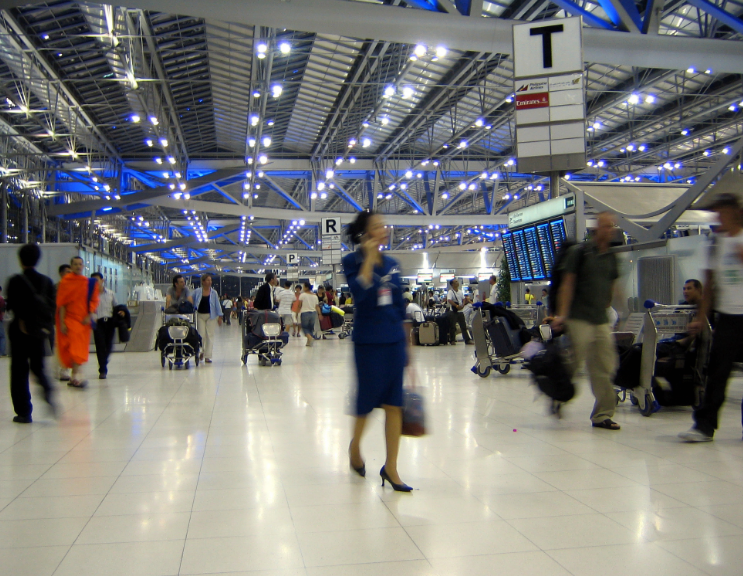
Twenty-eight flights canceled. Passengers stranded across four countries. And airports from Jakarta to Taipei scrambling to manage the fallout — all at once.
A wave of flight cancellations swept through major aviation hubs across Asia, hitting Indonesia, Malaysia, Taiwan, and Hong Kong simultaneously and leaving travelers with disrupted itineraries and few immediate options. The scale of the disruption — more than 25 confirmed cancellations, with the total reaching 28 — affected both domestic and international routes across some of the region’s busiest air corridors.
If you had a flight booked with Batik Air, IGO, Malaysia Airlines (MAS), or several other carriers operating across Southeast and East Asia around this period, here is what happened and what it means for anyone still planning travel in the region.
What Triggered the Mass Cancellations Across Asia
The disruptions were not isolated to a single airline or a single country. Cancellations hit multiple carriers operating across Indonesia, Malaysia, Taiwan, and Hong Kong — creating a cascading effect that compounded delays and left passengers stranded at airports far from home.
Airlines confirmed to be affected include Batik Air, IGO, and Malaysia Airlines (MAS), among others. The breadth of the cancellations — spanning both domestic Indonesian routes and international connections — suggests the disruptions were widespread rather than the result of one carrier’s isolated operational issue.
Operational challenges affected airports across the region simultaneously, which made rebooking and rerouting significantly harder for passengers caught in the middle.
Every Destination Hit by the Flight Cancellations
The reach of these disruptions was striking. Routes serving major tourist and business destinations were among those canceled, affecting travelers heading to or from a long list of cities and airports.
Destinations confirmed as affected include:
- Jakarta (multiple airports)
- Bali
- Makassar (Sultan Hasanuddin International Airport)
- Kuala Lumpur
- Penang
- Taipei
- Sam Ratulangi (Manado, North Sulawesi)
- Lombok
- Juanda (Surabaya)
- Kuala Namu (Medan)
- Chennai
- Biju Patnaik (Bhubaneswar, India)
- Melbourne
- Hamad International (Doha)
- Singapore Changi
- Langkawi
- Manila
- Kansai (Osaka)
That list spans at least six countries and reaches as far as Australia, India, Japan, and the Middle East — underlining how interconnected these regional flight networks are, and how quickly a cluster of cancellations can ripple outward.
Airlines and Routes: A Snapshot of the Disruptions
The cancellations involved carriers that together cover a significant share of Southeast Asia’s short- and medium-haul traffic. Below is a summary of what is confirmed from the available information.
| Airline | Region of Operation | Route Types Affected |
|---|---|---|
| Batik Air | Indonesia / Southeast Asia | Domestic and international |
| IGO (IndiGo) | South / Southeast Asia | International connections |
| Malaysia Airlines (MAS) | Malaysia / Southeast Asia | Domestic and international |
| Additional carriers | Taiwan, Hong Kong, Indonesia, Malaysia | Multiple domestic and international |
The total confirmed cancellation count stands at 28 flights, though the disruptions affected more passengers than that number alone suggests — given that stranded travelers often missed connecting flights and onward bookings as a result.
Who Got Stranded and What They’re Facing
For passengers caught in this disruption, the practical consequences were immediate and serious. Travelers heading to Bali for holidays, business travelers routed through Kuala Lumpur, and transit passengers connecting through Singapore Changi or Hong Kong all found themselves with canceled boarding passes and uncertain timelines.
The simultaneous nature of the cancellations across four countries made the situation harder to resolve quickly. When disruptions hit one hub, airlines can often reroute passengers through another. When multiple hubs are affected at the same time, options narrow fast.
Passengers on affected routes — particularly those traveling internationally — faced the added complication of being stranded in a country other than their own, which raises costs and logistical challenges well beyond a simple rebooking.
Travelers with connections through Singapore Changi, Hamad International, or Kansai Airport were among those most exposed to knock-on delays, given the role those airports play as regional transit points.
What Travelers Should Do Right Now
If you have upcoming travel booked on any of the affected airlines — particularly Batik Air, IGO, or Malaysia Airlines — across any of the routes listed above, there are practical steps worth taking before your departure date.
- Check your flight status directly with the airline, not just through third-party booking platforms, which can lag behind real-time updates.
- Review your travel insurance policy to understand what coverage applies in the event of a carrier-initiated cancellation.
- Contact your airline proactively if you are traveling within the next several days — rebooking queues fill quickly after mass cancellation events.
- Monitor airport advisories for the specific airports listed above, particularly if you are transiting through a hub that was affected.
- Keep documentation of any expenses incurred as a direct result of the cancellation — accommodation, meals, ground transport — as these may be recoverable depending on the airline’s policies and your country of travel.
Passengers who were already stranded at the time of the disruptions are advised to work directly with airline customer service desks at the airport rather than relying solely on phone or app-based support, which can become overwhelmed during large-scale events.
The Bigger Picture for Asian Air Travel
This kind of multi-country, multi-carrier disruption is a reminder of how tightly woven — and how fragile — regional aviation networks can be. Southeast Asia’s air travel market has grown rapidly over the past decade, with low-cost carriers expanding routes and passenger volumes rising steadily.
That growth has brought more options for travelers, but it has also meant that when disruptions occur, they tend to affect more people, more routes, and more countries than similar events did a generation ago.
Airlines operating in the region have not publicly detailed the specific causes behind each of the 28 cancellations in this event, and the full picture of what drove the simultaneous disruptions across Indonesia, Malaysia, Taiwan, and Hong Kong has not been confirmed in available reporting.
Frequently Asked Questions
How many flights were canceled in total?
A total of 28 flights were canceled across airports in Indonesia, Malaysia, Taiwan, and Hong Kong, affecting both domestic and international routes.
Which airlines were affected by the cancellations?
Confirmed airlines include Batik Air, IGO, and Malaysia Airlines (MAS), along with additional carriers operating across the four affected countries.
Which destinations were disrupted?
Affected destinations include Jakarta, Bali, Makassar, Kuala Lumpur, Penang, Taipei, Lombok, Surabaya, Medan, Chennai, Melbourne, Doha, Singapore, Langkawi, Manila, and Osaka, among others.
What caused the mass cancellations?
The specific causes behind each cancellation have not been confirmed in available reporting. Airlines have not publicly detailed the operational factors involved.
What should I do if my flight was canceled?
Contact your airline directly to rebook, review your travel insurance coverage, and retain any receipts for expenses incurred as a result of the disruption.
Are further cancellations expected?
This has not yet been confirmed. Travelers with upcoming bookings on affected airlines and routes should monitor flight status updates closely in the days ahead.



Leave a Reply