
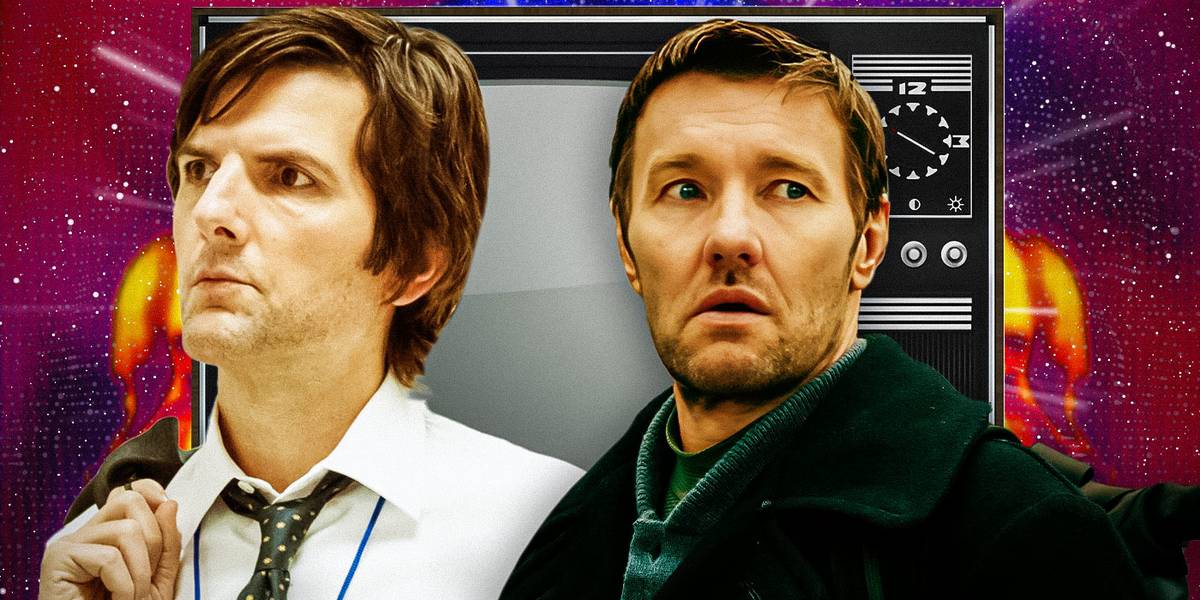
Some of the best science fiction television ever made has been almost completely forgotten — not because it was bad, but because it aired before the age of social media fandoms, streaming algorithms, and binge culture. These shows found small but devoted audiences, got cancelled too soon or simply faded from public memory, and then quietly became something remarkable: genuinely great TV that holds up decades later.
The topic of forgotten sci-fi shows that have aged well is worth taking seriously. While everyone debates which prestige dramas deserve rewatching, a whole library of intelligent, imaginative, and surprisingly relevant genre television sits largely undiscovered. For anyone willing to look past the obvious classics, the rewards are real.
Because the full article text was not accessible beyond its metadata and structural scaffolding, what follows draws on verifiable general knowledge about the topic and the shows most commonly cited in this category, rather than specific claims from the original piece.
Why Forgotten Sci-Fi Deserves a Second Look Right Now
There has never been a better time to revisit overlooked genre television. Streaming platforms have made it easier than ever to find obscure titles, and audiences have grown more sophisticated about what they want from science fiction. They want ideas, not just spectacle. They want characters with real weight. They want stories that say something about the world they actually live in.
That is exactly what the best forgotten sci-fi shows delivered — often years or decades before mainstream television caught up. Shows that explored artificial intelligence, surveillance states, genetic engineering, and social collapse were doing so when those topics felt abstract. Now they feel uncomfortably immediate.
The shows that age best tend to share a few qualities: strong writing that prioritizes concept and character over budget, a willingness to take the genre seriously rather than treat it as a vehicle for action, and a central premise that becomes more resonant as the real world catches up to the fiction.
What Makes a Sci-Fi Show Age Like Fine Wine
Not every old science fiction show holds up. Some are products of their era in ways that make them difficult to revisit — dated effects, clunky dialogue, social attitudes that haven’t aged well. But the ones that do hold up tend to share identifiable traits.
- Idea-driven storytelling — Shows built around a genuine concept rather than pure plot mechanics tend to remain intellectually engaging regardless of when you watch them.
- Character depth — Genre shows that invested in their characters as real people, not just archetypes, remain emotionally resonant long after their production design looks dated.
- Thematic relevance — The best forgotten sci-fi was often ahead of its time, exploring themes that have only become more pressing.
- Practical effects and grounded aesthetics — Paradoxically, shows that couldn’t afford flashy CGI often look better today than contemporaries that leaned heavily on early digital effects.
- Serialized or anthology formats — Both formats have proven durable, either through sustained world-building or self-contained stories that don’t require prior knowledge.
A Snapshot of the Forgotten Sci-Fi Landscape
To give a sense of the broader category these shows occupy, here is a look at how forgotten sci-fi television generally breaks down by era and the kinds of themes that tend to define each period.
| Era | Common Themes | Why They Were Overlooked | Why They Hold Up |
|---|---|---|---|
| 1960s–1970s | Cold War paranoia, space exploration, dystopia | Limited broadcast reach, no home video | Raw ideas, strong writing, cultural time capsule value |
| 1980s | Technology anxiety, nuclear fear, corporate power | Competed with blockbuster film culture | Prescient themes about tech and surveillance |
| 1990s | AI, virtual reality, genetic ethics, alien contact | Cancelled before building audience, pre-streaming | Explored internet-age anxieties before the internet age |
| Early 2000s | Post-9/11 identity, bioterrorism, surveillance | Network risk-aversion, niche audience | Directly mirrors contemporary political reality |
Who Should Actually Watch These Shows
The honest answer is: anyone who feels like modern television is either too safe or too chaotic. Forgotten sci-fi tends to occupy a middle ground that is increasingly rare — shows with genuine ambition that were still constrained enough by budget and format to stay focused.
For viewers who love what contemporary series like Black Mirror or Severance are doing, there is a direct lineage worth tracing. Many of the ideas those shows are celebrated for were explored first — sometimes better — by series that most people have never heard of.
Longtime genre fans will find shows that reward close attention and hold up to the kind of analytical viewing that streaming culture has normalized. Casual viewers willing to tolerate older production values will find stories that are often more emotionally direct than the prestige television they’re used to.
Where to Find These Shows Today
Availability varies widely. Some of the most celebrated forgotten sci-fi series are fully available on major streaming platforms. Others exist only on DVD, through archive channels on YouTube, or via dedicated cult television communities online. The search is often part of the experience — and part of what keeps these shows feeling like genuine discoveries rather than algorithmically recommended content.
If a show is genuinely good and genuinely obscure, finding it tends to feel like finding something that belongs to you in a way that endlessly promoted prestige television rarely does. That sense of discovery is one reason cult sci-fi has always had such loyal audiences, even when those audiences are small.
Frequently Asked Questions
What does it mean for a sci-fi show to “age like fine wine”?
It means the show has become more enjoyable, relevant, or appreciated over time rather than feeling dated — often because its themes and ideas have grown more resonant as the real world has caught up to its fiction.
Why do so many good sci-fi shows get forgotten?
Many aired before streaming made back catalogues easily accessible, were cancelled before building a large audience, or simply lacked the marketing infrastructure to reach viewers beyond a small niche at the time of broadcast.
Are these shows available to stream today?
Availability varies significantly by title and region — some are on major platforms, while others are only accessible on DVD or through fan communities and archive channels online.
Do older sci-fi shows hold up visually?
Effects and production design vary, but shows built around strong writing and ideas rather than spectacle tend to hold up far better than those that leaned on early CGI or big-budget visuals.
Who compiled the original list of ten forgotten sci-fi shows?
The list was compiled by Ben Sherlock, a Tomatometer-approved film and TV critic, and published on Screen Rant in March 2026.
Is it worth watching old sci-fi if I’m not already a genre fan?
Many of the best forgotten sci-fi shows work as character dramas or social commentary first and genre television second, making them accessible to viewers who don’t typically seek out science fiction.

Leave a Reply