
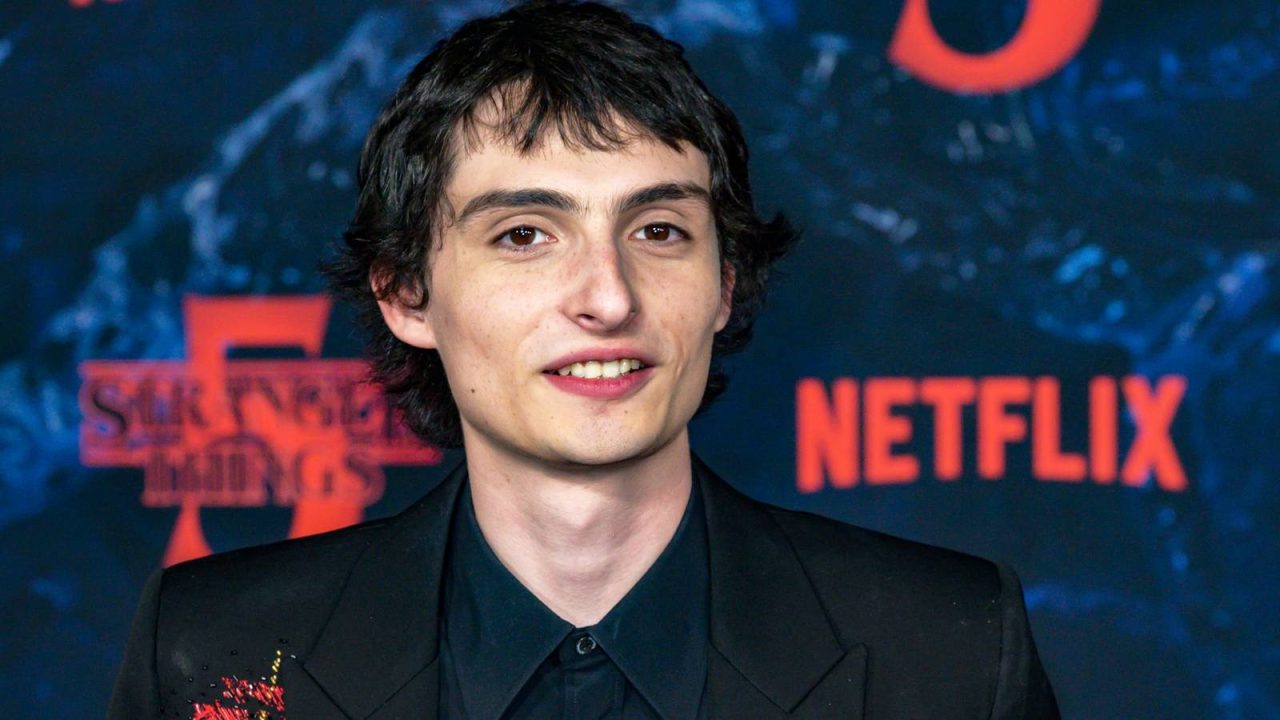
What happens when you take the anarchic, pain-is-funny energy of Jackass and smash it into the lovable-loser charm of Hot Rod? If the early buzz around Crash Land is any indication, you get one of the wilder comedy surprises of 2026.
The film stars Finn Wolfhard and Gabriel LaBelle, two young actors who have been building serious dramatic credibility — Wolfhard through the Stranger Things universe and LaBelle through his breakout turn in The Fabelmans — and now appear to be throwing caution, and apparently themselves, directly into harm’s way for laughs.
The comparison to both Jackass and Hot Rod is a specific kind of promise. It signals physical comedy, genuine absurdity, and the kind of movie that doesn’t take itself remotely seriously. Whether Crash Land fully delivers on that promise is worth examining closely.
What Crash Land Is Actually About
The review frames the film squarely in the tradition of comedies that embrace chaos as a creative tool rather than a flaw to be managed.
The Jackass comparison is notable because that franchise built an entire identity around real physical risk and genuine reactions — there’s no acting when something actually hurts. Pairing that energy with Hot Rod, Andy Samberg’s 2007 cult comedy about a delusional amateur stuntman, suggests Crash Land is going for something that blends scripted absurdism with the raw, unpolished feel of people genuinely committing to ridiculous things.
Wolfhard and LaBelle are an intriguing pairing precisely because neither is typically associated with broad physical comedy. That contrast — serious young actors leaning hard into slapstick — is often where the best laughs live.
Why the Jackass and Hot Rod Comparison Actually Means Something
Not every comedy gets compared to two very specific cultural touchstones. When a critic reaches for both Jackass and Hot Rod in the same breath, they’re describing a fairly precise tonal target.
- Jackass represents unfiltered physical comedy, real stakes, and the humor of watching people genuinely commit to dangerous or disgusting stunts without a safety net of irony.
- Hot Rod represents the lovable idiot genre at its most affectionate — a movie about someone who is objectively bad at what they love, surrounded by people who are equally chaotic, and played completely straight despite being completely insane.
- Together, they suggest a film that is both physically committed and narratively absurd — not just random, but purposefully ridiculous.
That combination is harder to pull off than it sounds. Pure chaos without heart becomes exhausting fast. The best comedies in this space — Hot Rod genuinely being one of them — succeed because the audience actually roots for the characters even while laughing at them.
Finn Wolfhard and Gabriel LaBelle: An Unlikely Comedy Duo
The casting here deserves attention on its own terms. Both Wolfhard and LaBelle have spent their recent careers in prestige-adjacent territory. Wolfhard is best known for Stranger Things and the IT films. LaBelle earned significant awards-season attention for his work in Steven Spielberg’s The Fabelmans.
Choosing to pivot into wild, physical, Jackass-adjacent comedy is a deliberate creative choice — and historically, that kind of swing tends to reveal something new about an actor’s range. Think of how Jim Carrey’s early physical comedy work shaped everything that came after, or how the 21 Jump Street films completely reframed Channing Tatum’s career.
| Actor | Known For | Comedy Style in Crash Land |
|---|---|---|
| Finn Wolfhard | Stranger Things, IT | Physical, anarchic — per Jackass/Hot Rod comparisons |
| Gabriel LaBelle | The Fabelmans | Physical, anarchic — per Jackass/Hot Rod comparisons |
What the Review Signals About the Film’s Tone
The framing of the Collider review — describing the film as “wild” and “ridiculous” — is not a criticism in this context. For a comedy aiming at the Jackass/Hot Rod target, those are exactly the words you want attached to it.
The worst version of this kind of movie is one that hedges. It tries to be a little bit edgy, a little bit sweet, a little bit absurd, and ends up being none of those things fully. The best versions commit completely — they are exactly as dumb as they need to be, and they are proud of it.
Based on the framing from Bonaime’s review, Crash Land appears to be leaning into its own chaos rather than apologizing for it. That’s usually a good sign.
What Happens Next for Crash Land
The Collider review was published on March 21, 2026, placing it in the early critical conversation around the film. Reviews from outlets like Collider typically land ahead of or around a film’s wider release, which suggests Crash Land is entering public awareness at the time of this writing.
For audiences who have been waiting for Wolfhard and LaBelle to do something genuinely unexpected, this appears to be that moment. For fans of physical comedy, cult comedies, and the specific joy of watching people throw themselves into absurdity with full sincerity, the early signals here are encouraging.
Whether the film sustains its energy across a full runtime — always the challenge for comedies built on chaos — is the real question that only a full viewing can answer.
Frequently Asked Questions
What is Crash Land about?
Based on available review coverage, Crash Land is a wild physical comedy starring Finn Wolfhard and Gabriel LaBelle, described as combining the anarchic energy of Jackass with the absurdist humor of Hot Rod.
Who stars in Crash Land?
The film stars Finn Wolfhard, known for Stranger Things and the IT films, and Gabriel LaBelle, known for his role in Steven Spielberg’s The Fabelmans.
When was the Crash Land review published?
The review from Collider, written by Senior Film Editor Ross Bonaime, was published on March 21, 2026.
Is Crash Land suitable for fans of Hot Rod and Jackass?
Based on the critical framing, the film is directly compared to both properties in tone and style, suggesting it should appeal to fans of physical, absurdist comedy.
Has Crash Land received a wide release date confirmation?
A specific wide release date has not been confirmed in the available source material at this time.
Is this a departure from Wolfhard and LaBelle’s usual work?
Yes — both actors are primarily associated with dramatic or prestige projects, making this physical comedy a notable creative pivot for both of them.


Leave a Reply