
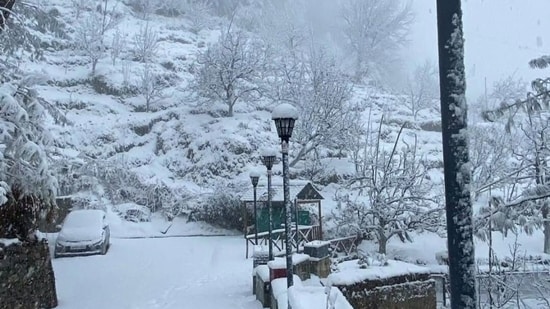
At a time when global tensions are making travellers rethink their plans, one Himalayan destination is sending a clear and confident message: come anyway. Himachal Pradesh, the mountain state in northern India, has been officially declared safe for tourists, with authorities stating that there is no impact on travel and no disruptions to visitor services.
The reassurance is not just a press release talking point. According to tourism officials, the situation on the ground reflects genuine stability — hotels are open, transport is running, and tour operators are actively accepting bookings. For anyone who had Himachal Pradesh on their travel list and hesitated, the signal from the state is straightforward: your trip can go ahead as planned.
That kind of clarity matters more than people might realise. When uncertainty creeps into the news cycle, travellers often cancel trips to entire regions based on headlines that may have little to do with their actual destination. Himachal Pradesh is pushing back against that narrative directly.
Why Himachal Pradesh Is Reassuring Travellers Right Now
The backdrop to this announcement is a broader moment of global unease. Rising geopolitical tensions in various parts of the world have made international travellers more cautious, and India — like many large countries — can sometimes be painted with a broad brush when regional news dominates international headlines.
Himachal Pradesh sits in the western Himalayas, bordered by Jammu and Kashmir to the north, Punjab to the west, and Uttarakhand to the east. It is a state known for its hill stations, Buddhist monasteries, apple orchards, and trekking routes — not for political conflict. Tourism officials have been explicit: the state is peaceful, stable, and operating normally.
The message is being directed at both domestic Indian travellers and international visitors. Global travellers, officials have noted, can plan their trips with full confidence. There are no travel restrictions in place, no disruptions to services, and no reason to delay or cancel.
What “Safe for Tourists” Actually Means on the Ground
It is worth being specific about what normalcy looks like in Himachal Pradesh right now, based on what authorities have confirmed:
- Hotels across the state are open and fully functional
- Transport services — including road connections to major hill stations — are operating as usual
- Tour operators are actively taking bookings with no reported decline in availability
- Visitor movement has continued without interruption
- All tourism-related systems remain efficient and maintained
- There are no travel restrictions or access disruptions for any part of the state
Officials have emphasised that the focus remains firmly on maintaining normalcy and building traveller trust. That trust, they acknowledge, is the foundation of the tourism economy that so many communities in the state depend on.
| Tourism Service | Current Status |
|---|---|
| Hotels and Accommodation | Open and fully operational |
| Transport Services | Running as usual |
| Tour Operators | Actively accepting bookings |
| Visitor Movement | No decline reported |
| Travel Restrictions | None in place |
Why Global Travellers Are Already Choosing Himachal Pradesh
Even without the current safety declaration, Himachal Pradesh has long drawn international visitors for reasons that go well beyond its postcard scenery. The state offers something increasingly rare in popular travel destinations: genuine serenity without the crowds that overwhelm more famous Himalayan spots.
The region’s appeal spans a wide range of traveller types. Adventure seekers come for trekking routes through high-altitude passes. Spiritual travellers are drawn to the Buddhist culture concentrated around Dharamshala and the McLeod Ganj area, home to a significant Tibetan community. Families and leisure travellers head to hill stations like Shimla and Manali, both of which offer cooler temperatures and mountain landscapes that feel worlds away from India’s busy plains.
The combination of natural beauty, cultural richness, and now an explicit safety assurance makes the state a compelling choice for travellers who want a Himalayan experience without uncertainty hanging over the trip.
What This Means for Anyone Planning a Visit
If you have been weighing a trip to northern India and wondering whether the current global climate makes it a bad idea, the official position from Himachal Pradesh tourism authorities is unambiguous: it is not a bad idea. The infrastructure is in place, the welcome is genuine, and the state is actively working to ensure visitors have a smooth experience.
For travellers who rely on official guidance before booking, the declaration carries real weight. It signals that the state government is paying attention to traveller concerns and is prepared to communicate proactively — which is itself a form of reassurance that many destinations fail to offer.
Practically speaking, this means booking windows are open, availability at hotels and with tour operators is normal, and there is no logistical reason to delay planning. Whether the trip is weeks away or months out, the state’s tourism machinery is running and ready.
What Comes Next for Tourism in the State
The declaration of safety is not a one-off announcement — it reflects an ongoing commitment from state authorities to monitor the situation and keep travellers informed. Officials have indicated that the priority is sustaining stability and ensuring that tourism continues to function without interruption.
As global travel patterns shift and more travellers seek destinations that combine natural appeal with political calm, Himachal Pradesh is positioning itself as exactly that kind of place. The message being sent to the world is deliberate: this is a destination that is open, welcoming, and worth the journey.
For anyone who has ever wanted to stand at the edge of a Himalayan ridge and feel genuinely far from the noise of the world, the state is making the case that now is as good a time as any to go.
Frequently Asked Questions
Has Himachal Pradesh officially been declared safe for tourists?
Yes. Tourism officials have stated clearly that Himachal Pradesh is safe for tourists and that there is no impact on travel from current global tensions.
Are hotels and transport services operating normally in Himachal Pradesh?
According to authorities, hotels are open and fully functional, and transport services are running as usual with no disruptions reported.
Are there any travel restrictions currently in place in Himachal Pradesh?
Officials have confirmed there are no travel restrictions or access disruptions anywhere in the state for visitors.
Can international tourists visit Himachal Pradesh right now?
Yes. Authorities have specifically stated that global travellers can plan their trips with confidence, and tour operators are actively accepting bookings.
Has visitor movement to Himachal Pradesh declined recently?
Officials have reported no decline in visitor movement, and the tourism industry is described as running smoothly.
Why is Himachal Pradesh considered a good destination for international travellers?
The state is known for its Himalayan scenery, hill stations, Buddhist culture, and trekking routes, and is currently being highlighted for its stability and peaceful environment at a time of broader global uncertainty.

Leave a Reply