
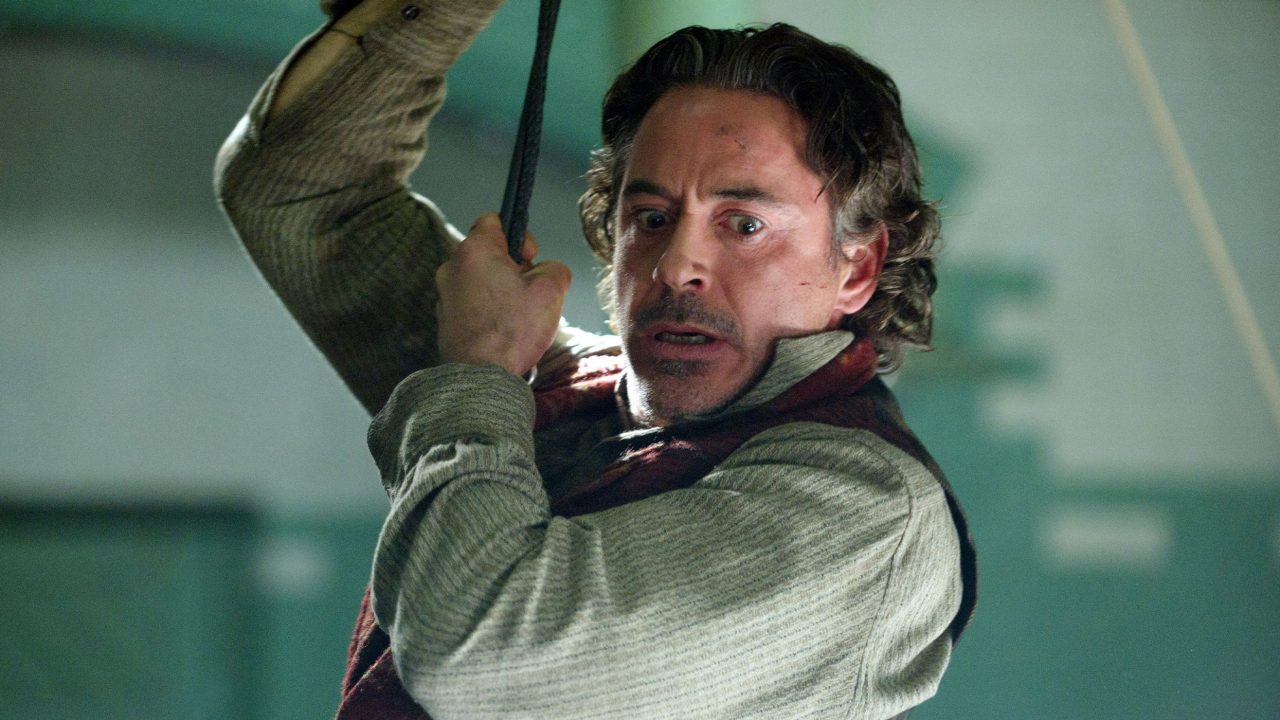
Few fictional characters have inspired more debate, more adaptations, and more passionate fandom than Sherlock Holmes. Since Arthur Conan Doyle first put the consulting detective on the page in 1887, actors across every generation have tried to crack the code of what makes Holmes tick — the razor-sharp intellect, the theatrical eccentricity, the barely concealed emotional chaos underneath it all.
The question of who has done it best is genuinely contested. Holmes has been played by dozens of actors across film, television, and stage, spanning more than a century of storytelling. Some interpretations lean into the cold logic. Others find the warmth hiding beneath the deerstalker. A few have managed to do both at once.
Here is a look at the actors most widely recognized as the greatest to ever take on the role — and what made each of them stand apart.
Why Sherlock Holmes Is One of the Hardest Roles in Fiction
Holmes is a character who exists in a permanent tension. He is supposed to be the smartest person in every room, which is a difficult thing to portray without making him insufferable. He is emotionally distant but deeply moral. He is theatrical but precise. Get the balance wrong in either direction and the whole thing collapses.
That is why the role has humbled so many talented actors over the years — and why the ones who genuinely nailed it tend to be remembered for decades. The character rewards actors who can hold contradictions without resolving them too neatly.
The Holmes tradition in film and television stretches back to the silent era, meaning audiences have had over a hundred years to form opinions about what the definitive version looks like. That history makes any new interpretation both exciting and risky.
The Sherlock Holmes Actors Most Celebrated by Critics and Audiences
When ranking the greatest portrayals of Sherlock Holmes, several names consistently rise to the top of the conversation. Each brought something distinct to the role, and each left a mark on how future actors and filmmakers understood the character.
- Basil Rathbone — For many older audiences, Rathbone simply is Sherlock Holmes. His 14-film run between 1939 and 1946 defined the visual and vocal template for Holmes in the popular imagination. The sharp features, the clipped authority, the effortless air of superiority — Rathbone made it all look natural.
- Jeremy Brett — Brett’s portrayal in the Granada Television series, which ran from 1984 to 1994, is frequently cited by Holmes scholars and devotees as the most faithful and nuanced ever committed to screen. He captured the instability and the genius in equal measure.
- Benedict Cumberbatch — The BBC’s Sherlock, which began in 2010, modernized Holmes for a new generation. Cumberbatch brought a brittle, high-functioning intensity to the role that felt fresh without betraying the character’s core.
- Robert Downey Jr. — Guy Ritchie’s action-driven film series, starting in 2009, gave audiences a scruffier, more physical Holmes. Downey’s version was charismatic and unpredictable in ways the character had rarely been on screen before.
- Peter Cushing — Cushing played Holmes multiple times across film and television and brought a quieter, more methodical intelligence to the role that distinguished him from more flamboyant interpretations.
- Christopher Plummer — Plummer’s portrayal in Murder by Decree (1979) is often praised for its emotional depth, showing a Holmes capable of genuine moral outrage and vulnerability.
- Ian Richardson — Richardson appeared in two television films in 1983 and delivered a version of Holmes that was witty, aristocratic, and quietly menacing.
- Nicol Williamson — His portrayal in The Seven-Per-Cent Solution (1976) explored the darker psychological dimensions of Holmes in a way that felt genuinely daring for its time.
- Rupert Everett — Everett played Holmes in Sherlock Holmes and the Case of the Silk Stocking (2004) and brought a languid, aristocratic melancholy to the role.
- Henry Cavill — Cavill’s portrayal of a slightly older Holmes in Enola Holmes (2020) offered a warmer, more brotherly interpretation that connected with a younger audience.
How the Greatest Portrayals Compare
| Actor | Notable Production | Era | Defining Quality |
|---|---|---|---|
| Basil Rathbone | Universal Holmes film series | 1939–1946 | Defining the visual archetype |
| Jeremy Brett | Granada Television series | 1984–1994 | Faithfulness and emotional complexity |
| Benedict Cumberbatch | BBC’s Sherlock | 2010–2017 | Modern reinvention |
| Robert Downey Jr. | Sherlock Holmes film series | 2009–2011 | Physical charisma and unpredictability |
| Peter Cushing | Various film and TV | 1950s–1980s | Quiet, methodical intelligence |
| Christopher Plummer | Murder by Decree | 1979 | Emotional depth and moral weight |
| Nicol Williamson | The Seven-Per-Cent Solution | 1976 | Psychological darkness |
| Henry Cavill | Enola Holmes | 2020 | Warmth and accessibility |
What Separates the Legends From the Rest
The actors who have left the deepest marks on the Holmes legacy tend to share one trait: they found something personal in the character rather than simply performing a set of familiar mannerisms. Rathbone understood the authority. Brett understood the obsession. Cumberbatch understood the alienation.
The weakest Holmes portrayals, by contrast, tend to lean too hard on the surface elements — the pipe, the hat, the clipped delivery — without finding the human being underneath. Holmes works best when audiences can sense that his brilliance costs him something.
What makes this ranking genuinely interesting is that there is no clear consensus winner. Brett and Rathbone are the two names most often at the top, but different generations of fans and critics weight the qualities of the role differently. That ongoing argument is part of what keeps the character alive.
The Holmes Legacy Is Still Being Written
Sherlock Holmes remains one of the most adapted fictional characters in history, and new interpretations continue to arrive. Each new actor who takes on the role is in conversation with everyone who came before — whether they acknowledge it or not.
The debate over who did it best is likely to keep running for as long as the stories themselves do. And given that Holmes has survived more than 135 years without going out of fashion, that conversation is probably not ending anytime soon.
Frequently Asked Questions
Who is most often considered the greatest Sherlock Holmes actor of all time?
Jeremy Brett and Basil Rathbone are the two names most frequently cited at the top of these rankings, with Brett’s Granada Television series widely praised for its faithfulness to
How many films did Basil Rathbone make as Sherlock Holmes?
Basil Rathbone appeared in 14 Sherlock Holmes films between 1939 and 1946.
When did Benedict Cumberbatch’s Sherlock debut?
The BBC series Sherlock, starring Benedict Cumberbatch, began in 2010.
What made Jeremy Brett’s portrayal stand out?
Brett’s version is frequently described as the most faithful and emotionally complex portrayal of Holmes ever put on screen, capturing both the character’s genius and his psychological instability.
Has Henry Cavill played Sherlock Holmes?
Yes. Henry Cavill portrayed a version of Sherlock Holmes in Enola Holmes, released in 2020, offering a warmer and more brotherly interpretation of the character.
What makes Sherlock Holmes such a difficult role to play?
The character requires actors to balance extreme intelligence with emotional complexity — portraying someone who is both cold and deeply moral without tipping into either parody or sentimentality.

Leave a Reply