
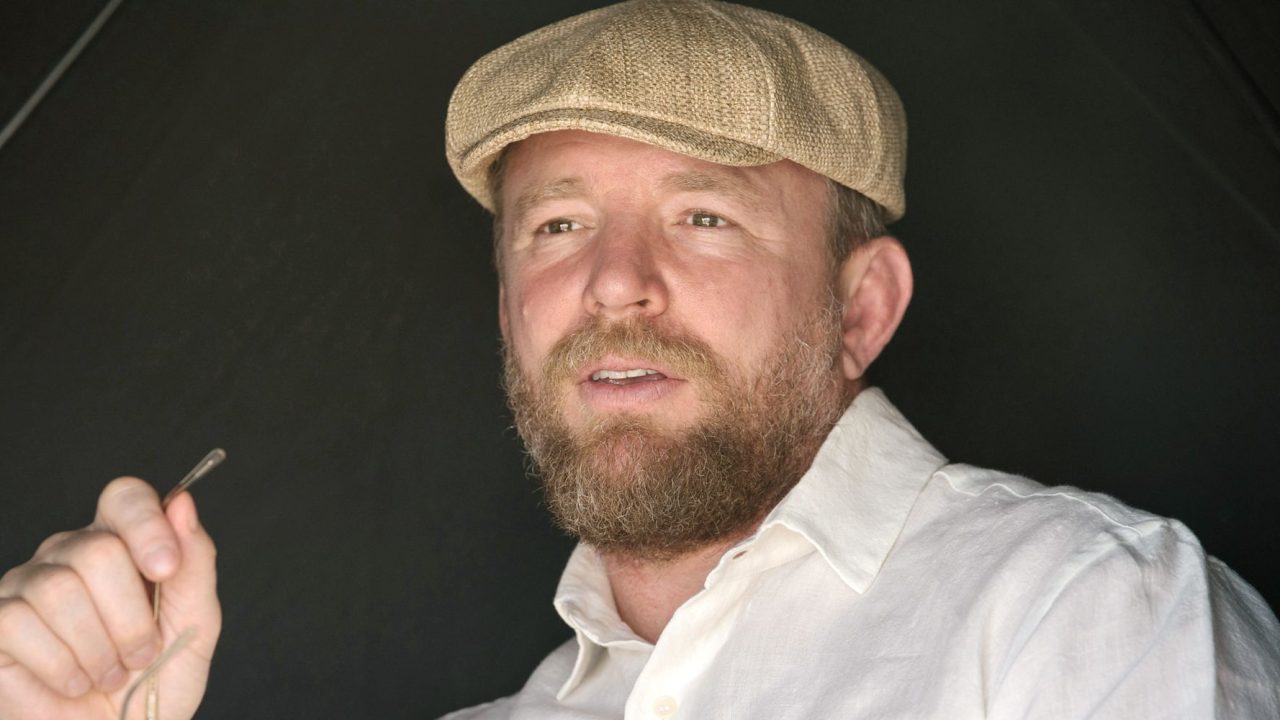
Guy Ritchie is having a moment — and it turns out that moment has been building for years. While audiences and critics marvel at the filmmaker’s recent productivity, one chapter of his career keeps quietly resurfacing on streaming platforms: his 2019 live-action remake of Aladdin, which continues to find new fans nearly seven years after its theatrical release.
What makes this particularly interesting is where Ritchie was in his career when he took the job. He wasn’t always the busy studio director he is today. Something shifted in the 2010s, and that shift set the stage for one of the more surprising commercial stories in recent Disney history.
The Aladdin remake’s enduring appeal on Disney+ is a reminder that box office performance and long-term cultural staying power don’t always move in the same direction — and that some films simply take time to find their full audience.
How Guy Ritchie Went From Indie Auteur to Studio Powerhouse
Ritchie’s pivot toward big-budget studio filmmaking didn’t happen overnight. According to reporting from Collider, it was the Sherlock Holmes franchise — beginning with the original film and continuing with Sherlock Holmes: A Game of Shadows — that marked the start of this new phase in his career. Those films proved he could handle large-scale productions without losing his kinetic, stylized touch.
That track record is what eventually led Disney to hand him the keys to one of its most beloved animated properties. Aladdin was a high-stakes assignment — a film with a passionate fanbase, iconic songs, and the enormous shadow of Robin Williams’ original Genie performance looming over every creative decision.
The fact that Ritchie not only delivered a commercially viable film but one that continues to resonate on streaming years later says something meaningful about how his sensibilities translated to the material.
Why the Aladdin Remake Qualifies as a Sleeper Hit
The term “sleeper hit” gets thrown around loosely, but in Ritchie’s case it fits. The 2019 Aladdin remake arrived amid considerable skepticism — early footage drew mockery online, concerns about the casting circulated widely, and the general critical establishment was not particularly enthusiastic about another Disney live-action remake.
And yet the film connected with audiences in ways that the pre-release discourse didn’t predict. Its continued presence on Disney+ in March 2026 — nearly seven years after its debut — reflects something genuine: people keep coming back to it, and new viewers keep discovering it for the first time.
That kind of long tail is exactly what streaming platforms are built on, and it’s exactly what separates a film with real audience affection from one that simply opened big and disappeared.
What the Film’s Streaming Life Tells Us About Guy Ritchie’s Career
Ritchie’s career trajectory is worth paying attention to as context for why Aladdin‘s streaming success matters.
His work on the Sherlock Holmes films opened the door. From there, he built a reputation as a director who could bring style and energy to franchise material without becoming invisible inside it. That reputation made him an attractive choice for Disney, even if the pairing seemed unconventional on paper.
| Film | Role in Ritchie’s Career | Significance |
|---|---|---|
| Sherlock Holmes | First major studio directing gig | Launched his big-budget phase in the 2010s |
| Sherlock Holmes: A Game of Shadows | Sequel, continued the streak | Confirmed his viability as a franchise director |
| Aladdin (2019) | Disney live-action remake | Became his biggest sleeper hit, still streaming in 2026 |
The Audience That Keeps Showing Up
There’s a specific kind of viewer the Aladdin remake seems to reach: families with young children who missed the theatrical window, adults who grew up with the animated original and approach the remake with cautious nostalgia, and younger audiences encountering the story for the first time with no prior attachment.
That breadth of appeal is hard to manufacture deliberately — it tends to emerge from films that get the emotional fundamentals right, even if the critical reception is mixed. The 2019 remake, whatever its flaws, clearly got enough right to keep pulling people in.
The film’s presence on Disney+ gives it an essentially permanent home with built-in discovery tools. Every time a family sits down to browse, every time an algorithm surfaces it as a recommendation, it has another chance to win over a new viewer. Seven years in, it’s still taking those chances — and apparently still succeeding.
What Comes Next for Guy Ritchie
The Collider piece frames the Aladdin conversation as part of a broader look at Ritchie’s ongoing productivity, noting that the internet continues to be surprised by how much he’s working. That level of output suggests a filmmaker who has fully settled into this phase of his career rather than treating it as a temporary detour.
For audiences, the more immediate takeaway is simpler: if you haven’t revisited Aladdin recently — or never gave it a fair shot the first time — it’s sitting right there on Disney+, still charming people who weren’t expecting to be charmed.
That, more than any opening weekend number, is probably the most honest measure of what the film accomplished.
Frequently Asked Questions
What is Guy Ritchie’s biggest sleeper hit?
According to Collider, the 2019 live-action Aladdin remake is considered Ritchie’s biggest sleeper hit, continuing to find audiences on Disney+ nearly seven years after its theatrical release.
Where can I watch the 2019 Aladdin remake?
The film is available on Disney+, where it has maintained a consistent streaming presence as of March 2026.
How did Guy Ritchie get the job directing Aladdin?
Ritchie built his reputation as a studio director through the Sherlock Holmes franchise, beginning with the original film and its sequel A Game of Shadows, which established him as a viable big-budget filmmaker.
When did Guy Ritchie’s big-studio career begin?
Based on
Was the Aladdin remake well-received by critics?
Is Guy Ritchie still actively making films?
Yes — the Collider reporting notes that the internet continues to be amazed by Ritchie’s productivity, suggesting he remains one of the more active directors working in studio filmmaking today.

Leave a Reply