
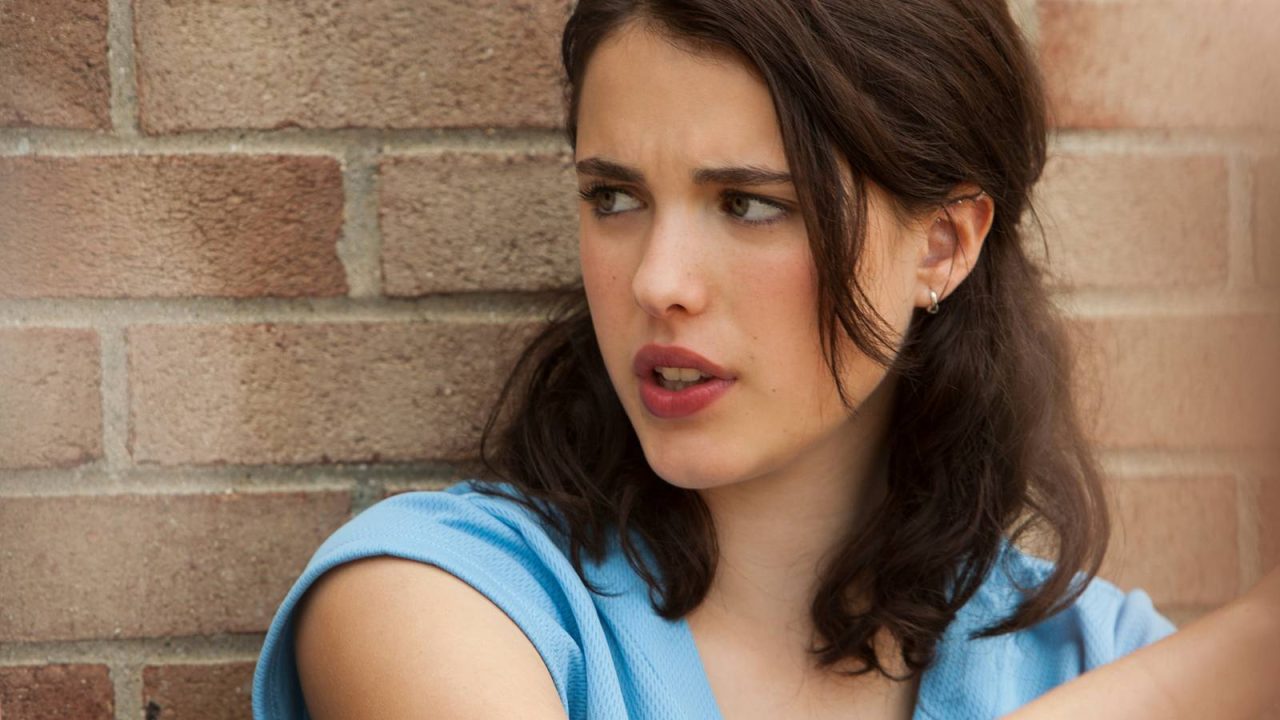
Some TV shows entertain you for a season and fade from memory. Others quietly rewire the way an entire genre thinks about itself. Nearly a decade after its finale, HBO’s The Leftovers appears to belong firmly in the second category — a three-season series that continues to cast a long shadow over prestige mystery television.
The show, which ran from 2014 to 2017, was never a mainstream ratings phenomenon. But among writers, critics, and serious television viewers, its reputation has only grown since it ended. The conversation around its influence on the mystery genre has picked up again in recent years, as a new wave of emotionally ambitious, question-driven dramas has arrived on streaming platforms and premium cable.
So what exactly did The Leftovers do that still matters? And why are people still talking about a three-part HBO series that never fully explained its central mystery?
What The Leftovers Actually Was
Based on Tom Perrotta’s 2011 novel of the same name, The Leftovers was created by Perrotta and Damon Lindelof — the latter already well known for his work on Lost. The premise was stark and strange: two percent of the world’s population has inexplicably vanished. The show was not about solving that disappearance. It was about the people left behind.
That distinction turned out to be everything. Most mystery-driven television at the time was structured around the promise of an answer. Audiences were trained to expect resolution. The Leftovers refused that contract almost from the beginning, choosing instead to sit inside grief, confusion, and the deeply human need to make meaning out of chaos.
The series starred Justin Theroux, Carrie Coon, Amy Brenneman, Christopher Eccleston, Liv Tyler, and Ann Dowd, among others. It ran for three seasons — the first set in a fictional New York suburb, the second relocating largely to Texas, and the third jumping to Australia for its finale. Each season felt like a deliberate reinvention, which was itself unusual for prestige drama at the time.
Why the Mystery Genre Took Notice
The Leftovers arrived during a period when mystery television was often criticized for prioritizing plot mechanics over emotional depth. Shows would build elaborate mythologies and then struggle — sometimes catastrophically — to pay them off. The Leftovers offered a different model entirely.
Rather than treating mystery as a puzzle to be solved, the show used an unanswerable central question as a pressure system. The disappearance was never explained because, the show argued, that explanation was never really the point. What mattered was how human beings respond when the world stops making sense.
That approach has influenced a noticeable strand of prestige television in the years since. Shows that prioritize emotional truth over plot resolution, that allow their mysteries to remain genuinely open, and that treat grief and collective trauma as worthy dramatic subjects all owe something to the template The Leftovers established.
Three Seasons, Three Distinct Tones
One of the most unusual things about The Leftovers was how dramatically it evolved across its run. Each season had a different visual identity, a different emotional register, and a different relationship to hope.
| Season | Primary Setting | Dominant Tone | Notable Shift |
|---|---|---|---|
| Season 1 | Mapleton, New York | Bleak, suffocating grief | Established the world and its rules |
| Season 2 | Jarden, Texas | Stranger, more surreal | Relocated cast, expanded mythology |
| Season 3 | Australia | Darkly comedic, transcendent | Pursued emotional resolution over plot answers |
This willingness to reinvent itself season by season — rather than simply continuing an established formula — was itself a kind of argument about what serialized television could do. It treated each season almost as a distinct act in a longer work, which has since become a more common approach in ambitious limited and anthology-adjacent series.
The Carrie Coon Effect and the Show’s Lasting Cultural Footprint
One concrete legacy of The Leftovers is what it did for the careers of its cast. Carrie Coon, in particular, delivered a performance across the show’s run that is still regularly cited as among the finest in prestige television history. Her work on the series helped establish her as one of the most sought-after dramatic actors working today.
The show also helped cement Damon Lindelof’s reputation as a writer willing to engage seriously with questions of faith, meaning, and collective trauma — themes he carried forward into his later HBO project, Watchmen, which arrived in 2019 and was widely praised using many of the same critical frameworks that had been applied to The Leftovers.
Beyond individual careers, the show contributed to a broader shift in how critics and audiences evaluate mystery-driven television. The question is no longer simply “did it stick the landing?” but also “did it earn its ambiguity?” That is a standard The Leftovers helped establish.
Why the Conversation Is Happening Again Now
Nine years after its finale, The Leftovers keeps resurfacing in critical conversations — partly because the mystery genre it helped reshape is more crowded and competitive than ever. As streaming platforms continue to greenlight high-concept, emotionally ambitious dramas, the series functions as a kind of benchmark.
Shows that lean into unresolved mystery, that center collective grief, or that ask audiences to sit with discomfort rather than demanding narrative payoff are frequently measured against what The Leftovers did first and, many argue, best.
Its three-season structure — compact enough to feel intentional, expansive enough to develop genuine depth — also looks increasingly wise in an era when many prestige dramas either end too soon or overstay their welcome by several seasons.
Frequently Asked Questions
How many seasons does The Leftovers have?
The Leftovers ran for three seasons on HBO, airing from 2014 to 2017.
Who created The Leftovers?
The series was created by novelist Tom Perrotta, whose book inspired the show, and television writer Damon Lindelof, known for his work on Lost.
Does The Leftovers ever explain the disappearance?
No. The show deliberately chose not to explain the central mystery of why two percent of the world’s population vanished, treating the unanswered question as central to its themes.
Who stars in The Leftovers?
The ensemble cast includes Justin Theroux, Carrie Coon, Amy Brenneman, Christopher Eccleston, Liv Tyler, and Ann Dowd, among others.
Where can I watch The Leftovers?
Is The Leftovers connected to Damon Lindelof’s other work?
Lindelof went on to create the HBO series Watchmen in 2019, which shares thematic concerns with The Leftovers around trauma, grief, and collective meaning-making.

Leave a Reply