
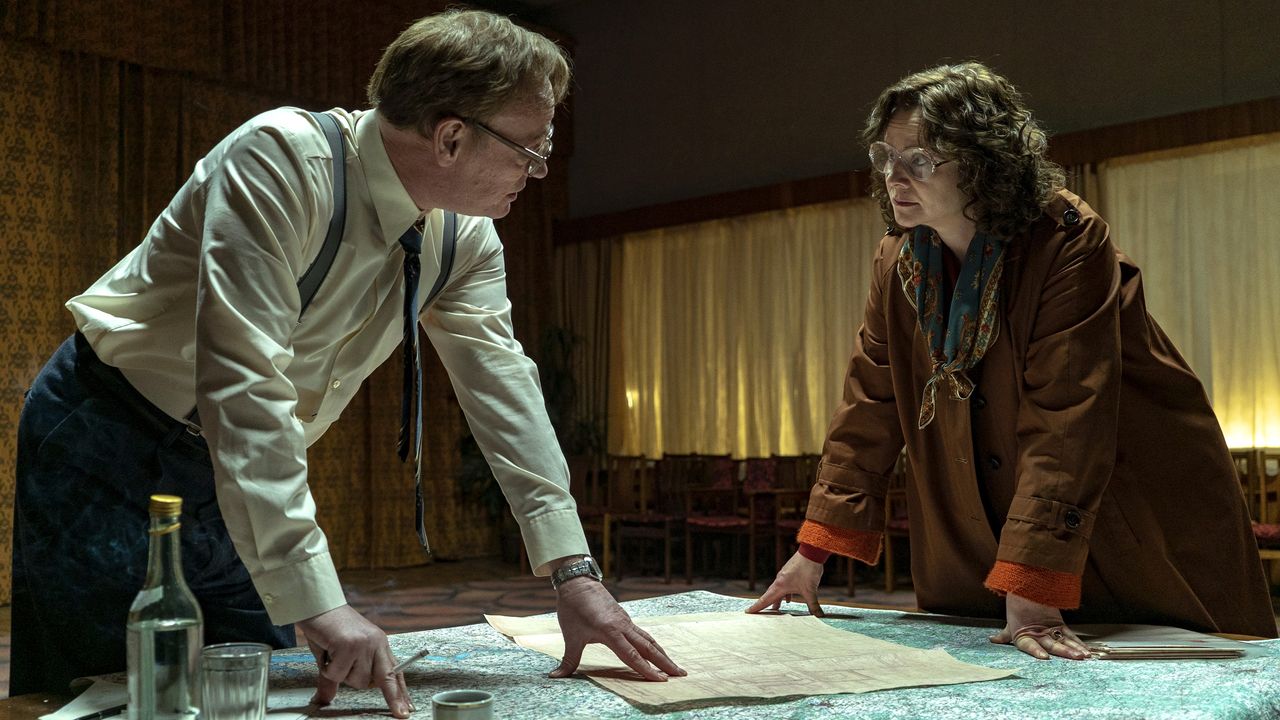
Some television is made to be rewatched. And then there is HBO’s Chernobyl — a five-part miniseries from 2019 that many viewers describe as one of the greatest things ever put on screen, and yet find themselves unable to sit through a second time.
That tension is worth paying attention to. A show can be technically brilliant, emotionally devastating, and historically essential all at once — and still leave you feeling like you’ve been wrung out and left to dry. Chernobyl is exactly that kind of television. It is, by almost any critical measure, a masterpiece. It is also genuinely difficult to watch.
If you haven’t seen it yet, or if you’ve been wondering whether it holds up years after its original release, here is everything you need to know before you press play.
What HBO’s Chernobyl Actually Is
Chernobyl is a historical fiction miniseries that aired on HBO in 2019. It tells the story of the April 1986 nuclear disaster at the Chernobyl Nuclear Power Plant in Soviet Ukraine — widely considered the worst nuclear accident in history — and the desperate, often fatal efforts to contain it.
The series spans five episodes, each one building the pressure and the human cost of what happened in the days, weeks, and months after the explosion. It is not a thriller in the conventional sense. There are no car chases, no last-minute rescues that feel triumphant. The dread is quieter and more persistent than that.
What makes it historical fiction rather than strict documentary is the way it constructs scenes, dialogue, and composite characters to serve the narrative — while remaining grounded in the real events and real consequences of the disaster. The show is meticulous about the science, the Soviet bureaucracy, and the human toll, even where it takes creative license with specific conversations.
Why Critics and Audiences Called It a Masterpiece
When Chernobyl premiered, it didn’t just perform well — it became a cultural moment. Viewers and critics alike responded to the way it handled an almost unimaginable catastrophe with restraint and specificity rather than spectacle.
The series is notable for several qualities that are rarely found together in prestige television:
- A commitment to showing the physical reality of radiation exposure without flinching or sensationalizing
- A portrait of Soviet institutional dysfunction that feels chillingly relevant to any era of bureaucratic cover-up
- Character work that makes you feel the weight of individual decisions against an enormous systemic backdrop
- A final episode that functions almost like a courtroom procedural, laying out exactly what went wrong and why
- A tone that never lets the viewer feel comfortable or reassured
That last point is, in many ways, why the show is so hard to revisit. It offers no catharsis. The disaster happened. People died — many of them slowly and painfully. The system that allowed it to happen continued. The show does not soften any of that.
The “You Can Only Watch It Once” Problem
There is a specific category of great art that people love but cannot return to easily. Schindler’s List lives there. Certain war films. Certain novels. Chernobyl has firmly taken up residence in that space.
The reason is not that the show is badly made — quite the opposite. It is so well made, and so committed to the emotional truth of what it depicts, that watching it again means knowingly walking back into that experience with full awareness of what is coming. There is no discovery to cushion the blow the second time. Only the weight of knowing.
Viewers who have revisited the series often report that individual scenes — particularly those involving the first responders and the liquidators sent to manage the fallout — become harder to watch on a rewatch, not easier. The craft is still there. But so is everything else.
This is actually a mark of quality, not a flaw. Television that leaves a permanent impression is rarer than television that simply entertains and disappears.
How It Compares to the Rest of HBO’s Miniseries Library
HBO has a long and genuinely impressive track record with limited series. The platform has produced acclaimed miniseries across genres for decades, and its catalog on Max represents one of the strongest collections of short-form prestige television available anywhere.
| Series | Year | Episodes | Genre |
|---|---|---|---|
| Chernobyl | 2019 | 5 | Historical Fiction / Drama |
| The Night Of | 2016 | 8 | Crime Drama |
| Band of Brothers | 2001 | 10 | Historical War Drama |
| Sharp Objects | 2018 | 8 | Psychological Thriller |
| The Outsider | 2020 | 10 | Supernatural Thriller |
Among that group, Chernobyl stands out not because the others are lesser work, but because it occupies a unique position: a series about real events, real people, and real ongoing consequences that still affect the world today.
Should You Watch It — and What to Expect If You Do
If you have not seen Chernobyl, the honest answer is yes — you should watch it. It is the kind of television that expands what you think the medium is capable of. It is educational without being dry, dramatic without being manipulative, and historically grounded without being a lecture.
But go in prepared. This is not background television. It demands your full attention and, in return, gives you something genuinely unforgettable. Clear an evening for each episode if you can. The pacing rewards patience.
And if you finish it and feel exhausted and hollowed out — that is the correct response. That feeling means it worked.
Frequently Asked Questions
What is HBO’s Chernobyl about?
It is a five-part historical fiction miniseries from 2019 that dramatizes the 1986 Chernobyl nuclear disaster in Soviet Ukraine and the human effort to contain it.
Is Chernobyl still available to watch on HBO Max?
The series originally aired on HBO in 2019 and has been available on HBO’s streaming platform, though availability may vary by region.
Why do people say you can only watch Chernobyl once?
The series is so emotionally intense and unflinching in its depiction of the disaster’s human toll that many viewers find it too heavy to revisit, even though they consider it exceptional television.
Is Chernobyl historically accurate?
It is described as historical fiction, meaning it is grounded in real events and real consequences while using creative elements such as constructed dialogue and composite characters to serve the narrative.
How long is the Chernobyl miniseries?
It consists of five episodes, making it one of the more compact prestige miniseries in HBO’s catalog.
Is Chernobyl considered one of HBO’s best miniseries?
Many critics and viewers regard it as arguably the best miniseries in HBO’s library, which is widely considered one of the strongest collections of limited-series television available anywhere.



Leave a Reply