
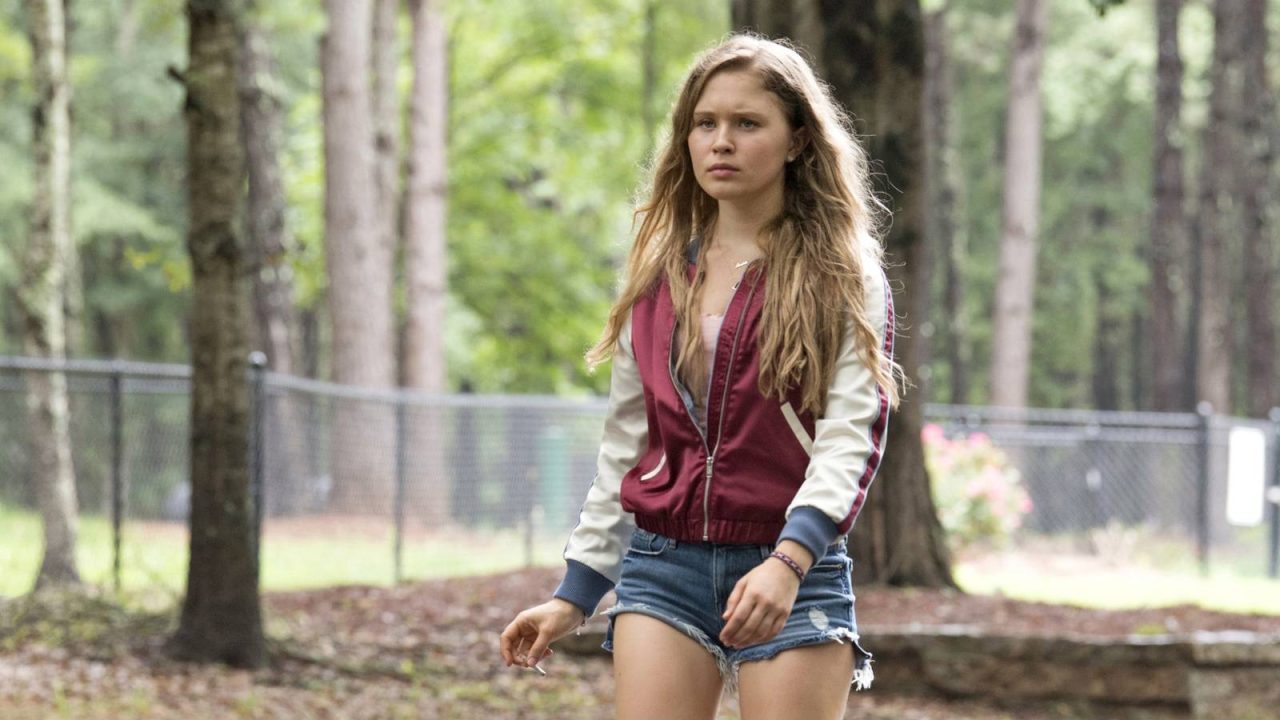
If you’ve just finished a gripping psychological thriller on Netflix and you’re already hunting for something that hits the same nerve, HBO’s Sharp Objects might be exactly what you need next — and its near-perfect critical score suggests you won’t be disappointed.
The eight-part limited series has been circulating in recommendation threads and watchlists as an ideal substitute for Netflix hits built around dark domestic secrets, unreliable narrators, and slow-burn tension. With a Rotten Tomatoes score that sits close to the top of the chart for prestige television, Sharp Objects isn’t a hidden gem so much as an underseen one — the kind of show that rewards patient viewers willing to sit with discomfort.
For anyone who hasn’t seen it yet, now is a genuinely good time to revisit why this series earned the reputation it has.
What Sharp Objects Is Actually About
Sharp Objects is an HBO limited series adapted from Gillian Flynn’s debut novel of the same name. Flynn is best known for writing Gone Girl, and the DNA of that book — women with buried trauma, small towns with suffocating secrets, and a mystery that keeps shifting beneath your feet — runs through every episode of this show.
The series follows Camille Preaker, a journalist who returns to her small Missouri hometown of Wind Gap to cover the murders of two young girls. What she finds isn’t just a crime story. It’s a collision with her own fractured past, her domineering mother, and a community that has spent decades hiding things in plain sight.
It’s the kind of psychological thriller that isn’t really about the mystery at its center — it’s about the people orbiting it, and what those people are willing to do to protect the version of themselves they’ve built for public consumption.
Why the Critical Reception Places It Among the Best Limited Series on TV
Sharp Objects holds a near-perfect score on Rotten Tomatoes, placing it in rare company among prestige limited series. That kind of critical consensus doesn’t happen by accident. Reviewers consistently pointed to the show’s atmosphere, its refusal to rush toward resolution, and the central performance holding it all together as reasons it stands apart from the crowded field of prestige crime dramas.
The series was directed entirely by Jean-Marc Vallée, the filmmaker behind Big Little Lies, another HBO limited series that became a cultural moment. His approach to Sharp Objects — fragmented editing, dreamlike flashbacks woven into present-day scenes, a visual language that mirrors the protagonist’s fractured mental state — gave the show a texture that felt genuinely cinematic rather than episodic.
| Series | Network | Episodes | Genre | Rotten Tomatoes Score |
|---|---|---|---|---|
| Sharp Objects | HBO | 8 | Psychological Thriller / Limited Series | Near-Perfect |
Note: The specific Rotten Tomatoes figure was described in the source as “near-perfect” rather than a precise number, and that characterization is reflected above.
The Netflix Connection — Why Sharp Objects Fills That Gap
The comparison to Netflix’s His and Hers is the spark behind the current wave of recommendations. Viewers who connected with that series — its domestic unease, its slow reveal of what’s really happening beneath the surface of an ordinary-seeming life — have been pointed toward Sharp Objects as the natural next watch.
The thematic overlap is significant. Both shows deal with women navigating environments where they are underestimated, where the truth is buried under layers of social performance, and where the most dangerous threats often come from inside the home rather than outside it. That’s a specific kind of storytelling that a particular audience craves, and Sharp Objects delivers it with more critical backing than most.
The fact that Sharp Objects is a contained, eight-episode experience also works in its favor. There’s no waiting for a second season, no cliffhanger that leads nowhere. It tells a complete story with a beginning, a middle, and an ending — including a post-credits sequence in the finale that has been discussed and debated since the show first aired in 2018.
What Makes It Worth Watching Right Now
Beyond the critical score and the thematic similarities to current Netflix hits, Sharp Objects has a few specific qualities that make it worth prioritizing:
- It is a complete story. Eight episodes, one season, no loose threads left dangling for a renewal that never comes.
- The direction is genuinely distinctive. Jean-Marc Vallée’s visual approach makes the show feel different from standard prestige TV crime drama.
- It is based on source material with a proven track record. Gillian Flynn’s novels have consistently translated well to screen adaptations.
- The finale has real staying power. The ending — particularly its post-credits moment — is the kind that viewers talk about long after watching.
- It rewards a second viewing. Like many psychological thrillers, what you notice on a rewatch changes significantly once you know where the story is going.
Where the Show Fits in the Larger Landscape of Prestige Psychological Thrillers
Sharp Objects arrived in 2018, the same general era that gave audiences Big Little Lies, The Sinner, and eventually Mare of Easttown. That wave of prestige crime dramas — most of them centered on women, most of them more interested in psychology than procedural mechanics — redefined what a limited series could do on premium cable and streaming.
Sharp Objects belongs in that conversation. It isn’t a show that got lost — it was well-reviewed and discussed at the time — but it has perhaps been underappreciated in the years since, as newer entries in the genre have captured attention. The current recommendation cycle, driven by viewers looking for a follow-up to Netflix hits like His and Hers, is a reasonable moment to revisit it or discover it for the first time.
If you’re the kind of viewer who can tolerate a slow build and prefers psychological complexity over jump scares and plot twists for their own sake, this is eight hours of television that earns every minute.
Frequently Asked Questions
What is Sharp Objects?
Sharp Objects is an eight-part HBO limited series adapted from Gillian Flynn’s debut novel. It follows a journalist who returns to her hometown to cover a series of murders and confronts her own traumatic past in the process.
How many episodes does Sharp Objects have?
The series consists of eight episodes, making it a self-contained limited series with no additional seasons.
Who created or directed Sharp Objects?
The series was directed by Jean-Marc Vallée, who also directed HBO’s Big Little Lies. It is based on the novel by Gillian Flynn, the author of Gone Girl.
Why is Sharp Objects being compared to Netflix’s His and Hers?
Both shows share thematic ground — domestic unease, women navigating dangerous environments, and slow-burn psychological tension — making Sharp Objects a natural recommendation for viewers who responded to the Netflix series.
What is Sharp Objects’ Rotten Tomatoes score?
The series holds a near-perfect score on Rotten Tomatoes, placing it among the most critically acclaimed limited series in recent television history. A specific figure was not confirmed in
Is Sharp Objects worth watching if you haven’t seen it yet?
Based on its critical reception, its complete eight-episode structure, and its thematic relevance to current popular psychological thrillers, it is widely regarded as one of the stronger limited series in the prestige crime drama genre.


Leave a Reply