
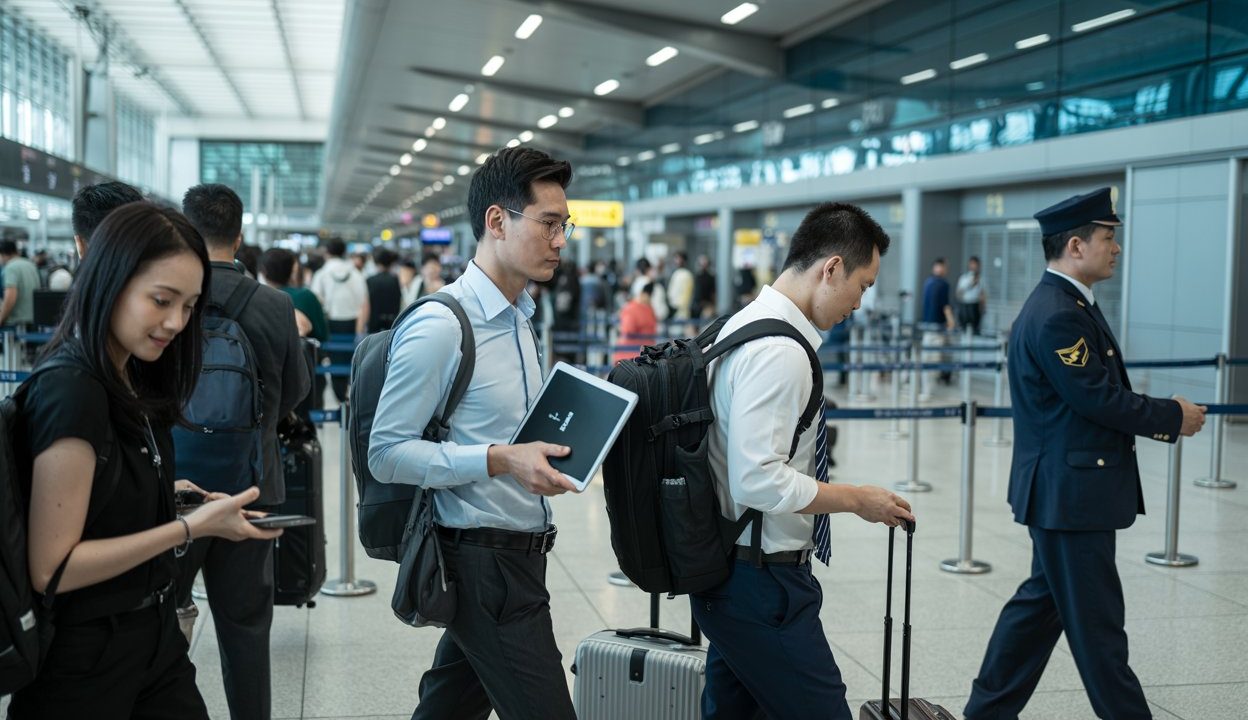
Travelers heading to Hong Kong are facing a new reality at the border: hand over your device passwords when asked, or risk detention and fines. A law that went into effect earlier this year now requires anyone entering Hong Kong to provide passwords for their electronic devices — smartphones, laptops, tablets, and other portable gadgets — upon request from authorities. For millions of international visitors, that changes everything about how they pack, plan, and travel.
The law has sparked significant concern among frequent travelers, business professionals, journalists, and privacy advocates worldwide. Whether you’re visiting for a weekend layover, a business trip, or a longer holiday, understanding what this law means for you is no longer optional.
Hong Kong has long drawn visitors with its iconic skyline, dense street markets, and position as one of Asia’s most dynamic transit hubs. But this new legal requirement adds a layer of complexity that travelers simply didn’t have to think about before.
What the Hong Kong Device Password Law Actually Requires
The law is straightforward in its language, even if its implications are anything but simple. Any traveler entering Hong Kong can be asked by border authorities to provide the passwords or access credentials for their electronic devices. This applies to all portable technology — your phone, your work laptop, your tablet, and similar devices.
Refusing to comply is not treated as a minor inconvenience. Under the law, failure to hand over passwords when requested can result in detention or fines. Officials have framed the measure as a security tool aimed at preventing the illegal circulation of data, though critics argue the scope is far broader than that justification warrants.
The law does not appear to distinguish between tourists, business travelers, journalists, or transit passengers. If you’re passing through Hong Kong’s borders, you’re subject to it.
Key Facts Every Traveler Needs to Know Before Visiting Hong Kong
Here’s what the law covers and what travelers should be aware of before arrival:
- The requirement applies to all electronic devices, including smartphones, laptops, and tablets
- Authorities can request device passwords at the point of entry into Hong Kong
- Non-compliance can lead to detention or financial penalties
- The stated purpose of the law is security and preventing illegal data circulation
- The law applies to all international travelers, regardless of nationality or purpose of visit
- The law went into effect earlier in 2026
| Device Type | Covered by Law | Consequence of Non-Compliance |
|---|---|---|
| Smartphones | Yes | Detention or fines |
| Laptops | Yes | Detention or fines |
| Tablets | Yes | Detention or fines |
| Other portable devices | Yes | Detention or fines |
Why This Is Drawing So Much Controversy
Privacy advocates and civil liberties organizations have raised serious objections to the law. The core concern is that handing over device passwords gives authorities access to far more than security-relevant data — personal messages, financial information, professional communications, and sensitive contacts can all be exposed in a single unlock.
For journalists, lawyers, and business travelers carrying confidential information, the stakes are especially high. A device password isn’t just a key to a phone — it’s a key to everything stored on it and, in many cases, everything accessible through it via cloud services and linked accounts.
Critics of the law contend that it sets a troubling precedent and that the broad framing — covering any traveler, any device, at any point of entry — leaves little room for legitimate privacy protections. Supporters argue the measure is a necessary tool for maintaining security in a complex geopolitical environment.
How This Affects You as a Traveler in 2026
If you’re planning a trip to Hong Kong, the practical implications are real and immediate. Many travelers are now rethinking what devices they bring, what data they store locally, and whether certain trips are worth the risk.
Business travelers carrying proprietary company data face particular exposure. A single border inspection could theoretically grant authorities access to trade secrets, client communications, or legally protected information — with no clear mechanism for travelers to object.
Leisure travelers aren’t off the hook either. Personal photos, private messages, banking apps, and social media accounts are all accessible the moment a device is unlocked.
What Happens Next for Travelers and the Law
The law is already in effect, which means travelers heading to Hong Kong right now are subject to it. There is no grace period, and there is no confirmed exemption process for business or professional travelers as of this writing.
Travel advisories from various countries are expected to address the law as awareness grows. Travelers are increasingly being advised to consider traveling with clean or temporary devices — phones and laptops with no sensitive data stored locally — when visiting jurisdictions with device search laws.
Whether legal challenges or diplomatic pressure will alter the scope or enforcement of Hong Kong’s new requirement remains to be seen. For now, the law stands, and any traveler crossing into Hong Kong should be prepared for the possibility of a device password request at the border.
The broader question — how far border security powers should extend into the digital lives of travelers — is one that governments and courts around the world are actively wrestling with. Hong Kong’s law puts that question front and center for anyone with a flight booked to the city.
Frequently Asked Questions
Does the Hong Kong device password law apply to tourists?
Yes. The law applies to all travelers entering Hong Kong, including tourists, business travelers, and transit passengers, regardless of nationality.
Which devices are covered under the new Hong Kong law?
The law covers smartphones, laptops, tablets, and other portable electronic devices that travelers carry with them at the border.
What happens if I refuse to give my password to Hong Kong border authorities?
Under the law, failure to comply with a request for device passwords can result in detention or fines.
When did the Hong Kong device password law come into effect?
The law went into effect earlier in 2026 and is currently being enforced at points of entry into Hong Kong.
Why did Hong Kong introduce this law?
Officials have stated the law is aimed at ensuring security and preventing the illegal circulation of data, though critics argue the scope raises serious privacy concerns.
Should I leave my regular devices at home when traveling to Hong Kong?
This has not been officially confirmed as a requirement, but many privacy advocates suggest travelers consider carrying clean or temporary devices with no sensitive personal or professional data stored locally.




Leave a Reply