
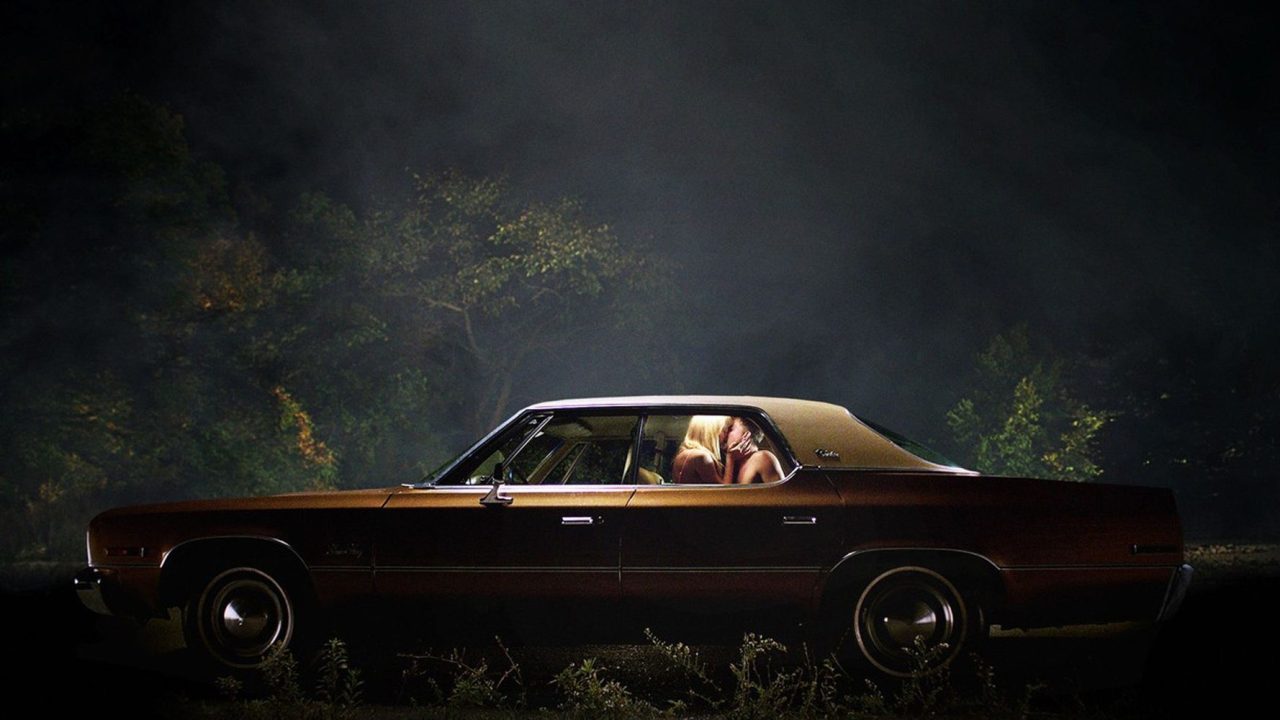
Horror movies have been on a remarkable creative run. Since It Follows arrived in 2014 and redefined what a low-budget, idea-driven horror film could accomplish, the genre has produced some of the most discussed, debated, and genuinely frightening films in decades. The question isn’t whether horror is having a moment — it’s which films from that era deserve to be remembered as the greatest.
That’s a conversation worth having carefully, because the past decade-plus of horror has been genuinely crowded with strong contenders. Picking just ten means leaving things out that some fans will find unforgivable. But the films that belong on any serious list share something in common: they use fear to say something real.
Because the full list and detailed film-by-film analysis from that article were not available in the
Why It Follows Became the Benchmark for Modern Horror
It Follows, directed by David Robert Mitchell and released in 2014, is widely credited by critics and filmmakers as one of the films that signaled a new direction for horror. Made on a small budget, it relied on atmosphere, dread, and a genuinely original premise rather than jump scares or franchise mechanics. Its critical and commercial success proved that audiences were hungry for smarter, more unsettling horror experiences.
That success helped open doors. The years that followed saw a wave of horror films that took similar creative risks — films built around ideas, not just scares. Directors who might previously have struggled to get funding found that the genre was newly hospitable to ambition.
The Films Most Frequently Cited as the Best Horror Since 2014
While the specific ranked list from the Collider article could not be fully verified from the 5 million budget
| Film | Year | Director | Notable Recognition |
|---|---|---|---|
| Get Out | 2017 | Jordan Peele | Academy Award — Best Original Screenplay |
| Hereditary | 2018 | Ari Aster | Widely ranked among best horror films of the decade |
| The Witch | 2015 | Robert Eggers | Sundance Film Festival premiere; strong critical acclaim |
| A Quiet Place | 2018 | John Krasinski | Academy Award nomination — Best Sound Editing |
| Midsommar | 2019 | Ari Aster | Cult following; Director’s Cut widely praised |
| Barbarian | 2022 | Zach Cregger | Strong word-of-mouth; major streaming success |
What These Films Have in Common
The horror films that have resonated most since 2014 tend to share a few qualities. They are almost always built around a central idea or metaphor — grief, racism, grief again, isolation, control, surveillance. The monster, when there is one, is rarely just a monster.
Many of them also came from first-time or early-career directors. Ari Aster, Robert Eggers, Jordan Peele, Zach Cregger — all of them made their most celebrated horror work early in their careers, which says something about how the genre rewards fresh perspectives and genuine personal investment.
Budget is another pattern. Several of these films were made for well under $10 million and returned multiples of that at the box office, which has encouraged studios and streamers to keep funding original horror rather than relying entirely on sequels and remakes.
Why This Era of Horror Matters Beyond the Genre
Horror has always functioned as a mirror for cultural anxiety, but the films of the past decade have been unusually direct about it. Get Out addressed racial terror so precisely that it sparked genuine cultural conversation far outside traditional film circles. Hereditary used grief and family trauma in ways that felt almost therapeutic for some viewers. A Quiet Place was read widely as a film about parenthood and protection.
That crossover quality — horror films that non-horror fans will sit through and talk about afterward — is relatively rare. The fact that so many films from this era achieved it suggests something genuinely different was happening in the genre, not just a marketing trend.
Whether the specific ten films chosen by Collider’s list match your own ranking is almost beside the point. The more interesting question is what it means that horror, of all genres, became the place where some of the most original filmmaking of the past decade happened to land.
Frequently Asked Questions
What film does the Collider list use as its starting point for modern horror?
It Follows, the 2014 film directed by David Robert Mitchell, is used as the benchmark for the modern horror renaissance the list examines.
Which horror film from this era won an Academy Award?
Jordan Peele’s Get Out (2017) won the Academy Award for Best Original Screenplay.
Are the specific ten films on the Collider list confirmed in
What do most of the best horror films since 2014 have in common?
Critics and observers frequently note that the most praised horror films of this era use fear as a vehicle for exploring real social or emotional themes, rather than relying solely on traditional scare mechanics.
Why is It Follows considered significant to modern horror?
The film demonstrated that a low-budget, idea-driven horror film could achieve both critical acclaim and commercial success, helping to encourage a wave of more ambitious genre filmmaking in the years that followed.
Is this Collider list a definitive ranking?
No ranked list of this kind is definitive — horror fans and critics frequently disagree on which films belong, and the genre has produced enough strong work since 2014 that reasonable people will always dispute any top ten.

Leave a Reply