
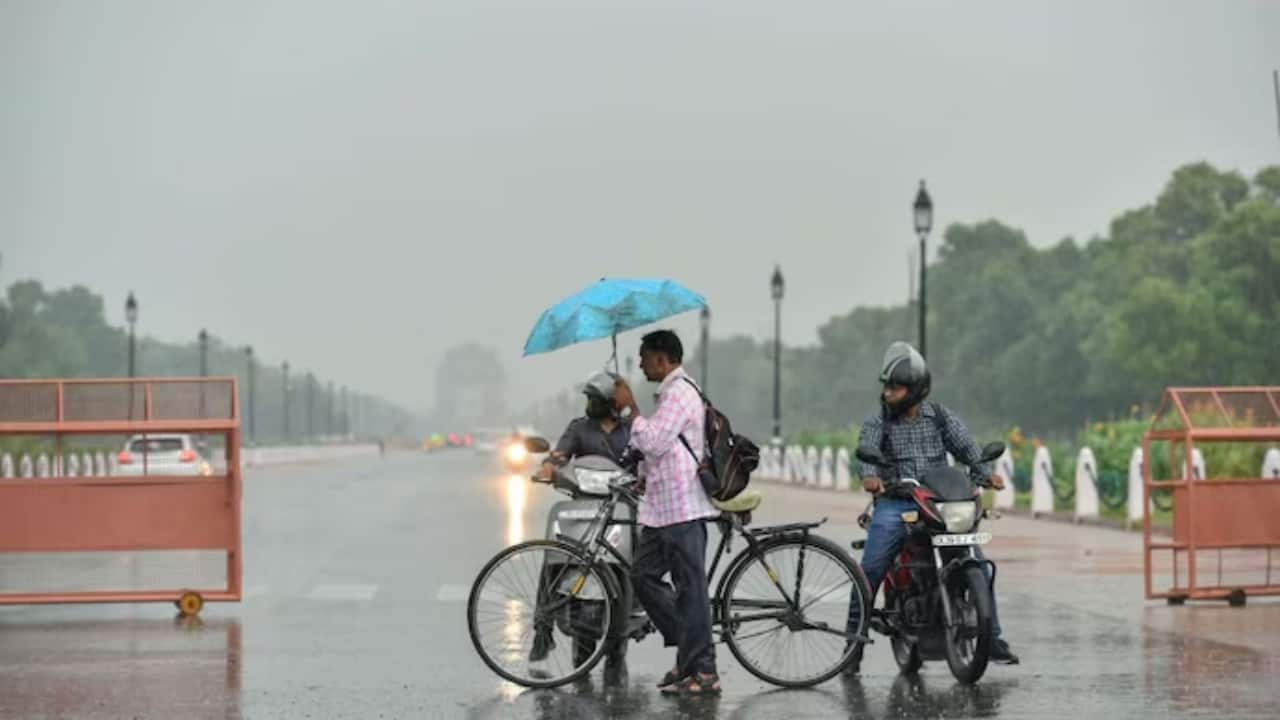
India’s weather agency has put millions of people on alert. The India Meteorological Department (IMD) has issued a severe weather warning covering multiple states, with heavy rainfall expected on the 27th and 28th of this month. For anyone planning to travel, commute, or simply go about daily life in the affected regions, this forecast carries real consequences.
The warning isn’t routine. The IMD has classified this as a severe weather event — the kind that brings flash floods, landslides, and waterlogging to low-lying areas. That means disruptions won’t just be inconvenient. In vulnerable zones, they can be dangerous.
Here’s what the IMD has confirmed, which states are in the firing line, and what you should do before those two days arrive.
What the IMD Is Actually Warning About
The India Meteorological Department has flagged a significant weather disturbance set to move across multiple parts of the country. The forecast covers the 27th and 28th, with heavy rainfall expected to hit a range of states that are already known for their sensitivity to intense rain events during this period of the year.
The department’s classification of this as a “severe weather” event signals that this goes beyond typical seasonal showers. Warnings have been specifically tied to three key hazards: flash floods, landslides, and waterlogging in low-lying areas. Each of these carries its own set of risks — for people at home, on the roads, and especially for those traveling between states.
Weather alerts of this severity are taken seriously by state disaster management authorities, who typically coordinate emergency response teams, issue evacuation advisories for high-risk zones, and place drainage and flood control infrastructure on standby.
Which States Are Under the IMD Severe Weather Warning
The IMD has identified several states as likely to bear the heaviest impact from this weather system. These are regions that frequently experience intense rainfall events and where the infrastructure and terrain can make flooding and landslides a serious concern.
- Maharashtra — including coastal and ghat regions prone to waterlogging and landslides
- Kerala — a state with a well-documented history of severe flood events during heavy rain periods
- Tamil Nadu — particularly low-lying coastal and urban areas vulnerable to inundation
- Karnataka — including hilly districts where landslide risk rises sharply during heavy rain
- Andhra Pradesh — river basin areas and coastal zones likely to see elevated water levels
- West Bengal — where heavy rain can rapidly overwhelm drainage systems in urban and rural areas alike
Residents and travelers in all of these states should treat the next 48-hour window as a period requiring active caution, not passive awareness.
A Closer Look at the Risks by Hazard Type
| Hazard Type | Most Likely Affected Zones | Primary Risk |
|---|---|---|
| Flash Floods | River basins, low-lying urban areas | Rapid inundation with little warning time |
| Landslides | Hilly and ghat regions (Kerala, Karnataka, Maharashtra) | Road blockages, property damage, risk to life |
| Waterlogging | Urban low-lying areas across all warned states | Traffic disruption, damage to homes and vehicles |
Each hazard type demands a different kind of preparation. Flash floods require knowing your evacuation route. Landslide risk means avoiding hill roads where possible on those two days. Waterlogging, while less dramatic, can still strand commuters and damage property if drainage is overwhelmed.
How This Affects Travelers and Daily Commuters
If you have travel plans on the 27th or 28th — whether by road, rail, or air — this warning should factor into your decisions right now, not the morning of.
Road travel through ghat sections and hilly routes in Kerala, Karnataka, and Maharashtra carries elevated risk when landslide conditions are active. Even well-maintained highways can become impassable within hours when heavy rain combines with already-saturated soil.
Flights and train services can also face delays or cancellations when severe weather hits multiple regions simultaneously. Anyone traveling between the warned states during this window should check with their carrier in advance and have a contingency plan ready.
For local residents, the waterlogging risk in urban areas is the most immediate daily concern. Parking vehicles in low-lying areas, leaving drainage clear, and avoiding unnecessary travel during peak rainfall hours are all practical steps that can make a real difference.
Tourists visiting coastal or hill station areas in the affected states should pay particular attention to local authority advisories. In areas prone to flash floods and landslides, official guidance can change quickly — sometimes within hours of a weather event developing.
What You Should Do Before the 27th
The IMD alert gives people a window of preparation time that shouldn’t be wasted. Here are the practical steps worth taking now:
- Check the latest IMD updates for your specific district — state-level warnings can vary significantly from one area to another.
- If you live in a flood-prone or low-lying area, identify your nearest safe location and keep emergency contacts ready.
- Avoid scheduling non-essential travel through hilly or coastal regions on the 27th and 28th.
- Keep emergency supplies accessible — drinking water, basic food, torch, and a charged power bank.
- Follow local authority and state disaster management communications, which will provide real-time updates as the weather system develops.
The IMD’s advance warning system exists precisely to give people this kind of lead time. Using it effectively is the difference between being caught off guard and being prepared.
Frequently Asked Questions
Which states are under the IMD heavy rain warning for the 27th and 28th?
The IMD has warned Maharashtra, Kerala, Tamil Nadu, Karnataka, Andhra Pradesh, and West Bengal, among other regions, of heavy rainfall and associated hazards.
What specific hazards has the IMD flagged alongside the heavy rain?
The department has warned of flash floods, landslides, and waterlogging in low-lying areas across the affected states.
Is it safe to travel through hilly or coastal areas on those days?
The IMD has classified this as a severe weather event, and caution is strongly advised — particularly on hill and ghat roads where landslide risk is elevated during heavy rainfall.
Will flights and trains be affected by this weather system?
Disruptions to air and rail services are possible when severe weather affects multiple regions simultaneously; travelers should check with their carriers before the 27th.
How often does the IMD update its forecasts during an active weather event?
The IMD typically issues updated bulletins at regular intervals during active severe weather periods — checking their official channels daily is advisable as the dates approach.
Where can I find the most current IMD alerts for my area?
The IMD’s official website and regional meteorological centre bulletins are the most reliable sources for district-specific warnings and updates.




Leave a Reply