
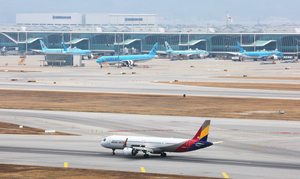
A single flight cancellation at one of Asia’s busiest airports has left dozens of passengers scrambling for alternatives, shining a light on just how quickly international travel plans can unravel. Incheon International Airport in Seoul, South Korea — a major hub connecting Northeast Asia to the rest of the world — recorded a confirmed disruption affecting the Kuala Lumpur route on March 22, 2026.
The affected flight, MAS39, operated by Malaysia Airlines on an Airbus A330, was scheduled to depart at 12:10 AM KST bound for Kuala Lumpur International Airport (KUL / WMKK). The cancellation came without advance warning for many travelers, triggering the kind of last-minute chaos that late-night international departures are particularly ill-suited to handle.
While a single cancellation may sound minor in the context of a global airport, the timing and the destination make this one worth paying attention to — especially for anyone traveling between South Korea and Southeast Asia on this route.
What Happened at Incheon Airport
Incheon International Airport, officially coded RKSI, is South Korea’s primary international gateway and one of the most consistently high-ranked airports in the world for efficiency and passenger experience. It handles thousands of international movements daily, connecting Seoul to destinations across Asia, Europe, North America, and beyond.
On this occasion, the disruption centered on Flight MAS39 — a Malaysia Airlines service linking Seoul directly to Kuala Lumpur. The route between Incheon and Kuala Lumpur International Airport is among the more well-traveled corridors in Southeast and Northeast Asian aviation, carrying a mix of business travelers, tourists, and passengers connecting onward to points across the Malaysian Airlines network.
The cancellation of a midnight departure is particularly disruptive. Passengers booked on late-night or early-morning flights often have no same-day alternatives, and airport services — including rebooking desks, hotel accommodation assistance, and transport links — operate with reduced staffing at those hours. For those who had already checked in or were en route to the airport, the disruption would have been immediate and significant.
The Flight That Was Cancelled — Key Details
Here is a breakdown of the confirmed cancellation at Incheon International Airport:
| Flight Number | Aircraft Type | Scheduled Departure | Destination | Destination Code |
|---|---|---|---|---|
| MAS39 | Airbus A330 | 12:10 AM KST | Kuala Lumpur International Airport | KUL / WMKK |
- Total cancellations recorded: 1
- Affected destination: Kuala Lumpur, Malaysia
- Operating carrier: Malaysia Airlines
- Aircraft type: Airbus A330
- Departure airport: Incheon International Airport (RKSI), Seoul, South Korea
What is confirmed is that the flight did not operate as scheduled.
Why the Seoul–Kuala Lumpur Route Matters
The Incheon–Kuala Lumpur corridor is not a minor regional hop. Kuala Lumpur International Airport is one of Southeast Asia’s largest and busiest aviation hubs, serving as a major connection point for travelers heading further into the region — including destinations across Malaysia, Indonesia, Thailand, and beyond.
When a direct flight on this route is cancelled, the knock-on effects can stretch well past the immediate inconvenience. Passengers connecting through Kuala Lumpur to onward destinations may miss those connections entirely. Business travelers with time-sensitive meetings, families with pre-booked accommodation, and tourists with tour group commitments all face real financial and logistical consequences from a single cancellation.
The Airbus A330, the aircraft type assigned to MAS39, is a wide-body jet typically configured to carry between 200 and 300 passengers depending on the airline’s layout. Even at moderate load factors, a cancellation of this type can affect a substantial number of people in one go.
What Affected Passengers Should Know
If you were booked on MAS39 departing Incheon at 12:10 AM KST on the affected date, there are standard steps that typically apply in situations like this:
- Contact Malaysia Airlines directly — either at the airport service desk, via the airline’s app, or through its customer service line — to understand rebooking options.
- Check whether the airline is offering accommodation or meal vouchers for passengers stranded overnight at Incheon. This is standard practice for carrier-initiated cancellations in many jurisdictions, though entitlements vary.
- If you booked through a third-party travel agent or online platform, contact them as well — they may have separate processes for managing disruptions.
- Review your travel insurance policy if you have one. Flight cancellations are typically a covered event, and you may be entitled to claim for additional costs incurred.
- Keep all receipts for any expenses — meals, accommodation, transport — incurred as a direct result of the disruption.
The specific rebooking options available to passengers on MAS39 have not been confirmed in Travelers should check directly with Malaysia Airlines for the most current guidance on alternative flights and compensation.
The Broader Pattern of International Flight Disruptions
This cancellation, while a single data point, reflects a pattern that aviation observers have noted across international routes in recent years. Managing long-haul schedules — particularly late-night departures that depend on aircraft arriving from earlier legs — involves a complex chain of logistics that can break down at any link.
When an inbound aircraft is delayed, when a crew hits regulatory rest limits, or when a technical issue surfaces during pre-departure checks, a cancellation can happen with very little lead time. Midnight departures are especially vulnerable because there is limited runway to find workarounds before the scheduled slot passes.
Incheon Airport itself has a strong operational track record, but no airport is immune to the upstream variables that determine whether an individual flight departs on time — or at all.
Frequently Asked Questions
Which flight was cancelled at Incheon Airport?
Flight MAS39, operated by Malaysia Airlines on an Airbus A330, was cancelled. It was scheduled to depart Incheon International Airport at 12:10 AM KST bound for Kuala Lumpur International Airport.
How many flights were cancelled in total?
According to the confirmed information, a total of one flight was cancelled at Incheon International Airport in this reported disruption.
What was the destination of the cancelled flight?
The cancelled flight MAS39 was headed to Kuala Lumpur International Airport, coded KUL or WMKK, in Malaysia.
Why was MAS39 cancelled?
The specific reason for the cancellation has not been confirmed in the available source material. Passengers should contact Malaysia Airlines directly for details.
What type of aircraft was supposed to operate MAS39?
The flight was scheduled to operate on an Airbus A330, a wide-body aircraft commonly used on medium- to long-haul international routes.
What should I do if I was booked on the cancelled flight?
Contact Malaysia Airlines directly for rebooking options and to understand what compensation or assistance may be available. Keep all receipts for any additional costs you incur as a result of the disruption.




Leave a Reply