
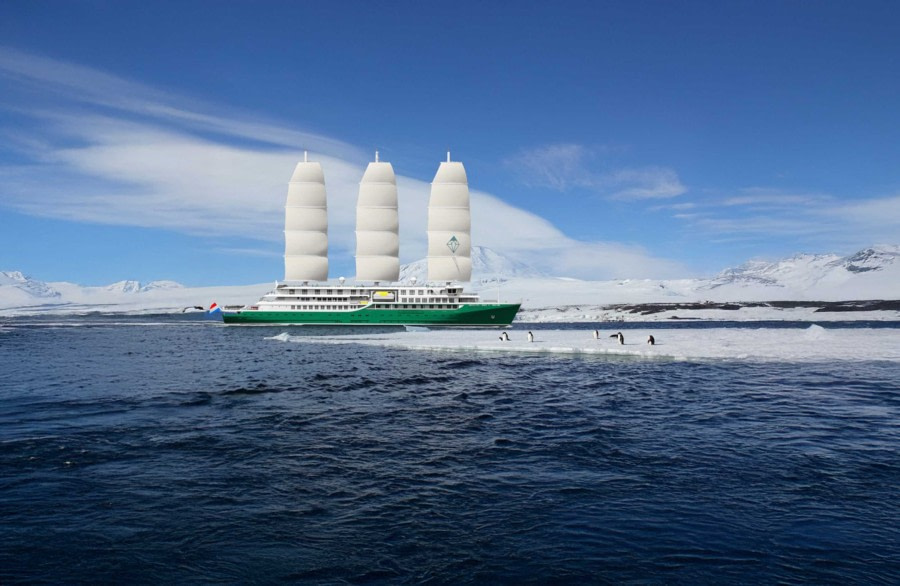
Two new expedition ships are being built specifically to carry travelers into some of the world’s most remote and fragile environments — and they’re being designed from the ground up to leave as little trace as possible. Oceanwide Expeditions has secured an exclusive contract with a shipyard for the construction of two eco-sail expedition vessels, with both ships scheduled to launch in 2027.
Each vessel will accommodate 146 guests, keeping the experience intimate by expedition cruise standards. The ships will feature hybrid propulsion systems alongside a broader suite of eco-friendly technologies, reflecting a deliberate push toward more sustainable exploration of destinations that are, by their very nature, difficult to reach and easy to damage.
For anyone who has been watching the expedition cruise sector evolve — or who has been waiting for a more responsible way to explore polar and remote regions — this announcement signals something worth paying attention to.
What Oceanwide Expeditions Is Actually Building
Oceanwide Expeditions has been operating expedition cruises for decades, taking travelers to destinations like Antarctica, the Arctic, and other wilderness regions that most cruise lines never approach. The company has built its reputation on small-ship operations — a model that allows for more flexibility, more access to remote anchorages, and a fundamentally different kind of travel experience than what large ocean liners offer.
The two new vessels represent a significant step forward in that philosophy. Rather than simply updating existing ship designs, Oceanwide has gone to the shipyard with a specific brief: build something that reflects where sustainable expedition travel needs to go next.
The hybrid propulsion systems at the heart of these ships are central to that vision. By combining traditional engine power with sail-assisted and hybrid technologies, the vessels are designed to reduce fuel consumption and emissions — particularly important when operating in pristine, ecologically sensitive regions where even minor environmental impact carries outsized consequences.
The 146-guest capacity is also a deliberate choice. Smaller ships mean smaller landing parties in sensitive areas, lower overall environmental footprints, and a more personal experience for travelers who are paying a premium to genuinely connect with the places they visit.
Key Details: What We Know About the Eco-Sail Vessels
Here is a breakdown of what has been confirmed about the two new ships and the deal behind them:
- Shipyard deal: Exclusive contract secured with a shipyard for construction of both vessels
- Vessel count: Two ships to be built under this agreement
- Guest capacity: 146 guests per vessel
- Propulsion: Hybrid propulsion systems incorporated into the design
- Sustainability features: Broader eco-friendly features beyond propulsion
- Target launch: Both ships set to enter service in 2027
- Operator profile: Oceanwide intends to remain a small, flexible expedition operator
| Feature | Detail |
|---|---|
| Number of new vessels | 2 |
| Guest capacity per ship | 146 |
| Propulsion type | Hybrid (sail-assisted and eco-hybrid systems) |
| Planned launch year | 2027 |
| Contract type | Exclusive shipyard agreement |
| Operator focus | Small-ship, flexible expedition cruising |
Why This Matters Beyond the Expedition Cruise World
The expedition cruise sector has grown rapidly over the past decade. More travelers are seeking out experiences in remote and wild places — Antarctica, the High Arctic, the sub-Antarctic islands — and the industry has responded with a wave of new ship orders. But growth in this sector comes with a real tension: the more people who visit these fragile destinations, the greater the pressure on the very ecosystems that make them worth visiting.
Oceanwide’s approach with these two vessels addresses that tension directly. By keeping guest numbers at 146 per ship, the company is signaling that scale is not the goal. The goal, as the company frames it, is to remain a small, flexible operator in the growing eco-tourism sector — one that can access places larger ships cannot, while doing so with a lighter environmental footprint.
For travelers, this matters in practical terms. Smaller ships mean more meaningful access to remote destinations, better guides-to-guest ratios, and the kind of expedition experience that larger vessels structurally cannot deliver. For the destinations themselves, it means fewer people on shore at any one time and a reduced overall impact from each voyage.
The hybrid propulsion element also carries significance beyond marketing. Operating in polar and remote regions means sailing through some of the most ecologically sensitive waters on the planet. Reducing emissions and fuel consumption in those environments is not just a brand talking point — it has direct consequences for air quality, water quality, and the wildlife that depends on both.
What Happens Next for Oceanwide and Its Passengers
With the shipyard contract now in place, the next phase is construction. Both vessels are targeting a 2027 entry into service, which means the build timeline is already underway or imminent. For travelers interested in booking expeditions aboard the new ships, 2027 represents the earliest possible window.
Oceanwide has not publicly named the shipyard involved in the deal, and specific itineraries for the new vessels have not yet been announced. What is clear is that the company intends these ships to serve its core mission: taking small groups of travelers into remote, pristine destinations in a way that respects and preserves those places.
The broader expedition cruise market will be watching. As sustainability becomes an increasingly important factor for travelers choosing between operators, vessels designed specifically around hybrid propulsion and eco-friendly principles represent a meaningful point of differentiation. Whether other expedition operators follow with similar commitments remains to be seen — but Oceanwide has moved first on this particular design philosophy at scale.
For anyone planning a polar or remote expedition voyage in 2027 or beyond, these two ships are worth tracking closely as more details about itineraries and bookings become available.
Frequently Asked Questions
How many guests will each new Oceanwide eco-sail vessel carry?
Each of the two new vessels is designed to accommodate 146 guests per voyage.
When are the new Oceanwide eco-sail ships expected to launch?
Both vessels are scheduled to enter service in 2027.
What kind of propulsion systems will the new ships use?
The vessels will incorporate hybrid propulsion systems alongside broader eco-friendly features, though full technical specifications have not yet been publicly detailed.
Which shipyard is building the new Oceanwide vessels?
Oceanwide has secured an exclusive contract with a shipyard, but the name of the shipyard has not been publicly confirmed at this stage.
What destinations will the new eco-sail ships visit?
Specific itineraries have not yet been announced, but Oceanwide’s focus remains on remote and pristine destinations consistent with its existing expedition cruise operations.
Is Oceanwide planning to expand beyond two ships under this deal?
The confirmed agreement covers two vessels. Any plans beyond this have not been confirmed.



Leave a Reply