
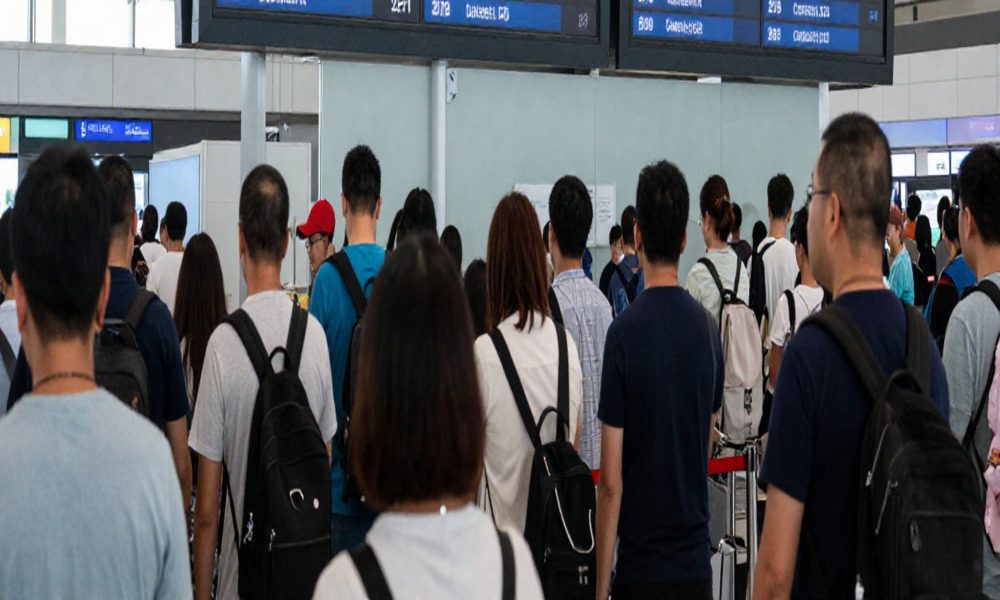
Indian summer travel in 2026 looks strikingly different from years past — and geopolitics is a big reason why. As political instability, security risks, and disrupted flight routes cloud popular international destinations across Europe, the Middle East, and Southeast Asia, millions of Indian vacationers are rethinking where — and how — they spend their summer holidays.
The shift isn’t subtle. Safety has become the dominant factor shaping travel decisions, pushing domestic tourism and alternative forms of exploration to the front of the conversation. For many families and solo travelers alike, the question is no longer just “where do we want to go?” but “where is it actually safe to go?”
Rising flight costs are adding pressure on top of security concerns, making the case for staying closer to home even stronger. The result is a meaningful and measurable transformation in how Indian tourists are approaching the summer of 2026.
Why Indian Travelers Are Turning Away From International Destinations
For years, international travel was a aspirational milestone for India’s growing middle class. European cities, Southeast Asian beach resorts, and Middle Eastern stopovers were bucket-list staples. That appetite hasn’t disappeared — but it’s being tempered by a new and very real sense of caution.
Several of the most popular international destinations for Indian tourists are currently navigating political instability or heightened security environments. When travelers weigh the risks against the experience, many are concluding that the math no longer adds up in favor of going abroad.
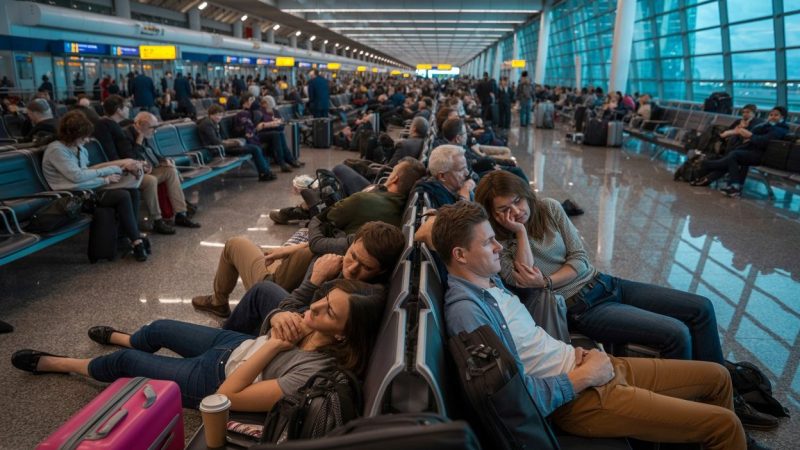
Disrupted international travel routes are compounding the problem. Airspace closures, rerouted flights, and scheduling uncertainty have made international journeys longer, more expensive, and less predictable. For families traveling with children or working adults with limited vacation time, that kind of unpredictability is a dealbreaker.
What the Shift Actually Looks Like on the Ground
The clearest signal of this transformation is the surge of interest in domestic Indian destinations. India’s own geography is extraordinarily diverse — from the Himalayan hill stations of the north to the coastal stretches of Kerala and Goa, the desert landscapes of Rajasthan, and the lush forests of the northeast. For travelers who previously looked outward, much of this terrain is being rediscovered with fresh eyes.
Alongside traditional domestic travel, virtual tourism is also gaining traction as an alternative. As physical travel faces barriers — whether financial, logistical, or security-related — digital and virtual experiences are filling some of the gap for travelers who want exploration without the complications.
| Travel Category | Direction of Change in 2026 | Key Drivers |
|---|---|---|
| International Travel (Europe, Middle East, SE Asia) | Declining interest | Geopolitical tensions, security concerns, rising flight costs |
| Domestic Tourism | Significant growth | Safety priority, cost advantages, route reliability |
| Virtual / Alternative Tourism | Emerging growth | Travel barriers, digital accessibility, cost savings |
| International Flight Routes | Disrupted | Geopolitical instability, airspace complications |
Who This Affects — and How Deeply
The travelers most directly affected by this shift are the Indian middle class and upper-middle class, the demographic that drove the international tourism boom of the past decade. These are households that had built international vacations into their annual plans and may now be redirecting that spending toward premium domestic experiences instead.
Domestic hospitality businesses — hotels, resorts, tour operators, and local guides — stand to benefit significantly. Destinations that once competed primarily with other Indian spots are now effectively competing with Paris and Bali for the same tourist rupee. That’s a meaningful opportunity for communities across the country.
International airlines and overseas tourism boards that have relied on Indian visitor numbers are on the other side of this equation. India has one of the fastest-growing outbound travel markets in the world, and any sustained pullback from international travel carries real economic consequences for destination countries and carriers.
For the travelers themselves, the practical impact is a recalibration of expectations. Many are finding that domestic India offers far more than they had previously explored — and that a summer in the Himalayas or along the Konkan coast can be just as memorable as a trip to Europe, often at a fraction of the cost and with none of the security anxiety.
- Popular destinations across Europe, the Middle East, and Southeast Asia are facing political instability and active security concerns.
- Rising international flight costs are making overseas holidays significantly more expensive for Indian families.
- Disrupted airspace and rerouted flight paths are adding unpredictability to international travel planning.
- India's diverse geography — from Himalayan hill stations to Kerala coastlines — offers wide-ranging experiences for domestic travelers.
- Domestic routes remain stable and cost-effective, making summer planning more reliable for Indian tourists.
- Local hospitality businesses are positioned to capture tourism spending previously directed toward international destinations.
Where This Trend Goes From Here
The summer of 2026 may represent a turning point rather than a temporary blip. If geopolitical tensions persist — and there is little current indication that the global landscape will stabilize quickly — the behavioral shift among Indian tourists could become structural rather than seasonal.
Virtual tourism is worth watching as a longer-term development. As technology improves and immersive digital experiences become more sophisticated, a portion of the travel appetite that once required an international flight may be satisfied through screens. That’s a trend with implications not just for individual travelers but for the entire global tourism industry.
For domestic Indian destinations, the challenge will be scaling up to meet demand without losing what makes them appealing. Infrastructure, accommodation quality, and sustainable tourism management will all be tested as more travelers look inward.
The broader story here is about resilience and adaptation. Indian tourists are not abandoning the idea of travel — they are redefining what travel means in a more complicated world.
Frequently Asked Questions
Why are Indian tourists avoiding international travel in summer 2026?
Geopolitical tensions, security concerns in popular destinations, rising flight costs, and disrupted international travel routes are the primary factors driving Indian tourists toward domestic alternatives.
Which international regions are most affected by this shift?
Popular destinations across Europe, the Middle East, and Southeast Asia are the areas where Indian tourist interest has declined most noticeably due to political instability and safety concerns.
What domestic destinations are likely to benefit?
What is virtual tourism and why is it growing?
Virtual tourism refers to digital and alternative forms of travel experience that do not require physical journeys. It is growing in 2026 as travel barriers — financial, logistical, and security-related — make traditional travel less accessible for some Indian vacationers.
Is this shift expected to be permanent?
It is not yet confirmed whether this represents a lasting structural change or a seasonal response. If geopolitical tensions persist, observers suggest the behavioral shift could extend well beyond summer 2026.
How does this affect India’s outbound tourism industry?
International airlines and overseas tourism boards that depend on Indian visitor numbers face a real economic impact, as India represents one of the world’s fastest-growing outbound travel markets.


Leave a Reply