
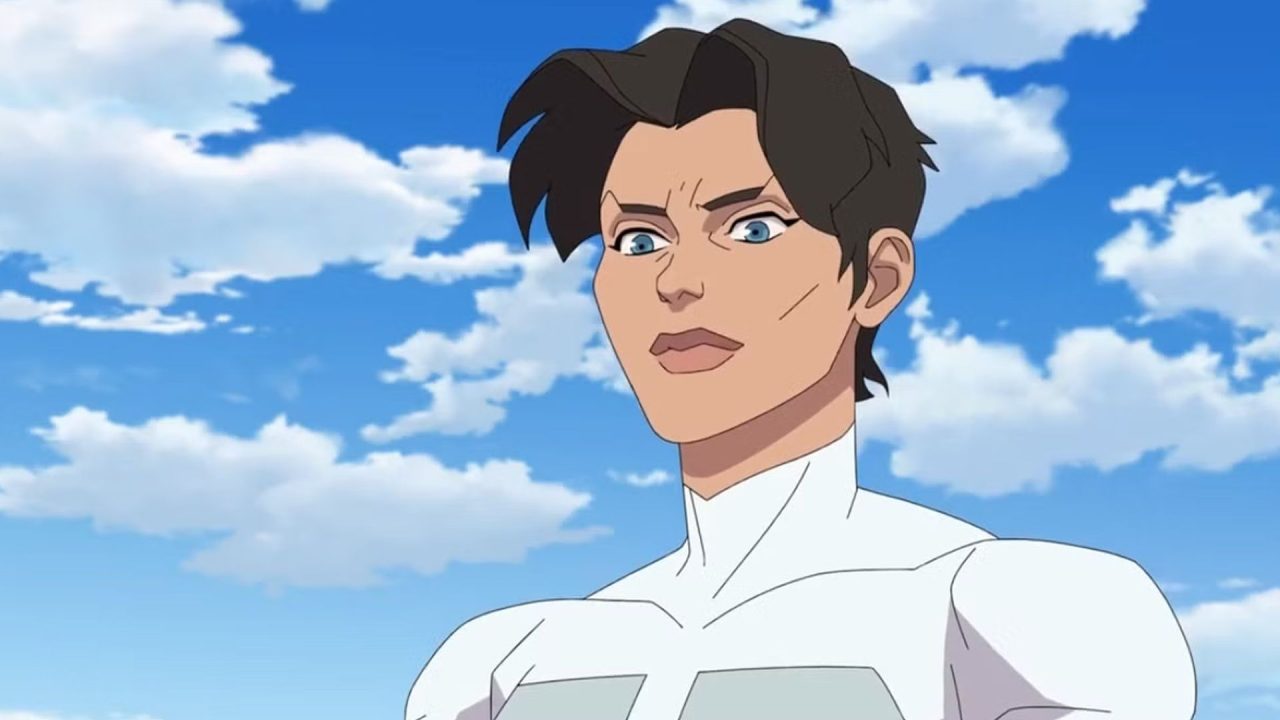
Few storytelling trends in modern pop culture have become as exhausting — or as quietly corrosive — as the villain sympathy arc. You know the one. The brutal antagonist gets a tragic backstory, a wounded inner child, a moment of vulnerability, and suddenly audiences are debating whether they were really the villain at all. It has become so common it almost feels mandatory.
Invincible, the animated superhero series based on Robert Kirkman’s comic books, has built a reputation for subverting exactly these kinds of expectations. And according to reporting from Screen Rant, the show appears to be using its Viltrumite villains to push back directly against the trend of reflexive villain sympathy that has saturated so much of modern genre storytelling.
Whether that pushback lands — and what it says about where superhero fiction is heading — is worth examining closely.
The Villain Sympathy Trend and Why It Became So Dominant
Over the past decade, sympathetic villains have gone from a compelling storytelling device to something closer to a formula. Thanos wanted to save the universe in his own twisted way. Killmonger had legitimate grievances rooted in real historical injustice. Even characters like Magneto have been retroactively reframed as tragic figures whose rage is entirely understandable given what they survived.
There is real value in morally complex antagonists. Flat, cackling evil is boring. But the trend has pushed so far in the other direction that some villains now feel more like misunderstood protagonists than genuine threats. The audience is nudged — sometimes pushed — toward empathy so aggressively that the actual harm caused by these characters gets minimized or narratively forgiven.
This is the specific pattern that Invincible appears to be calling out, particularly through its portrayal of the Viltrumites.
What Makes the Viltrumites Different as Villains
The Viltrumites are the alien empire at the center of much of Invincible‘s larger conflict. They are conquerors. They subjugate worlds, eliminate populations they consider weak, and operate with a cold, imperial logic that frames genocide as efficiency. They are not misunderstood. They are not secretly wounded. They believe in what they are doing.
That clarity of evil is, in the context of current storytelling trends, almost radical.
By refusing to soften the Viltrumites with elaborate tragic backstories designed to generate audience sympathy, Invincible makes a deliberate creative choice. It argues, in effect, that not every villain needs a redemption arc. Not every act of mass violence requires the audience to consider the perpetrator’s feelings first. Some things are simply wrong, and fiction can say so without hedging.
This does not mean the show lacks nuance. Omni-Man — one of the most compelling characters in the series — is a Viltrumite whose story is genuinely complex, full of internal conflict and moral collapse. But the show never lets that complexity excuse what he does. The harm is real. The consequences are real. The show holds both truths at once.
Why This Matters Beyond the Show Itself
The conversation Invincible is entering is bigger than one animated series. Across film, television, and prestige drama, there has been a growing critical conversation about what the constant humanization of villains actually teaches audiences.
When every antagonist is given a sympathetic origin, the implicit message can become that context always excuses behavior — or at least complicates accountability to the point where it dissolves. For villains who commit atrocities at scale, that framing has real storytelling consequences. It can make fiction feel morally weightless.
Invincible‘s approach suggests an alternative: you can write intelligent, layered genre fiction without being obligated to make every villain someone the audience roots for on some level. Threat can just be threat. Evil can just be evil. And heroes can be allowed to oppose it without the narrative undercutting them by asking whether the villain had a point.
Where the Trend Goes From Here
The sympathetic villain formula is not going away. It is too embedded in how studios and showrunners think about audience engagement. But shows like Invincible demonstrate that there is appetite — and critical respect — for genre storytelling that is willing to draw clearer lines.
The key distinction is not between complex and simple villains. It is between complexity that illuminates and complexity that excuses. The best antagonists in fiction are frightening precisely because we understand them — not because we secretly agree with them.
Whether Invincible season 4 fully delivers on this promise remains to be seen as episodes continue to roll out. But the intention, at least, appears to be a direct challenge to one of genre fiction’s most overused storytelling habits.
| Villain Type | Common Storytelling Approach | Invincible’s Approach |
|---|---|---|
| Sympathetic Villain | Tragic backstory encourages audience empathy | Used selectively — not applied universally |
| Ideological Villain | Framed as misguided but understandable | Viltrumites portrayed as genuinely threatening |
| Redeemable Villain | Arc toward heroism or forgiveness | Not guaranteed — consequences remain real |
| Complex Villain | Complexity used to soften accountability | Complexity coexists with clear moral judgment |
Frequently Asked Questions
What trend is Invincible pushing back against?
The show appears to challenge the widespread trend of giving villains sympathetic backstories that soften their threat or encourage audiences to excuse their actions.
Which villains in Invincible are central to this discussion?
The Viltrumites, the alien empire at the heart of the show’s larger conflict, are the primary example — portrayed as genuinely threatening rather than misunderstood.
Does Invincible have no sympathetic villains at all?
Not exactly. Characters like Omni-Man are genuinely complex, but the show does not use that complexity to erase accountability for the harm they cause.
Is this discussion tied to a specific season of Invincible?
Based on available reporting, this conversation is connected to Invincible season 4 and its handling of the Viltrumite threat.
Is the sympathetic villain trend going away in Hollywood?
This has not been confirmed — the trend remains deeply embedded in how studios approach antagonist storytelling, though shows like Invincible suggest audience appetite for alternatives exists.
Where can I watch Invincible?
Invincible is an animated series streaming on Amazon Prime Video, based on Robert Kirkman’s comic book series of the same name.

Leave a Reply