
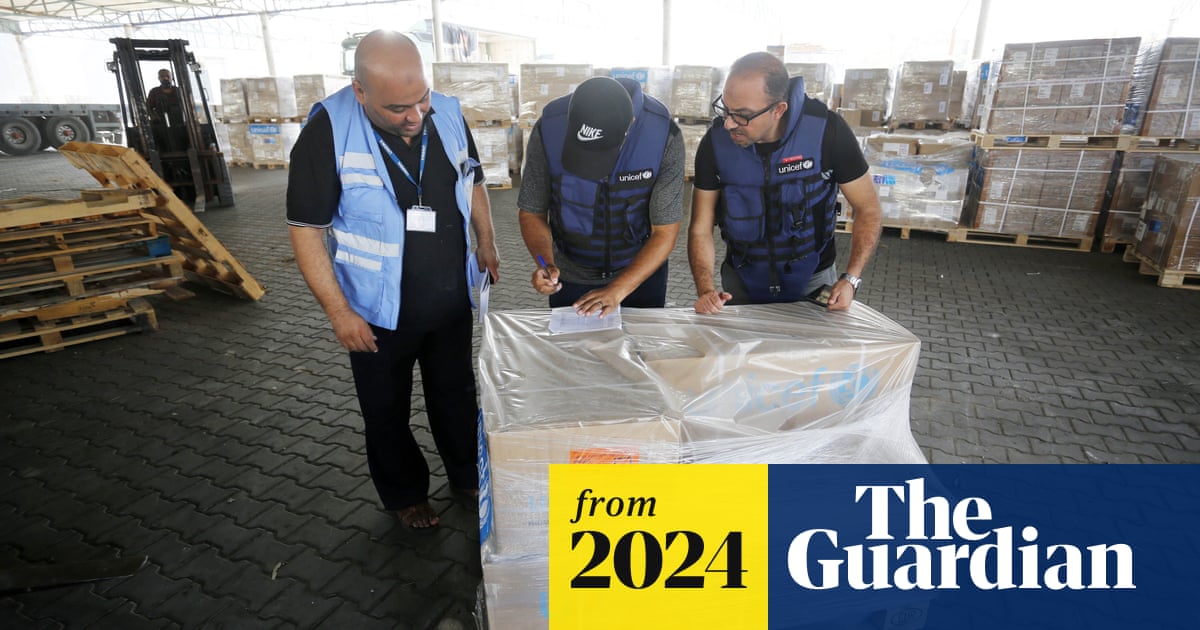
Thousands of foreign workers in Israel — including a significant number from Sri Lanka — have been given more breathing room, with the Israeli government extending re-entry visas until April 30, 2026. The decision comes as the country continues to navigate a complicated mix of immigration pressures, visa expiry concerns, and regional security challenges that have made normal border operations increasingly difficult.
For workers already inside Israel whose documents were approaching expiration, the extension offers real relief. For those hoping to return after traveling home, it provides a clearer window to re-enter without falling into an irregular status that could jeopardize their employment or legal standing.
The move reflects how seriously Israel is taking the labor disruptions caused by ongoing border and travel restrictions — and how dependent certain key industries have become on foreign workers to keep running.
Why Israel Extended Re-Entry Visas for Foreign Workers
The extension is not happening in isolation. Israel has been dealing with a layered set of pressures that have complicated its immigration system in ways that go well beyond typical bureaucratic backlog.
Regional security threats have tightened border conditions, making routine travel — the kind that workers rely on to renew visas or briefly return home — far more unpredictable than it used to be. When a caregiver or agricultural worker cannot travel freely without risking their ability to return, the entire system starts to strain.
Officials have noted that the visa extension is designed to reduce that strain. Rather than forcing workers into a situation where expired documents create legal vulnerability, the government has opted to push the deadline forward and give both workers and their employers more time to plan.
Sri Lankan workers are among those specifically identified as benefiting from this policy. Sri Lanka has an established history of sending workers to Israel, particularly in caregiving and agriculture — two sectors that rely heavily on foreign labor and that would feel the disruption of workforce gaps almost immediately.
What the Extension Actually Covers
Based on the available information, here is what is confirmed about the re-entry visa extension:
| Detail | Information |
|---|---|
| New deadline | April 30, 2026 |
| Who is covered | Sri Lankan workers and other foreign workers in Israel |
| Key sectors affected | Caregiving, agriculture |
| Primary reason for extension | Visa expiry concerns, immigration system pressure, regional security threats |
| Context | Ongoing border and travel restrictions |
| Announced | March 2026 |
- The extension addresses concerns about workers whose visas were expiring under difficult travel conditions
- It is intended to ease pressure on both foreign laborers and their Israeli employers
- The policy acknowledges that regional security threats have made normal immigration processes harder to complete
- Sri Lankan workers are among the nationalities specifically mentioned as being covered
The Workers Who Need This Most
To understand why this matters, it helps to picture what the alternative looks like. A caregiver from Sri Lanka working with an elderly Israeli family — her visa approaching expiration, flights uncertain, border crossing conditions unpredictable — faces a choice that no worker should have to make: overstay and risk legal consequences, or leave and potentially lose the job she depends on.
That kind of pressure has real consequences for workers, for the families employing them, and for the industries built around foreign labor. Caregiving in particular is not a sector where gaps are easy to absorb. An elderly person losing their carer suddenly is not a paperwork problem — it is a human one.
Agricultural workers face a similar bind. Seasonal labor cycles do not pause for geopolitical complications, and farmers relying on foreign workers to plant or harvest cannot simply wait out a visa limbo.
By extending re-entry visas to April 30, 2026, Israel is effectively telling these workers: your status is secure for now, and you have time to navigate whatever comes next without losing your legal standing in the process.
Regional Security’s Role in the Immigration Picture
It would be a mistake to read this as just a routine visa extension. The backdrop of rising regional security threats is doing real work here. When borders become harder to cross — whether due to active conflict, heightened security screening, or restricted flight routes — immigration systems that were designed for normal conditions start to buckle.
Workers who might have easily renewed their documents with a brief trip home now face genuine obstacles. Airlines adjust routes. Border crossings face new restrictions. Processing times slow. None of that is the worker’s fault, but under a rigid immigration system, they bear the consequences.
Israel’s decision to extend the deadline rather than enforce expired visas under these conditions is a recognition that the system needs to flex when external circumstances make compliance genuinely difficult. Officials have indicated the government is trying to provide stability for foreign laborers during a period of heightened uncertainty.
What Happens Before April 30, 2026
The extension gives workers and employers a window — but it is not an indefinite one. April 30, 2026, is a firm new deadline, which means anyone affected should be using this period to get documentation in order, communicate with employers, and monitor any further updates from Israeli immigration authorities.
Workers currently in Israel with visas that were expiring should confirm their status under the extended policy. Those who had planned to re-enter Israel from abroad should check whether the extension covers their specific situation, as re-entry conditions may differ from those for workers already inside the country.
Given the security situation, it would also be wise to stay informed about any changes to border conditions or flight availability that could affect travel plans before the new deadline arrives.
Frequently Asked Questions
Until when have Israel’s re-entry visas for foreign workers been extended?
The re-entry visas have been extended until April 30, 2026.
Which nationalities are covered by this extension?
Sri Lankan workers are specifically mentioned, along with other foreign workers in Israel more broadly.
Why did Israel decide to extend these visas?
The extension was prompted by visa expiry concerns, pressure on the immigration system, and rising regional security threats that have complicated border and travel conditions.
Which industries rely most on the workers affected by this policy?
Caregiving and agriculture are the two sectors specifically identified as depending heavily on foreign labor in Israel.
Does this extension apply to workers already in Israel or those trying to re-enter?
The policy is described as covering re-entry visas, though workers with expiring documents inside Israel are also among those the extension is intended to help. Affected workers should verify their specific situation with Israeli immigration authorities.
Will there be any further extensions beyond April 30, 2026?
This has not been confirmed. The current announced deadline is April 30, 2026, and no information about potential future extensions was included in the available source material.




Leave a Reply