
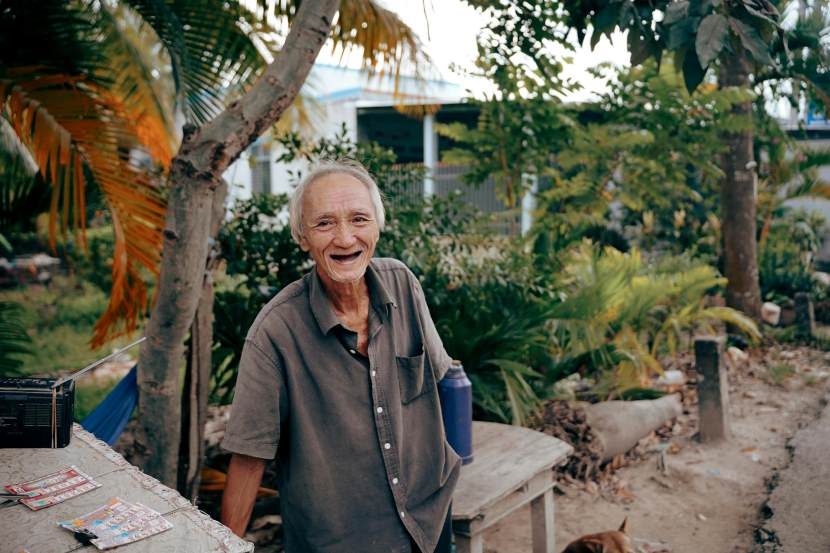
India’s tribal communities have long been home to some of the country’s richest cultural traditions — but for decades, they’ve remained largely invisible to the mainstream tourism economy. That is now beginning to change in a concrete way, with the launch of a dedicated programme designed to bring indigenous homestay operators into the national tourism fold.
In March 2026, the India Tourism Development Corporation (ITDC), operating under the Ministry of Tourism, launched its Tribal Homestay Programme in strategic partnership with the Ministry of Tribal Affairs. The initiative marks one of the more deliberate efforts in recent years to connect remote indigenous regions with India’s fast-growing experiential travel sector.
The core idea is straightforward but significant: rather than building new hotels or importing outside operators into tribal areas, this programme invests in the people already living there — training them, professionalising their offerings, and making them active economic participants in tourism rather than passive bystanders.
What the ITDC Tribal Homestay Programme Actually Does
At its heart, the programme is a capacity-building initiative. The ITDC is focused on the professional enhancement of tribal homestay operators — equipping community members with the skills, standards, and visibility needed to attract and serve domestic and international travellers.
The partnership between two separate ministries — Tourism and Tribal Affairs — is itself notable. It signals a joined-up approach to a problem that has historically fallen between policy gaps: tribal communities are too remote for conventional tourism investment, and too culturally distinct to be served well by generic hospitality training.
Officials have noted that the programme is specifically designed to address the socio-economic disparities found in remote geographical areas of India. The ambition is not simply to increase tourist footfall in tribal regions, but to ensure that the economic benefits of that footfall flow directly to indigenous households.
The Ministry of Tourism’s broader framing here is clear: local communities should be active stakeholders and beneficiaries of tourism growth, not observers of it.
Why This Matters for Inclusive Tourism in India
India’s tourism sector has expanded significantly in recent years, but that growth has been uneven. Popular heritage sites, hill stations, and coastal destinations capture the bulk of visitor spending, while remote tribal regions — despite their extraordinary cultural depth — remain largely off the mainstream travel map.
The Tribal Homestay Programme is positioned as a corrective to that imbalance. By integrating indigenous regions into the national tourism ecosystem, the initiative attempts to extend the economic reach of tourism into communities that have historically had limited access to it.
Experiential travel — the kind that puts travellers inside local life rather than behind a glass window — is one of the fastest-growing segments in global tourism. Homestays sit at the centre of that trend. When they work well, they generate income for families, preserve cultural practices that might otherwise fade, and offer travellers something genuinely different from the standard hospitality product.
Advocates for inclusive tourism argue that programmes like this one have the potential to create sustainable livelihoods in areas where formal employment opportunities are scarce — provided the training and support structures are robust enough to make a real difference.
Key Features of the Programme at a Glance
- Launched by the India Tourism Development Corporation (ITDC) under the Ministry of Tourism
- Developed in partnership with the Ministry of Tribal Affairs
- Launch date: March 2026
- Primary focus: professional training and capacity building for tribal homestay operators
- Goal: integration of indigenous regions into India’s national tourism ecosystem
- Broader objective: promote inclusive tourism growth and reduce socio-economic disparities in remote areas
| Programme Element | Detail |
|---|---|
| Implementing Body | India Tourism Development Corporation (ITDC) |
| Ministerial Partnership | Ministry of Tourism + Ministry of Tribal Affairs |
| Launch Date | March 2026 |
| Target Beneficiaries | Tribal homestay operators in remote/indigenous regions |
| Primary Mechanism | Professional enhancement and skills training |
| Strategic Goal | Inclusive tourism growth and community economic participation |
Who Stands to Benefit — and How
The most direct beneficiaries are tribal homestay operators themselves — families and community members who open their homes to travellers. Through the programme, they gain access to professional training that can help them meet the expectations of modern travellers, manage bookings, maintain hygiene and safety standards, and present their cultural heritage in ways that are both authentic and commercially viable.
For travellers, the programme’s downstream effect could be a richer, more diverse set of homestay experiences across India’s tribal regions — areas that carry traditions, cuisines, crafts, and landscapes found nowhere else in the country.
At the policy level, the initiative reflects a growing recognition that tourism can serve as a development tool when structured correctly. Rather than treating remote communities as scenic backdrops for outside investment, this model attempts to make those communities the economic engine of their own tourism offering.
Critics of similar programmes have previously raised concerns about whether training alone is sufficient — pointing to the need for accompanying infrastructure investment, digital connectivity, and marketing support to make remote homestays genuinely discoverable and bookable for travellers. Whether this programme addresses those wider needs has not yet been confirmed in available details.
What Comes Next for India’s Tribal Tourism Push
The March 2026 launch marks the beginning of the programme rather than its conclusion. The ITDC’s focus on professional enhancement suggests an ongoing training and certification process for operators, though the specific timeline, geographic scope, and scale of rollout have not been detailed in available reporting.
What is clear is that the dual-ministry structure gives the programme both tourism sector expertise through ITDC and direct reach into tribal communities through the Ministry of Tribal Affairs — a combination that could help it navigate the complex ground between cultural sensitivity and commercial viability.
India’s experiential tourism sector is growing, and demand for authentic, community-based travel is rising among both domestic and international visitors. If the Tribal Homestay Programme delivers on its stated goals, it could become a meaningful model for how large, culturally diverse countries integrate their most remote communities into a national tourism economy — without erasing what makes those communities worth visiting in the first place.
Frequently Asked Questions
What is the ITDC Tribal Homestay Programme?
It is an initiative launched by the India Tourism Development Corporation (ITDC) in March 2026, in partnership with the Ministry of Tribal Affairs, aimed at training and professionalising tribal homestay operators across India.
Which government bodies are behind this programme?
The programme is a joint effort between the Ministry of Tourism — through its implementing arm, ITDC — and the Ministry of Tribal Affairs.
Who are the primary beneficiaries?
Tribal homestay operators in remote and indigenous regions of India are the primary beneficiaries, with the goal of making them active economic participants in the national tourism ecosystem.
What problem is the programme trying to solve?
It aims to address socio-economic disparities in remote areas by ensuring that local tribal communities benefit directly from tourism growth, rather than remaining outside it.
How many communities or regions will the programme cover?
This has not yet been confirmed in available reporting. The geographic scope and scale of the rollout have not been detailed publicly.
Is this part of a broader trend in Indian tourism policy?
Yes — the programme reflects a wider push toward inclusive and experiential tourism in India, with an emphasis on integrating underserved communities into the country’s rapidly expanding tourism sector.



Leave a Reply