
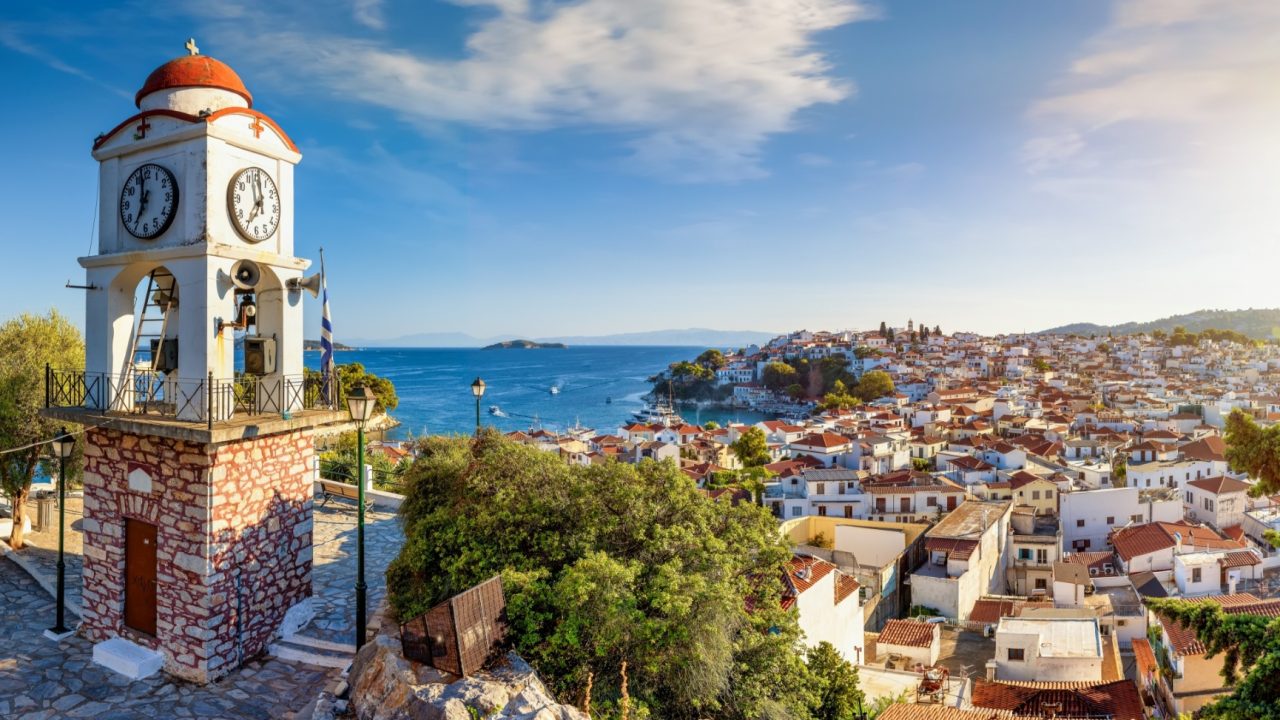
Nine years in, an awards program is quietly reshaping how Europe thinks about travel — and the destinations it recognizes may surprise you.
The 2026 Destination of Sustainable Cultural Tourism Awards, now in their ninth edition, have become one of the most significant platforms on the continent for spotlighting how heritage and exploration can coexist without one destroying the other. Organized by the European Travel Commission in collaboration with the European Cultural Tourism Network, Europa Nostra, and NECSTouR, the program brings together some of Europe’s most forward-thinking destinations under a single, high-profile spotlight.
What makes this year’s edition stand out is its sharper focus. The 2026 awards are specifically centered on enhancing visitor experience while ensuring the protection of both tangible and intangible heritage — the buildings, yes, but also the traditions, languages, food cultures, and living practices that give places their soul.
Why These Awards Matter More Than a Trophy
It would be easy to dismiss an awards program as a feel-good exercise. But the Destination of Sustainable Cultural Tourism Awards carry real weight in how European travel policy and destination management evolve.
By recognizing innovative approaches to cultural tourism, the awards encourage destinations across the continent to rethink what success actually looks like. Rather than measuring progress purely in visitor numbers or revenue, the program pushes a different question: Is tourism here making things better, or slowly eroding what made the place worth visiting in the first place?
The organizing coalition — the European Travel Commission, the European Cultural Tourism Network, Europa Nostra, and NECSTouR — represents a broad cross-section of European heritage and tourism leadership. Their combined influence means the awards carry genuine credibility among policymakers, destination managers, and travel industry professionals.
Supporters of the program argue that regenerative tourism — where travel actively restores and strengthens communities rather than simply extracting value from them — is no longer an idealistic concept but a practical necessity for destinations facing overtourism, climate pressure, and cultural homogenization.
What the 2026 Awards Are Actually Looking For
The current edition of the awards focuses on three interlocking principles that destinations must demonstrate to be recognized:
- Regenerative tourism practices — approaches that restore natural and cultural resources rather than depleting them
- Smart tourism innovation — using technology and data to improve visitor experience without undermining authenticity
- Resilient cultural heritage protection — ensuring that both physical heritage sites and living cultural traditions are safeguarded for future generations
The awards also place particular emphasis on intangible heritage — the kind of cultural wealth that doesn’t show up in a museum but lives in the way a community cooks, celebrates, or tells its stories. This is a deliberate and meaningful distinction from older frameworks that focused almost exclusively on monuments and architecture.
| Award Focus Area | What It Measures | Key Organizing Partner |
|---|---|---|
| Regenerative Tourism | Restoration of natural and cultural resources through travel | European Travel Commission (ETC) |
| Smart Tourism | Technology-driven improvements to visitor experience | NECSTouR |
| Cultural Heritage Protection | Safeguarding tangible and intangible heritage | Europa Nostra |
| Visitor Experience Enhancement | Quality and depth of cultural engagement for travelers | European Cultural Tourism Network (ECTN) |
What This Means for Travelers Planning a European Trip
If you’re planning travel in Europe, the destinations recognized by these awards offer something increasingly rare: places that are actively working to be worth visiting — not just now, but for decades to come.
Award-recognized destinations have typically made concrete commitments to managing visitor flow, protecting local traditions, and ensuring that tourism revenue stays within communities rather than leaking out to global hotel chains or tour operators. For travelers who care about where their money goes, that distinction matters.
There’s also a practical benefit. Destinations that invest in sustainable cultural tourism tend to offer richer, more authentic experiences. When a place is protecting its intangible heritage — its food culture, its festivals, its crafts — rather than staging a sanitized version of it for tourists, the travel experience is simply better.
The awards also serve as a useful signal for travelers who want to avoid the most overcrowded circuits. Many of the recognized destinations are not the usual suspects. They’re places that have done the harder work of building tourism infrastructure that serves both visitors and residents — and that balance tends to produce a more enjoyable trip for everyone involved.
What Comes Next for the Awards Program
The 2026 awards continue a trajectory that has been building for nearly a decade. Each successive edition has refined the criteria and expanded the program’s reach across more European destinations and regions.
The emphasis on regenerative tourism in this year’s edition reflects a broader shift in how European tourism bodies are thinking about the future of travel on the continent. As climate pressures mount and communities grow more vocal about the costs of mass tourism, the awards program positions itself as a practical framework — not just a recognition ceremony, but a roadmap for what responsible destination management looks like.
For destinations not yet recognized, the awards criteria offer a useful benchmark. The organizing coalition’s involvement of four distinct bodies — each representing a different dimension of heritage, tourism, and regional development — means the framework is both comprehensive and credible.
Destinations across Europe will continue to be evaluated against these principles, with the program expected to maintain its annual cadence and grow in influence as sustainable travel becomes less of a niche preference and more of a mainstream expectation among European and international travelers alike.
Frequently Asked Questions
What are the Destination of Sustainable Cultural Tourism Awards?
They are an annual awards program, now in their ninth year, that recognizes European destinations for innovative and sustainable approaches to cultural tourism.
Who organizes the awards?
The awards are organized by the European Travel Commission in collaboration with the European Cultural Tourism Network, Europa Nostra, and NECSTouR.
What does the 2026 edition focus on specifically?
The 2026 awards focus on enhancing visitor experience while ensuring the protection of both tangible and intangible heritage, with an emphasis on regenerative, smart, and resilient tourism practices.
What is intangible heritage and why does it matter?
Intangible heritage refers to living cultural practices — traditions, food cultures, languages, festivals, and crafts — rather than physical monuments. The awards specifically prioritize its protection alongside built heritage.
How can travelers use the awards to plan their trips?
Recognized destinations have made concrete commitments to sustainable, community-centered tourism, making them reliable choices for travelers seeking authentic and responsibly managed cultural experiences.
Will the awards continue in future years?
Based on the program’s nine-year track record and growing institutional support, the awards are expected to continue annually, though specific future dates have not been confirmed in current available information.




Leave a Reply