
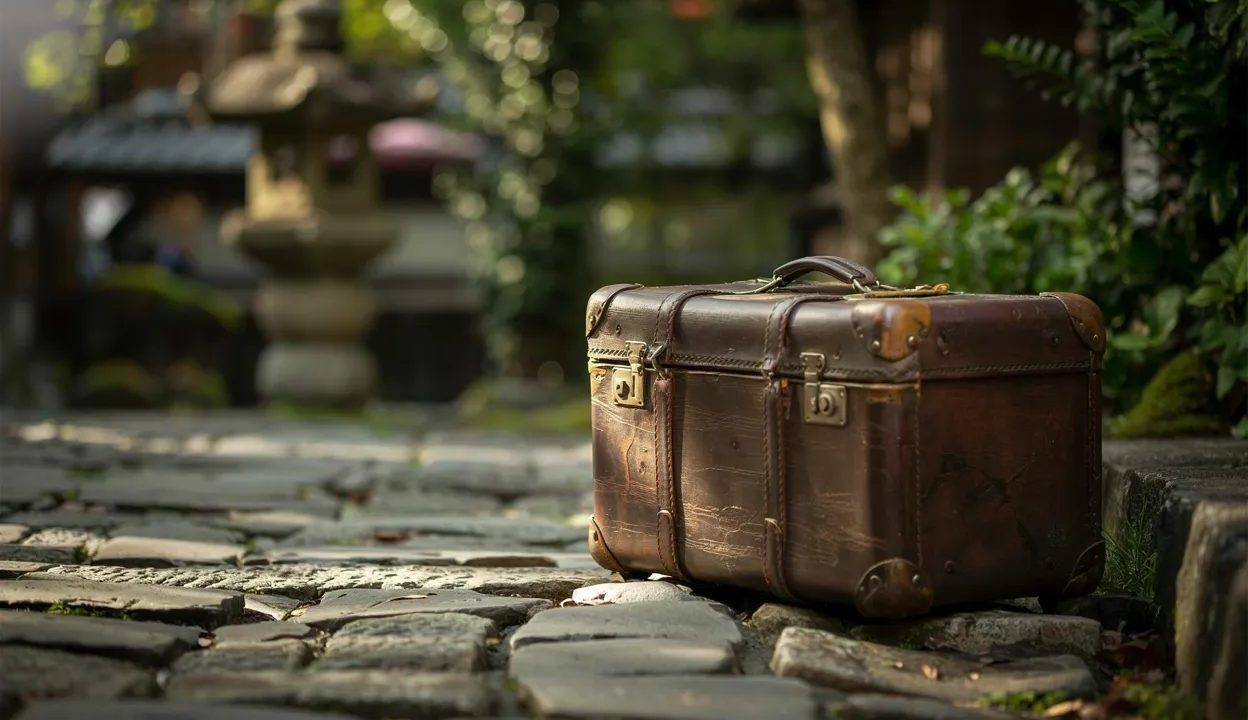
Japan’s tourism boom has created an unexpected side effect that nobody quite planned for: suitcases, duffel bags, and worn-out luggage are turning up abandoned across the country’s busiest transit hubs and private accommodations. Visitor numbers hit record-breaking heights in early 2026, and the surge is bringing with it a logistical headache that Japanese authorities and residents are struggling to manage.
The problem isn’t simply carelessness. There’s a specific pattern driving it — one rooted in the weak yen, a shopping frenzy, and the practical reality that you can only carry so much home on a plane.
According to the Japan Tourism Agency, the continued weakness of the yen has dramatically changed how international visitors shop. Tourists are buying souvenirs and luxury goods in volumes that simply don’t fit in the bags they arrived with. So they buy bigger suitcases — in upscale shopping districts like Ginza in Tokyo or Shinsaibashi in Osaka — and then leave their old luggage behind rather than deal with the cost and complexity of disposing of it properly.
Why Japan’s Luggage Problem Is Getting Worse, Not Better
Japan has some of the strictest waste management rules in the world. Disposing of large items like suitcases isn’t as simple as tossing them in a bin. It typically requires paying a fee and following specific disposal procedures — steps that many foreign visitors either don’t know about or choose to avoid.
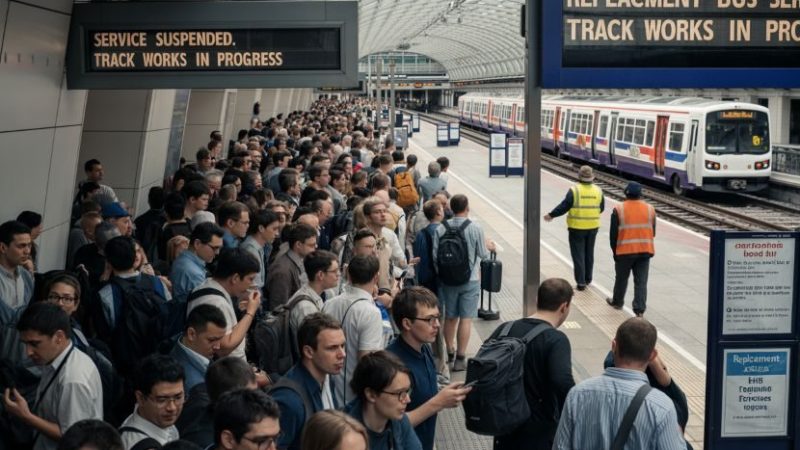
The result is a growing pile of abandoned bags at train stations, airports, hotels, and short-term rental properties. For a country that prizes order and cleanliness, the sight of unclaimed luggage stacking up in high-traffic areas is both a practical and cultural frustration.
Officials have noted that the scale of tourism in early 2026 has outpaced existing infrastructure for handling the byproducts of mass travel. Record visitor numbers mean record volumes of everything — including the stuff tourists leave behind.
The Shopping Behavior Behind the Abandoned Bags
The weak yen is the engine driving this particular chaos. When a currency drops significantly against the dollar, euro, or other major currencies, Japan becomes extraordinarily affordable for foreign visitors. Luxury goods, electronics, cosmetics, food products, and traditional crafts that would be expensive elsewhere become attractive bargains.
Visitors who arrive planning to buy “a few things” often find themselves purchasing far more than anticipated. Once their original luggage is full, the logical solution — from the traveler’s perspective — is to buy a new, larger suitcase. Specialty luggage stores in premium shopping districts have reportedly been doing strong business as a result.
But what happens to the old bag? That’s where the problem begins.
| Factor | Detail |
|---|---|
| Primary driver of abandoned luggage | Record-breaking tourism surge in early 2026 |
| Contributing economic factor | Continued weakness of the Japanese yen |
| Traveler behavior observed | Purchasing larger replacement suitcases after overfilling original bags |
| Key shopping districts cited | Ginza (Tokyo) and Shinsaibashi (Osaka) |
| Where bags are being left | High-traffic transit hubs and private accommodations |
| Disposal barrier | Japan’s waste management rules require fees and prior procedures for large items |
Who Bears the Cost of This Problem
The burden falls unevenly — and mostly on the Japanese side of the equation.
- Transit operators at busy train and subway stations face the task of identifying, storing, and eventually disposing of unclaimed bags, which takes staff time and storage space.
- Accommodation providers, including hotels and short-term rental hosts, are left handling luggage that guests simply walk away from at checkout.
- Local municipalities must absorb disposal costs for items left in public spaces, costs that were never budgeted for at this scale.
- Residents in tourist-heavy neighborhoods experience the visual and practical disruption of cluttered public spaces.
For travelers, the inconvenience is minimal — leave the old bag, board the plane with the new one. For everyone else left behind, the cleanup is real and ongoing.
The Broader Overtourism Tension Playing Out in Real Time
Japan has been grappling with overtourism pressures for several years, and the abandoned luggage issue is one of the more visible symptoms of a larger strain. Record visitor numbers bring economic benefits — spending in shopping districts, hotel bookings, restaurant revenue — but they also create friction that communities must absorb.
The luggage situation is a sharp illustration of a mismatch: tourism infrastructure and local waste systems were not designed to handle the volume or behavior patterns that come with this scale of international travel. When millions of visitors arrive, even small individual decisions — like abandoning a suitcase instead of paying a disposal fee — aggregate into a significant civic problem.
Officials have noted the need to better communicate Japan’s waste management expectations to international visitors before and during their trips, though specific policy responses were still being assessed as of early 2026.
What Travelers Should Know Before Their Next Trip to Japan
If you’re planning a trip to Japan and think you might be doing some serious shopping, it’s worth thinking ahead about what you’ll do with your luggage situation before it becomes someone else’s problem.
- Japan’s waste disposal rules are strict and apply to large items like suitcases — you cannot simply leave them at the curb or in a hotel room without consequence for the property.
- Many luggage forwarding services (takuhaibin) operate across Japan and allow travelers to ship bags between hotels or directly to the airport — a far more considerate option than abandonment.
- Coin lockers at major train stations are widely available, though they won’t help with the problem of an oversized bag you no longer want.
- Some luggage stores may accept old bags as part of a trade-in or disposal arrangement — worth asking before assuming abandonment is the only option.
The record tourism numbers show that Japan remains one of the world’s most compelling destinations. How travelers choose to behave within it — including the small logistical choices — shapes the experience for everyone who comes after them.
Frequently Asked Questions
Why are tourists abandoning luggage in Japan?
The Japan Tourism Agency has noted that the weak yen is driving record shopping volumes among international visitors. When original bags fill up, tourists buy larger replacement suitcases in shopping districts like Ginza or Shinsaibashi and leave their old luggage behind rather than navigate Japan’s fee-based disposal system.
Where is abandoned luggage most commonly found?
According to the source reporting, bags are being left at high-traffic transit hubs and private accommodations across Japan.
Is it illegal to abandon luggage in Japan?
Japan has strict waste management protocols that require a fee and specific procedures to dispose of large items. Abandoning luggage without following those rules does not comply with the country’s waste regulations, though specific legal penalties for tourists were not detailed in the available reporting.
When did this problem become noticeable?
The issue has been reported as a growing challenge driven by record-breaking visitor numbers in early 2026, coinciding with continued weakness in the Japanese yen.
Which shopping areas are linked to the luggage-buying trend?
The source specifically mentions Ginza in Tokyo and Shinsaibashi in Osaka as districts where tourists are purchasing larger replacement suitcases.
Is Japan taking steps to address the abandoned luggage issue?
Officials have noted the problem, but specific policy responses or formal measures had not been confirmed in the available reporting as of early 2026.



Leave a Reply