
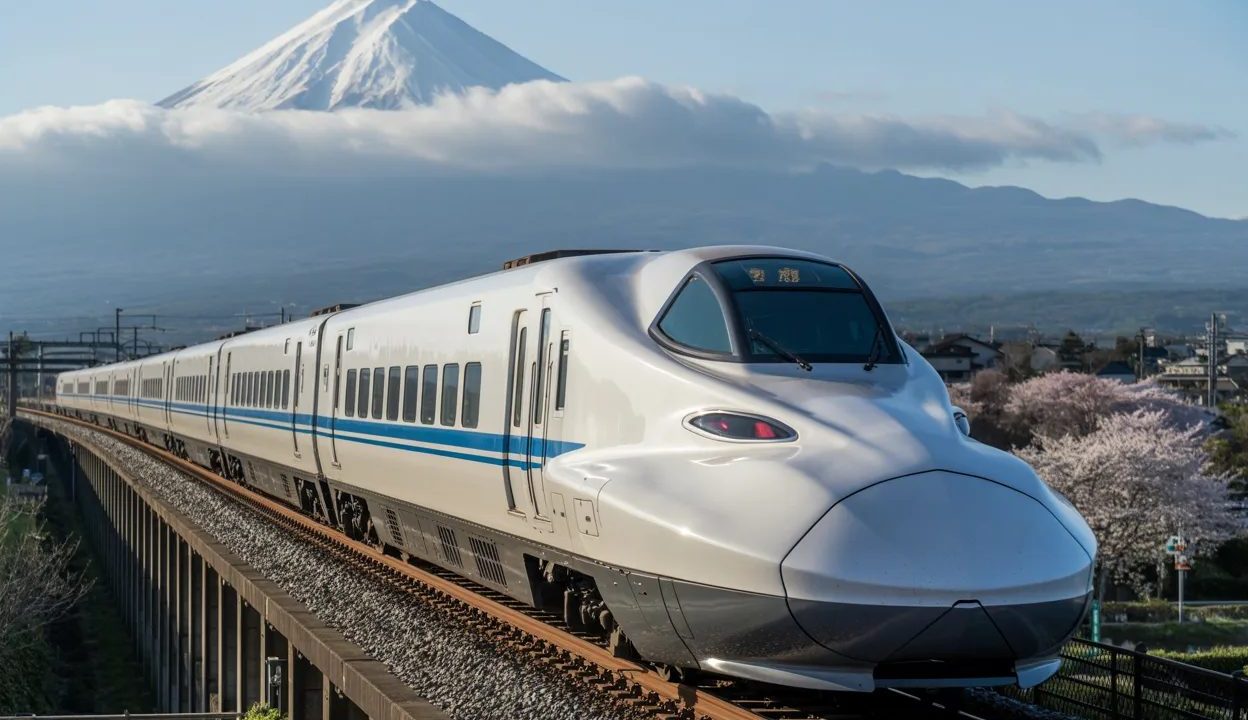
For the first time in three years, the Japan Rail Pass is getting more expensive — and for millions of international travelers who plan their entire Japan itinerary around it, that change is going to matter.
The JR Group has confirmed that price increases for the Japan Rail Pass will take effect on October 1, 2026. The announcement marks the second significant pricing revision in recent memory, following the major overhaul in 2023 that sent shockwaves through the budget travel community and forced many visitors to completely rethink the economics of a Japan trip.
Whether you’re planning a whirlwind tour of Tokyo, Kyoto, Hiroshima, and Osaka, or a slower journey through lesser-known regions, the Japan Rail Pass has long been the backbone of independent travel across the country. That backbone is now shifting — again.
Why the Japan Rail Pass Has Always Been Such a Big Deal
For foreign visitors, the Japan Rail Pass is one of the most powerful travel tools in the world. A single pass unlocks unlimited travel across the vast majority of Japan’s railway network — including the legendary Shinkansen bullet trains that connect major cities at speeds that still feel slightly unreal the first time you experience them.
The pass is exclusively available to foreign tourists visiting Japan, which makes it a unique product in the global travel market. Locals can’t buy it. It’s designed specifically to make Japan accessible to international visitors, and for decades it delivered extraordinary value — allowing travelers to zip from Kyoto to Hiroshima and back, or ride up to Hokkaido, without paying separately for each journey.
That value equation has been under pressure. The 2023 price increases were steep enough to generate widespread debate about whether the pass was still worth purchasing for every type of trip. Now, with another round of increases coming, travelers are once again doing the math.
What the 2026 Japan Rail Pass Price Increase Actually Means
The JR Group’s decision to raise prices in October 2026 represents the first adjustment since the 2023 revision.
What is known is that the pass comes in multiple duration options, and has historically been available in both ordinary and Green Car (first class) versions. Here is a summary of what the current structure looks like heading into the change:
| Pass Type | Duration | Class Options | Price Change Status |
|---|---|---|---|
| Japan Rail Pass | 7 Days | Ordinary / Green Car | Increasing from October 1, 2026 |
| Japan Rail Pass | 14 Days | Ordinary / Green Car | Increasing from October 1, 2026 |
| Japan Rail Pass | 21 Days | Ordinary / Green Car | Increasing from October 1, 2026 |
The last major revision in 2023 was described at the time as a fundamental shift in the landscape of budget travel in Japan. This 2026 increase continues that trend, suggesting that the era of deeply subsidized rail access for foreign tourists is giving way to a new pricing reality.
How This Affects Travelers Planning a Japan Trip
If you’re already planning a Japan trip for late 2026 or beyond, the October 1 effective date is the most important number to hold onto. Travelers who purchase and activate their passes before that date will be doing so under the existing price structure. Anyone buying after October 1 will pay the new, higher rates.
This creates a narrow but real window for savvy travelers to lock in current pricing — provided they’re confident enough in their travel dates to commit early. The Japan Rail Pass can typically be purchased in advance through authorized overseas sales agents, which means you don’t necessarily need to wait until you land in Japan to secure your pass.
For budget-conscious travelers, the calculus is becoming increasingly complex. The pass remains most valuable for those covering long distances across multiple regions. A traveler spending a week in Tokyo and its surrounding areas, for example, might find that individual tickets or IC cards offer better value. But anyone planning a multi-city journey — particularly one that involves multiple Shinkansen legs — will still find the pass competitive, even at higher prices.
The broader concern among travel observers is about accessibility. Japan has seen a significant surge in international tourism in recent years, and the Rail Pass has played a meaningful role in making the country navigable for first-time visitors who don’t speak Japanese and find the ticketing system complex. Higher prices raise the barrier to entry for that experience.
What Happens Between Now and October
The window between now and October 1, 2026 is an active planning period for anyone with Japan on their radar. The JR Group’s announcement gives travelers several months of advance notice — enough time to research, budget, and potentially purchase passes under current pricing if their travel plans are firm.

For those still in the early stages of planning, the key question is whether a Japan Rail Pass still makes financial sense for the specific trip they’re envisioning. That calculation depends entirely on distance traveled, the number of Shinkansen journeys planned, and how much of the trip involves JR-operated lines versus private railways and subways not covered by the pass.
Travel industry observers will also be watching closely to see whether the 2026 increase — like the 2023 revision before it — prompts a broader conversation about how Japan balances welcoming international visitors with managing the pressures that mass tourism places on its infrastructure and communities.
What’s clear is that the Japan Rail Pass, while still a remarkable product by any global standard, is no longer the near-automatic bargain it once was. Travelers who treat it as a default purchase without running the numbers first may find themselves paying more than necessary. Those who do the homework will still find it an invaluable tool for exploring one of the world’s most extraordinary rail networks.
Frequently Asked Questions
When do the new Japan Rail Pass prices take effect?
The price increases are confirmed to take effect on October 1, 2026, as announced by the JR Group.
Is this the first Japan Rail Pass price increase in recent years?
No. The last major revision occurred in 2023. The 2026 increase is the first adjustment since then, making it the second significant pricing change in three years.
Who can buy a Japan Rail Pass?
The Japan Rail Pass is available exclusively to foreign tourists visiting Japan — it is not available for purchase by Japanese residents.
Should I buy my Japan Rail Pass before October 1, 2026 to avoid higher prices?
If your travel plans are confirmed and your dates fall within the pass validity window, purchasing before October 1 would allow you to secure current pricing. Specific new price figures have not yet been detailed in available information.
Does the Japan Rail Pass cover all trains in Japan?
The pass covers the majority of JR-operated lines including most Shinkansen services, but does not cover all private railways, some subway systems, or certain premium express services.
How does the 2026 increase compare to the 2023 changes?
The 2023 revision was described as a significant shift that altered the landscape of budget travel in Japan. The 2026 increase continues that trend, though specific comparative figures have not yet been confirmed.



Leave a Reply