
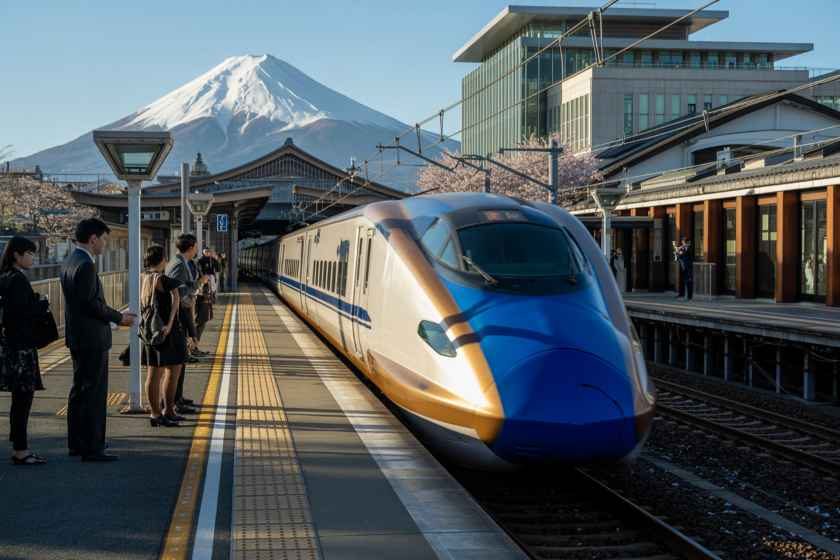
Only 1.5% of overnight stays by international visitors to Japan happen in the Tohoku region — a number that East Japan Railway Company (JR East) is determined to change. The railway giant has unveiled an expanded JR East Pass designed specifically to pull more travelers north, beyond Tokyo and Kyoto, and into one of Japan’s most underexplored stretches of landscape, culture, and history.
For anyone who has felt like Japan’s famous tourist trail has become a little too crowded, this development is worth paying close attention to.
The new pass consolidates two previously separate rail products into one, simplifying travel planning considerably and opening up six prefectures in northern Honshu to visitors on a single ticket.
What JR East Is Actually Changing — and Why It Matters
The updated JR East Pass replaces both the former JR East Pass (Tohoku area) and the JR East Pass (Nagano, Niigata). Instead of choosing between two separate passes depending on your route, travelers now get a single unified pass that covers the full northern corridor.
That consolidation alone removes a real friction point for international tourists trying to plan multi-stop itineraries across northern Honshu. The Tohoku region sits northeast of Tokyo and spans a vast area that includes mountains, coastlines, hot spring towns, and ancient festivals — yet it has remained largely off the radar for most first-time visitors to Japan.
JR East’s goal is to push Tohoku’s share of inbound overnight stays from 1.5% to 5% by 2034. That’s an ambitious target, and the expanded pass is clearly one of the primary tools for getting there. Officials have noted that positioning Tohoku as a year-round destination — not just a seasonal detour — is central to the strategy.
What the JR East Pass Covers
The expanded pass delivers broad access across JR East’s network, including some of Japan’s fastest and most comfortable train services. Here’s what’s included:
- Unlimited access to reserved seats on all JR East lines
- Coverage across shinkansen (bullet train) services
- Access to limited express, express, local, and rapid services
- Travel across six prefectures in northern Honshu, including the Tohoku region
- Coverage extended to select partner railways, including the Tokyo Monorail
- Improved airport connectivity through the Tokyo Monorail inclusion
The inclusion of the Tokyo Monorail is a practical touch that makes the pass useful from the moment you land. Travelers arriving at Haneda Airport can connect directly into the broader JR East network without needing a separate ticket.
| Feature | Previous Passes | New JR East Pass |
|---|---|---|
| Number of passes required | Two separate passes | One consolidated pass |
| Shinkansen access | Varies by pass | Included across all JR East lines |
| Reserved seat access | Varies by pass | Unlimited reserved seats |
| Tokyo Monorail | Not specified | Included |
| Coverage area | Tohoku or Nagano/Niigata | Six prefectures in northern Honshu |
Who This Pass Is Really For
The JR East Pass is aimed squarely at international tourists — the kind of traveler who wants more than Tokyo’s central districts or the well-worn Kyoto-Osaka circuit. If you’ve already done the highlights and want to go somewhere that feels genuinely different, northern Honshu offers a compelling alternative.
Tohoku in particular carries a reputation among Japan enthusiasts for its natural beauty, traditional festivals, and the kind of slower, more authentic travel experience that’s increasingly hard to find in Japan’s most popular cities. The region’s lower visitor numbers mean shorter lines, more space, and often a warmer welcome from locals who aren’t yet fatigued by mass tourism.
The pass also suits travelers who want to combine regions. With Nagano and Niigata now folded into the same ticket, a single trip could take in the Japanese Alps, the Sea of Japan coastline, and the mountains and coastlines of Tohoku — without juggling multiple rail products.
For those planning longer stays in Japan, the seamless access to both shinkansen and local services means the pass works whether you’re racing between cities or taking a slower local train into a mountain valley.
The Bigger Picture: Spreading Tourism Beyond the Obvious
Japan has faced a well-documented overtourism problem in its most visited spots. Kyoto has implemented crowd-control measures. Fuji Five Lakes has put up barriers. The pressure on Tokyo’s most popular neighborhoods continues to grow.
JR East’s push to bring more visitors to Tohoku fits into a broader national conversation about distributing tourism more evenly across the country. Officials have framed Tohoku as a compelling year-round destination — not just a summer festival stop or a winter ski detour — and the expanded pass is built to support that narrative by making the logistics genuinely easy.
Reaching a 5% share of inbound overnight stays by 2034 would represent more than a tripling of Tohoku’s current numbers. That’s a significant shift, and it won’t happen without infrastructure and access improvements. The expanded pass is a clear signal that JR East sees rail connectivity as the foundation of that growth.
What Travelers Should Know Before They Go
The pass is designed for international visitors, so travelers should confirm eligibility and purchase options before arriving in Japan — rail passes of this type are typically sold outside the country or through designated sales channels for foreign visitors.
The inclusion of reserved seat access across all services is a meaningful benefit. On popular shinkansen routes, unreserved cars can fill up quickly, especially during peak travel periods. Having guaranteed reserved seating removes one of the more stressful parts of navigating Japan’s busy rail network.
Partner railway coverage, including the Tokyo Monorail, adds practical value for those routing through Haneda, making the pass useful from the very first leg of the journey rather than only once you’ve already reached central Tokyo.
Frequently Asked Questions
What does the new JR East Pass replace?
It replaces two separate passes — the former JR East Pass (Tohoku area) and the JR East Pass (Nagano, Niigata) — combining them into a single unified product.
Does the pass include bullet train (shinkansen) access?
Yes. The pass provides unlimited access to reserved seats on shinkansen services, as well as limited express, express, local, and rapid trains on JR East lines.
Is the Tokyo Monorail included?
Yes. The Tokyo Monorail is listed among the partner railways covered by the expanded pass, which improves airport access for travelers arriving at Haneda.
What is JR East’s tourism target for Tohoku?
JR East is targeting a growth in Tohoku’s share of inbound overnight stays from the current 1.5% to 5% by 2034.
How many prefectures does the new pass cover?
The pass covers six prefectures in northern Honshu, including the Tohoku region.
Who is the pass intended for?
The pass is aimed at international tourists looking to explore northern Japan, including those seeking destinations beyond Japan’s major metropolitan areas.



Leave a Reply