
Canada’s tourism industry is having a moment — and the numbers from 2025 make that impossible to ignore. International visitor spending climbed significantly in the final quarter of the year, signaling that travelers around the world are choosing Canada not just as a backup destination, but as a first choice.
What’s driving the surge? A combination of factors that Canada has long had on offer — sweeping natural landscapes, culturally rich cities, and a reputation for safe, well-organized travel experiences. In 2025, that combination is resonating more powerfully than ever with global audiences.
And it’s not just visitors from abroad fueling the boom. Canadians themselves are hitting the road in record numbers, discovering corners of their own country they’d previously overlooked. The result is a tourism economy that’s firing on all cylinders — from downtown hotels to remote wilderness lodges.
Why Canada’s Tourism Growth in 2025 Stands Out
Tourism rebounds aren’t unusual after periods of disruption — but what’s happening in Canada feels different from a simple bounce-back. The growth is broad-based, touching nearly every sector of the travel economy: hotels, restaurants, cultural attractions, and transport services are all reporting stronger performance as traveler volumes rise.
The appeal is easy to understand once you look at what Canada offers. Few countries can match the sheer variety of experiences packed within one destination — Arctic tundra in the north, Pacific coastline in the west, the French-influenced culture of Québec in the east, and the Rocky Mountain corridors in between. For travelers seeking something genuinely different, Canada delivers.
Safety also plays a role. Travelers increasingly factor in how well-managed and welcoming a destination feels, and Canada consistently scores well on both counts. That perception is translating directly into bookings and spending.
What the Growth Looks Like Across the Country
The tourism boom isn’t concentrated in one city or region — it’s spreading across the country. Urban centers are attracting visitors drawn to world-class dining, arts, and nightlife, while rural and wilderness areas are pulling in travelers hungry for outdoor adventure and natural scenery.
Here’s a breakdown of the sectors and experiences driving visitor interest:
- Urban tourism: Cities are drawing visitors with cultural festivals, diverse food scenes, and major attractions
- Nature and wilderness: National parks, mountain trails, and coastal routes are seeing strong demand from international and domestic travelers alike
- Cultural experiences: Museums, heritage sites, and local arts scenes are benefiting from increased foot traffic
- Hospitality sector: Hotels and restaurants across the country are reporting improved occupancy and revenue figures
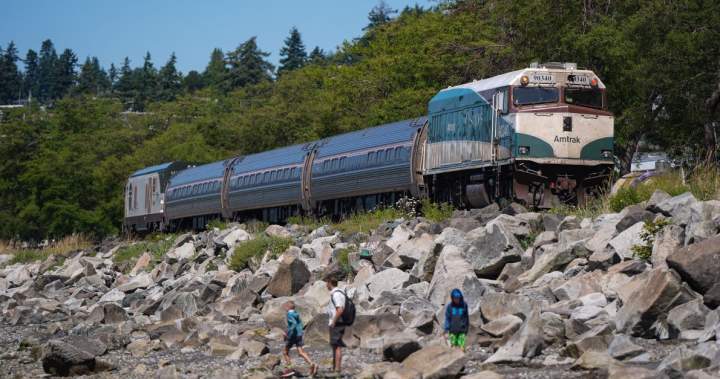
- Transportation: Airlines, rail services, and ground transport are all seeing increased demand tied to the travel surge
- Domestic travel: Canadians exploring their own country are adding a significant second layer of spending to the tourism economy
| Tourism Segment | Trend in 2025 | Key Driver |
|---|---|---|
| International Visitor Spending | Significant increase (Q4 2025) | Renewed global travel confidence |
| Domestic Travel | Surging | Canadians exploring their own country |
| Hotel and Accommodation | Strong growth | Higher visitor volumes across regions |
| Restaurants and Food Services | Benefiting from growth | Increased tourist foot traffic |
| Cultural Attractions | Increased visitor numbers | Demand for authentic local experiences |
| Transport Services | Higher demand | Growing domestic and international movement |
Who Benefits — and Why It Matters Beyond the Headlines
The real-world impact of this tourism surge extends well beyond hotel occupancy rates. When travelers spend money in a destination, the effects ripple through local economies in ways that touch everyday life — from the restaurant owner who can afford to hire more staff, to the small tour operator who finally sees a sustainable season.
For communities in rural and remote areas, tourism growth can be genuinely transformative. Many of Canada’s most spectacular natural regions have historically struggled to build consistent economic activity. A sustained increase in visitor numbers changes that equation, creating jobs and supporting local businesses that might otherwise find it difficult to survive.
For travelers themselves, the growth signals something worth paying attention to: Canada is investing in the infrastructure and services that make for memorable visits. World-class experiences are increasingly accessible whether you’re landing in a major city or venturing deep into wilderness territory.
The domestic travel surge is equally significant. When Canadians choose to explore their own country rather than travel abroad, that spending stays within the national economy — supporting communities, preserving cultural sites, and strengthening the tourism ecosystem that international visitors then benefit from when they arrive.
What Comes Next for Canadian Tourism
The trajectory heading into the coming years looks positive. The conditions that drove 2025’s growth — strong natural assets, urban appeal, safety reputation, and a recovering global appetite for travel — are not short-term phenomena. They represent structural advantages that Canada is well-positioned to build on.
Industry observers note that sustained growth will require continued investment in the visitor experience: maintaining infrastructure, supporting cultural institutions, and ensuring that the hospitality sector can meet rising demand with quality service. The foundation is clearly there. The question now is how effectively Canada can convert this momentum into long-term tourism leadership on the global stage.
For travelers considering their next trip, the message from the 2025 data is straightforward: Canada is delivering on its promise as a destination, and the rest of the world is taking notice.
Frequently Asked Questions
When did Canada’s international visitor spending increase?
International visitor spending increased significantly in the last quarter of 2025, reflecting growing global confidence in Canada as a travel destination.
Is it only international tourists driving Canada’s tourism growth?
No — domestic travel has also surged in 2025, with Canadians exploring their own country more than ever and contributing meaningfully to overall tourism spending.
Which sectors of the Canadian economy are benefiting from tourism growth?
Hotels, restaurants, cultural attractions, and transport services have all been identified as direct beneficiaries of the increased visitor activity across the country.
What is making Canada attractive to global travelers in 2025?
Travelers are drawn by Canada’s scenic landscapes, vibrant cities, cultural richness, and its reputation for safe, well-managed travel experiences.
Is the tourism growth limited to major cities?
The growth appears broad-based, benefiting both urban centers and rural or wilderness regions across the country, though specific regional breakdowns have not been confirmed.
Are specific visitor numbers or percentages available for 2025?
The confirmed trend is a significant increase in international visitor spending in Q4 2025; precise percentage figures or total visitor counts have not been specified in available reporting.



Leave a Reply