
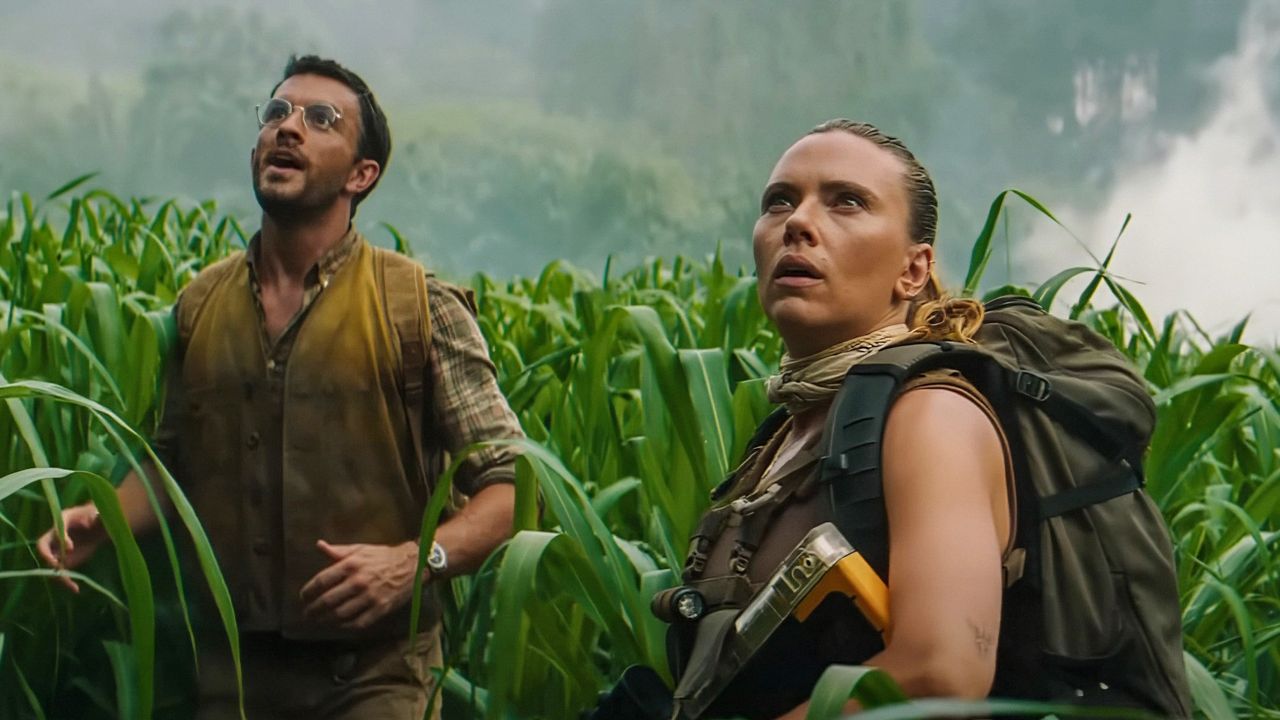
Not every dinosaur movie delivers the same rush of adrenaline — and after seven films, the gap between the best and worst entries in the Jurassic franchise has never been more obvious. Some of these movies had audiences gripping their armrests. Others had them checking their phones.
The Jurassic Park and Jurassic World series spans more than three decades of filmmaking, and the quality of tension across those films varies enormously. Ranking them by suspense — not nostalgia, not box office, not CGI quality — reveals something interesting about what actually makes a dinosaur movie scary.
Here is a look at all seven Jurassic Park films ranked by how effectively they build and sustain genuine suspense, drawing on what each movie does well and where each one falls short.
What Makes a Dinosaur Movie Actually Scary
Suspense is not the same as action. A film can have wall-to-wall dinosaur attacks and still feel strangely flat. What creates real tension is the feeling that something terrible could happen at any moment — and that the audience genuinely does not know whether the characters will survive.
The original Jurassic Park understood this instinctively. Steven Spielberg used silence, shadows, and the slow build of dread far more than he relied on jump scares. The T-Rex paddock sequence remains one of the most technically precise pieces of suspense filmmaking in blockbuster history — and the dinosaur is barely visible for most of it.
Later entries in the franchise leaned harder into spectacle and away from that kind of patient, creeping tension. The results speak for themselves.
All 7 Jurassic Park Movies Ranked by Suspense
The ranking below reflects how effectively each film builds genuine fear and uncertainty — not just how many dinosaur encounters it includes. A film ranked lower is not necessarily a bad movie overall; it simply relies more on spectacle than on suspense.
| Rank | Film | Year | Suspense Approach |
|---|---|---|---|
| 1 | Jurassic Park | 1993 | Patient, Hitchcock-style tension; minimal visibility of threats |
| 2 | The Lost World: Jurassic Park | 1997 | Strong set pieces; high-grass sequence and trailer cliff scene |
| 3 | Jurassic Park III | 2001 | Lean runtime; Spinosaurus and Pteranodon sequences carry tension |
| 4 | Jurassic World | 2015 | Indominus Rex threat works early; loses tension in third act |
| 5 | Jurassic World: Fallen Kingdom | 2018 | Haunted-house section is genuinely tense; rest is uneven |
| 6 | Jurassic World Dominion | 2022 | Spectacle-heavy; individual scenes work but overall tension is low |
| 7 | Battle at Big Rock | 2019 | Short film; confined setting creates brief but effective tension |
The Films That Got Suspense Right — and Why
The original Jurassic Park sits at the top of any honest ranking for one simple reason: Spielberg made the audience afraid of what they could not fully see. The kitchen scene with the raptors, the rippling water cup, the moment a T-Rex footprint fills with rain — these are the tools of a filmmaker who understood that imagination is more frightening than any special effect.
The Lost World is underrated as a suspense film. The sequence in the tall grass, where the raptors move invisibly through the field and pick off characters one by one, is a masterclass in using negative space to create dread. The trailer sequence — dangling off a cliff with cracked glass beneath — delivers genuine physical tension that few blockbusters have matched since.
Jurassic Park III is often dismissed, but its compact 93-minute runtime actually works in its favor for suspense. There is no time for the story to breathe, which means the threat never fully recedes. The Spinosaurus replaces the T-Rex with something arguably more unpredictable, and the Pteranodon aviary sequence remains one of the more unsettling moments in the entire franchise.
Where the Jurassic World Trilogy Lost the Thread
The Jurassic World trilogy had its moments, but as a body of work it consistently traded suspense for spectacle. That is not always a failure — spectacle can be thrilling — but it does mean these films rarely produced the specific feeling of dread that defines the best entries.
Jurassic World opens promisingly. The Indominus Rex is an effective villain precisely because its capabilities are unknown, which is exactly the right instinct. But the film abandons that uncertainty in its final act and defaults to a monster-versus-monster showdown that resolves tension rather than sustains it.
Fallen Kingdom contains the franchise’s most genuinely surprising pivot: its second half essentially becomes a gothic horror film set inside a mansion. The Indoraptor stalking a child through darkened hallways is closer to a classic monster movie than anything else in the Jurassic World series. It works. The surrounding film, unfortunately, is far less focused.
Dominion is the most action-packed entry and the least suspenseful. When every scene is a set piece, nothing feels dangerous anymore. The film brings back original cast members Sam Neill, Laura Dern, and Jeff Goldblum — a decision that generated enormous nostalgia — but nostalgia and tension are not the same thing.
What the Franchise Proves About Suspense in Blockbuster Filmmaking
The Jurassic franchise is one of the clearest case studies in modern cinema for how easily suspense erodes as a series scales up. The original film worked because it made audiences feel small and vulnerable. The later films — with bigger budgets, more dinosaurs, and more elaborate action — gradually made the threat feel manageable, even familiar.
Familiarity is the enemy of fear. Once audiences know what a Velociraptor can and cannot do, it stops being terrifying and starts being a known quantity. The most suspenseful moments across all seven films are the ones where a character — and by extension the audience — genuinely does not know what is coming next.
That is the standard the original set in 1993. Thirty years later, it remains the one no sequel has fully met.
Frequently Asked Questions
Which Jurassic Park movie is considered the most suspenseful?
The original 1993 Jurassic Park is widely regarded as the most suspenseful entry in the franchise, largely due to Steven Spielberg’s use of restraint, shadow, and slow-build tension rather than constant action.
Is Jurassic Park III worth watching for suspense fans?
Yes — its short runtime and relentless pacing mean the threat rarely disappears, and sequences like the Pteranodon aviary remain genuinely unsettling even by modern standards.
Does Jurassic World: Fallen Kingdom have any genuinely scary moments?
The second half of the film shifts into gothic horror territory, with the Indoraptor stalking characters through a darkened mansion — widely considered one of the more effective suspense sequences in the Jurassic World trilogy.
Why does Jurassic World Dominion rank low for suspense despite its large scale?
The film prioritizes action set pieces over sustained dread, and when every scene operates at maximum intensity, individual moments lose their ability to feel genuinely dangerous.
What is Battle at Big Rock and how does it fit into the franchise?
Battle at Big Rock is a 2019 short film set in the Jurassic World universe. Its confined setting and small cast create a brief but focused burst of tension, though its short runtime limits how much it can develop.
Does the return of original cast members in Dominion improve the film’s suspense?
Bringing back Sam Neill, Laura Dern, and Jeff Goldblum generated significant nostalgia, but nostalgia alone does not create tension — and most assessments agree the film’s suspense remains its weakest element despite the reunion.

Leave a Reply