
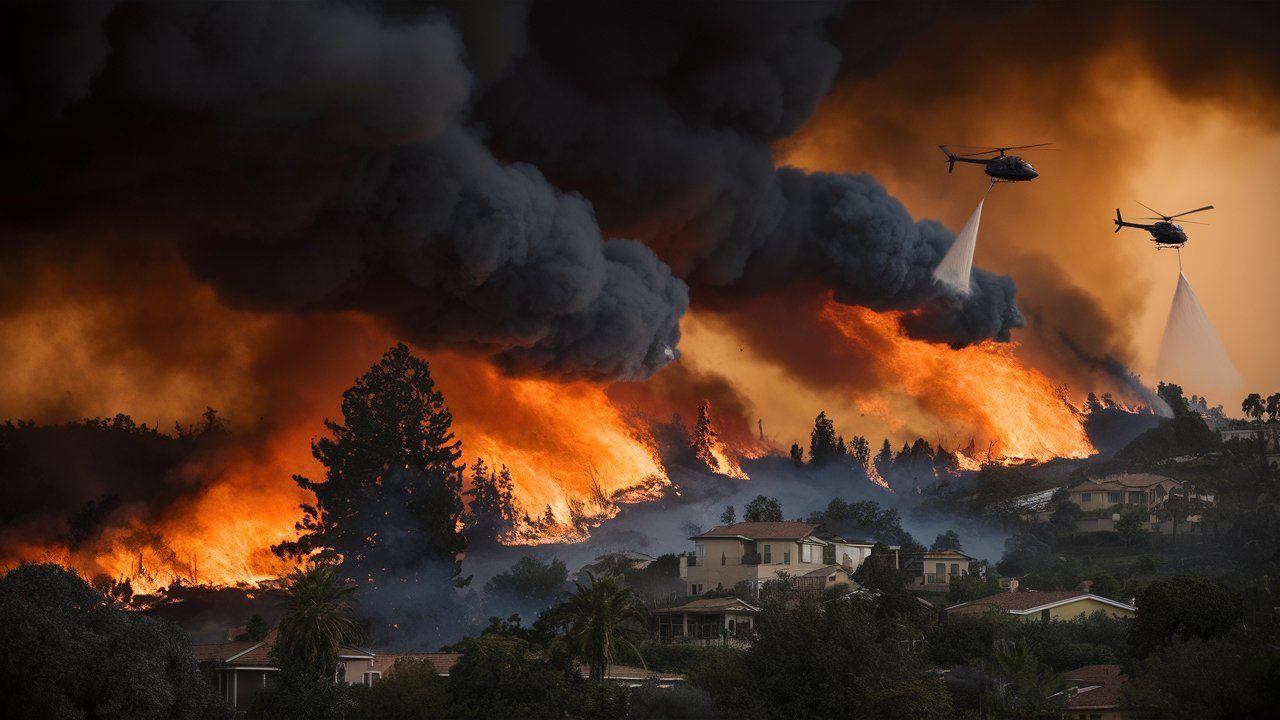
Wildfires are no longer a problem confined to the American West. As of late March 2026, at least seven states — Kentucky, Wyoming, Louisiana, Montana, Kansas, and Alabama — are grappling with dangerous wildfire conditions simultaneously, raising urgent concerns not just about public safety but about the economic survival of tourism-dependent communities across the country.
The conditions driving these fires share a common thread: dry air, strong winds, and landscapes primed to burn. What makes this moment particularly alarming is the geographic spread. These aren’t all neighboring states. They stretch from the Gulf Coast to the Northern Rockies to the Appalachian foothills — a signal that the threat has become truly national in scope.
For travelers, local economies, and the tourism industry, the timing could hardly be worse. Spring travel season is typically when many of these regions see their strongest visitor numbers. With fires spreading fast and conditions deteriorating, that revenue is now in serious jeopardy.
How Kentucky Became the Latest State to Face a Wildfire Crisis
Kentucky’s addition to this growing list is what makes the current situation feel different. The state is not typically associated with wildfire emergencies the way Western states are. But dry conditions, low humidity, and wind events have created dangerous fire weather across parts of the state, placing it alongside regions with far longer histories of wildfire risk.
Fires spread fast under these conditions. Winds intensify danger by pushing flames into new terrain before firefighters can establish containment lines. Dry air removes the natural moisture buffer that would otherwise slow ignition and spread. These aren’t just weather inconveniences — they’re the precise combination of factors that turn a small grass fire into a regional emergency within hours.
Officials have noted that the rapidity with which conditions are worsening leaves little margin for error. Communities near affected areas are being urged to monitor local alerts closely and have evacuation plans ready.
The States Currently in the Crosshairs
The wildfire threat is currently confirmed across a wide band of American geography. Here’s a breakdown of the states involved and the general nature of the risk each faces:
| State | Region Type | Key Risk Factor | Tourism Impact Risk |
|---|---|---|---|
| Kentucky | Appalachian / Midwest | Dry conditions, wind events | High — spring tourism season |
| Wyoming | Mountain West | Low humidity, strong winds | High — outdoor recreation hub |
| Louisiana | Gulf South | Dry air, vegetation dryness | Moderate — bayou and cultural tourism |
| Montana | Northern Rockies | Wind-driven fire spread | High — national park gateway |
| Kansas | Great Plains | Grassfire conditions, open terrain | Moderate — rural and agri-tourism |
| Alabama | Deep South | Dry landscape, wind intensification | Moderate — state park and coastal tourism |
Why Tourism Faces a Collapse Threat — Not Just a Slowdown
The word “collapse” is a strong one, but it reflects a real pattern that plays out whenever wildfires intersect with peak travel periods. When fires break out near popular destinations, the effects ripple outward fast. Travelers cancel bookings. Hotels empty. Outdoor attractions close. Local businesses that depend on seasonal visitors — from trail guides to lakeside restaurants — can lose weeks or months of revenue in a matter of days.
For states like Wyoming and Montana, where national parks and wilderness tourism form the backbone of entire regional economies, a severe fire season doesn’t just reduce visitor numbers. It can wipe out the financial foundation of small towns that have no other major industry to fall back on.
Even states less traditionally associated with tourism-driven economies, like Kansas and Louisiana, have communities where seasonal visitors matter enormously. A grassfire that closes a state park or forces road shutdowns can have outsized consequences for local operators who planned their entire year around spring and summer foot traffic.
Smoke and air quality are also a factor that many travelers don’t initially consider. Even when fires are not immediately threatening a destination, heavy smoke can make outdoor activities dangerous and deeply unpleasant — enough to drive cancellations from visitors who had no intention of being anywhere near the fire itself.
What Travelers and Local Communities Should Do Right Now
If you have travel plans in any of the six affected states, the most important step is to check current fire conditions before you go — and have a contingency plan if conditions change after you arrive. Fire situations can shift dramatically within 24 hours, and roads or attractions that were open when you booked may not be open when you arrive.
Local communities near affected areas should take official evacuation warnings seriously and not wait for a mandatory order to begin preparing. Fires driven by strong winds can move faster than expected, and the window for safe evacuation can close quickly.
For tourism businesses in affected regions, the advice from emergency management professionals consistently points to transparent communication with guests. Proactively reaching out to booked visitors with accurate condition updates — rather than waiting for cancellation requests — tends to preserve more long-term customer relationships even when short-term revenue takes a hit.
What Happens Next as Fire Season Accelerates
The broader concern among fire weather observers is that the conditions currently driving these simultaneous outbreaks — low humidity, dry vegetation, and persistent winds — are not expected to ease quickly. Spring 2026 is shaping up to be an active fire period across a wide swath of the country.
For the tourism industry, the next several weeks will be critical. If fires in key states like Wyoming and Montana are brought under control before the main summer season begins, the economic damage may be contained. If the fire season extends deeper into summer, the losses could be severe and long-lasting for communities that have few alternative revenue sources.
Federal and state fire management agencies are expected to remain at elevated readiness across all six states. Travelers are urged to monitor official state emergency management websites for the most current information before finalizing any plans in affected regions.
Frequently Asked Questions
Which states are currently facing severe wildfire conditions?
Kentucky, Wyoming, Louisiana, Montana, Kansas, and Alabama are all experiencing dangerous wildfire conditions simultaneously as of late March 2026.
Why is Kentucky unusual in this group?
Kentucky is not typically associated with wildfire emergencies the way Western states are, making its inclusion in this group a notable sign of how broadly fire risk has expanded geographically.
How are wildfires threatening tourism?
Fires near popular destinations trigger travel cancellations, force closures of parks and attractions, and generate smoke conditions that make outdoor activities unsafe — all of which can devastate seasonal tourism revenue.
What is driving the fires across so many states at once?
Dry air, low humidity, and strong winds are the primary conditions identified as fueling fire spread across the affected states.
Should I cancel my travel plans to an affected state?
Travelers are advised to closely monitor current fire conditions in their specific destination before traveling and to have contingency plans in place, as conditions can change rapidly.
Are the fires expected to worsen before they improve?
The conditions driving the current outbreak — dry vegetation, low humidity, and persistent winds — are not expected to ease quickly, suggesting continued elevated fire risk in the near term.



Leave a Reply