
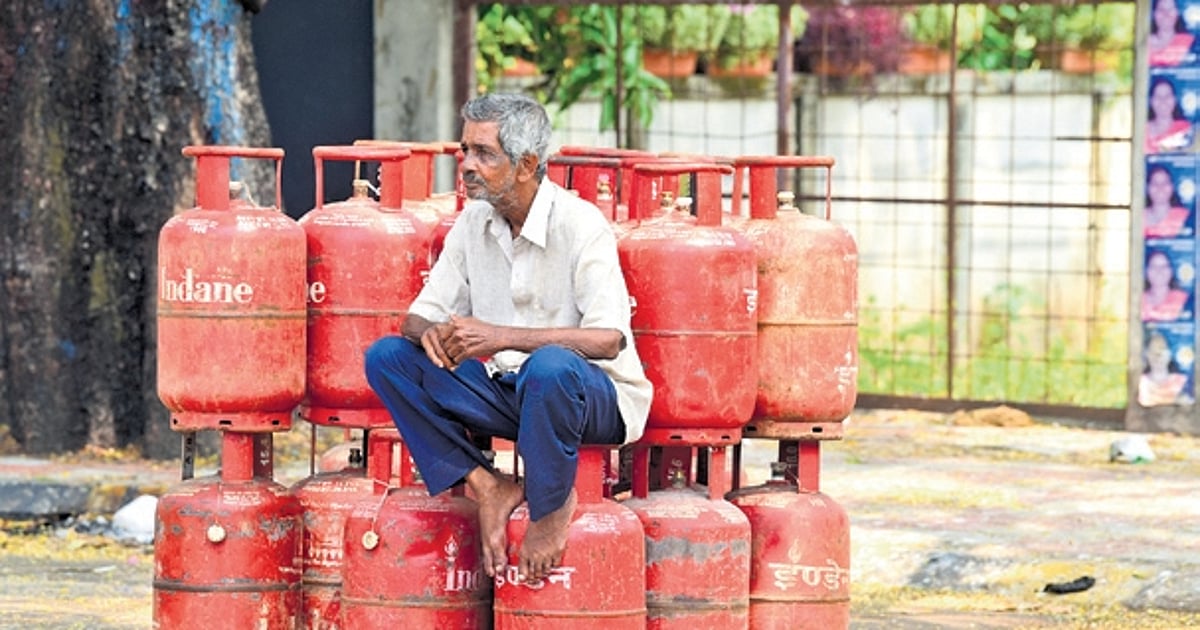
A cooking gas shortage is quietly dismantling one of India’s most beloved travel destinations — and tourists are already feeling it. Kerala, known worldwide for its backwaters, beaches, and lush green landscapes, is struggling through a significant LPG supply crisis in 2026 that has sent shockwaves through the state’s tourism industry.
The disruption isn’t minor. Hotels, restaurants, tour operators, and transport services are all scrambling to keep operations running as the shortage tightens its grip. For travelers with upcoming plans to visit Kerala, the situation raises a serious question: how bad does this get before it gets better?
The ripple effects are already visible. Tourist buses have stalled, travel itineraries are collapsing, and businesses that depend on a steady flow of visitors are facing mounting pressure with no clear resolution in sight.
Why Kerala’s Tourism Industry Is Caught in an LPG Crisis
The root of the problem lies in supply chain disruptions that have cut off reliable access to cooking gas — known as LPG — across the state. When supply chains break down, costs rise and availability shrinks. For a tourism-driven economy like Kerala’s, that combination is particularly damaging.
Hotels and restaurants sit at the center of any tourist experience, and both depend heavily on cooking gas to function. When that fuel becomes scarce or unaffordably expensive, kitchens slow down, menus shrink, and in some cases, properties are forced to temporarily shut their doors.
Tour operators face a different but equally serious problem. Large-scale tourist transport — the buses that ferry visitors between destinations, resorts, and attractions — has been disrupted, leaving travelers stranded or forced to cancel plans entirely. For a state where tourism is one of the key economic pillars, that’s not just an inconvenience. It’s a financial emergency.
What the Shortage Is Actually Disrupting
The breadth of the impact is what makes this crisis so difficult to contain. It’s not isolated to one sector — it’s cutting across the entire tourism ecosystem at once.
| Sector Affected | How the Shortage Is Impacting Operations |
|---|---|
| Hotels | Struggling to maintain kitchen operations due to limited LPG availability |
| Restaurants | Facing increased costs and reduced capacity to serve tourists |
| Tourist Buses | Transport services stalled, causing widespread travel plan disruptions |
| Tour Operators | Scrambling to manage cancellations and keep core operations running |
| Overall Tourism | Peak season viability now under serious question for 2026 |
What’s striking about this list is how interconnected these sectors are. A restaurant that can’t cook loses tourists. A hotel that can’t feed guests loses bookings. A bus service that can’t operate loses the travelers who would have filled those restaurants and hotels in the first place. Each failure compounds the next.
Tourism businesses have been trying to find workarounds — alternative fuel sources, adjusted menus, rerouted transport — but with the shortage affecting the entire state, those solutions are limited and often temporary.
Who Gets Hurt Most — And Why It Matters Beyond Kerala
The immediate victims are clear: tourists who have already booked trips, local business owners who depend on the season’s revenue, and workers employed across Kerala’s hospitality and transport sectors. But the consequences stretch further than that.
Kerala’s reputation as a premium travel destination has been built over decades. Travelers from across India and around the world choose it specifically because of the quality of its food, accommodation, and guided experiences. A crisis that undermines all three simultaneously puts that reputation at risk — not just for this season, but potentially for years to come if visitors walk away with bad memories or no trip at all.
Peak seasons are when tourism businesses make the bulk of their annual income. Disruptions during these windows don’t just reduce revenue — they can determine whether a small hotel or family-run restaurant survives the year.
What Happens Next for Kerala Tourism
The most pressing concern right now is whether the supply chain disruptions causing the LPG shortage can be resolved before the damage to Kerala’s tourism season becomes irreversible. Tourism businesses are actively working to mitigate the fallout, but without a stable supply of cooking gas, their options remain limited.
Officials and industry observers have noted that securing enough cooking gas will be critical to stabilizing the situation. The longer the shortage persists, the harder it becomes for businesses to recover — and the more likely it is that travelers will redirect their plans to other destinations.
For anyone with upcoming travel plans to Kerala, the practical advice is to stay in close contact with hotels and tour operators, confirm that services are running before departure, and build flexibility into itineraries where possible. The situation remains fluid, and conditions on the ground can change quickly.
Kerala has faced and recovered from disruptions before. The state’s tourism infrastructure is resilient, and there is genuine urgency among businesses and local stakeholders to find solutions. But the clock is ticking — and every canceled booking, every stalled bus, and every shuttered kitchen makes the road back a little longer.
Frequently Asked Questions
What is causing the cooking gas shortage in Kerala?
The shortage is primarily caused by disruptions in the LPG supply chain, which has led to increased costs and limited availability of cooking gas across the state.
How is the shortage affecting tourist buses in Kerala?
Tourist bus services have been stalled as a direct result of the shortage, causing widespread cancellations and leaving travelers unable to complete their planned itineraries.
Which sectors of Kerala tourism are most affected?
Hotels, restaurants, tourist transport services, and large tour operators are all impacted, making it difficult for visitors to enjoy a normal stay in the state.
Is Kerala’s peak tourism season at risk?
Yes — the shortage has raised serious concerns about the future of Kerala tourism, particularly during peak seasons when the industry relies most heavily on stable operations.
What are tourism businesses doing to manage the crisis?
Businesses are scrambling to find workarounds and mitigate damage, though the state-wide nature of the shortage makes sustainable solutions difficult to implement quickly.
Should travelers cancel their Kerala trips?
This has not yet been officially confirmed as necessary, but travelers are advised to check directly with their hotels and tour operators before departure to confirm services are running normally.


Leave a Reply