
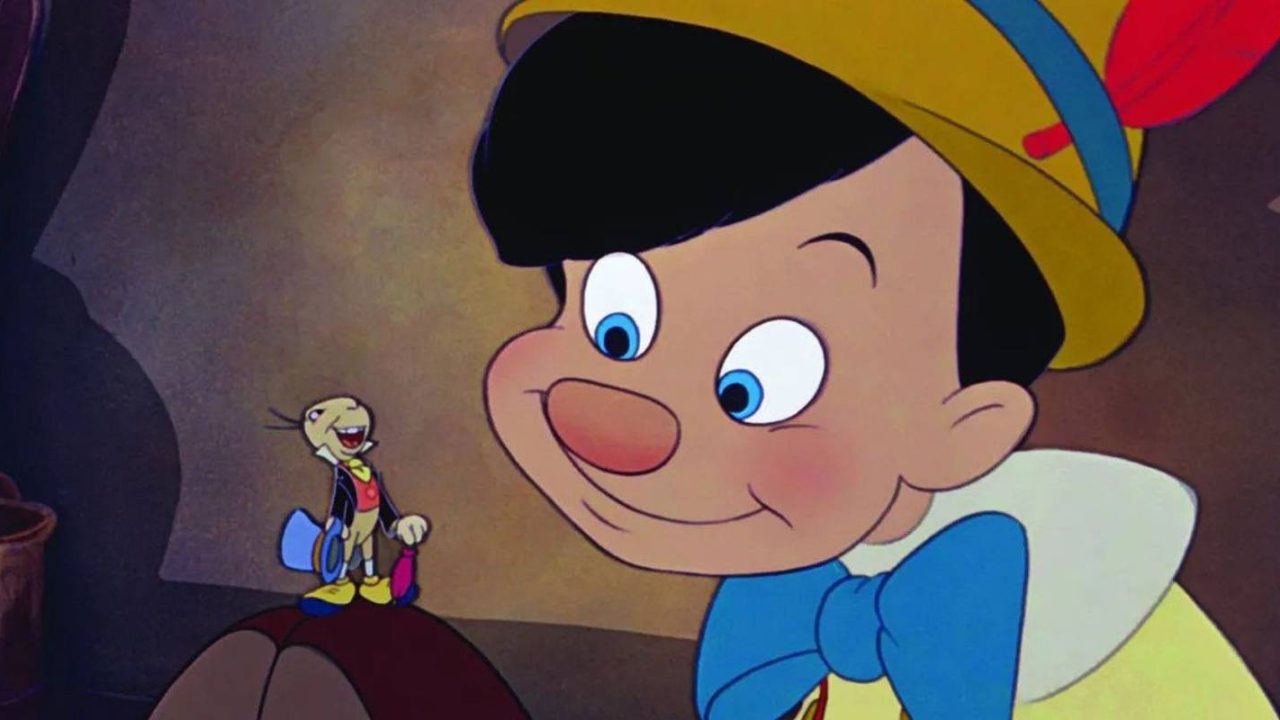
Ask almost anyone to name their favorite movie from childhood, and something remarkable happens — they don’t just name a title. They describe a feeling. A scene. A line of dialogue they still know by heart decades later. The greatest kids movies don’t just entertain; they leave a permanent mark on how we see the world.
Over the last 100 years, animated classics, live-action adventures, and emotionally ambitious stories have competed for a place in that permanent memory. Some were made for children but moved adults to tears. Others looked simple on the surface but carried ideas that took years to fully understand. A handful did both at once — and those are the ones that tend to show up on every “greatest ever” list.
With that in mind, here’s a look at what makes a kids movie truly great, and which films from the last century have the strongest claim to the top of that list — drawing on broadly recognized critical consensus and cultural legacy.
What Actually Makes a Kids Movie “The Greatest”?
The criteria matter here. A great kids movie isn’t simply one that children enjoy — plenty of films do that without leaving any lasting impression. The films that earn the label “greatest” tend to do several things simultaneously: they work on multiple levels for multiple ages, they hold up across decades, they break new technical or storytelling ground, and they deal honestly with real emotions rather than sanitizing the world into something unrecognizable.
The best of them also tend to have a specific quality that’s hard to define but easy to feel — they respect the audience. They don’t talk down to children. They trust that young viewers can handle complexity, grief, wonder, and moral ambiguity, even if they can’t articulate those things yet.
That’s a high bar. Very few films clear it completely. The ones that do tend to be remembered not just by the generation that first saw them, but by every generation that follows.
The Films With the Strongest Case for Greatness
Across critical history and audience legacy, certain titles appear again and again in conversations about the greatest kids movies ever made. These are not obscure picks — they are films that shaped the genre, redefined what animation or family storytelling could do, and remain genuinely watchable today regardless of when you first encountered them.
Among the most consistently celebrated across the last century:
- The Wizard of Oz (1939) — One of the earliest films to demonstrate that a children’s story could carry genuine emotional weight and visual imagination at the same time.
- Bambi (1942) — Disney’s early masterwork, still recognized for its emotional honesty and its willingness to confront loss without softening it.
- Snow White and the Seven Dwarfs (1937) — The film that proved feature-length animation was viable, and which set the template for decades of storytelling that followed.
- E.T. the Extra-Terrestrial (1982) — Steven Spielberg’s defining achievement in family filmmaking, a film that works as pure adventure and as a deeply felt story about loneliness and belonging.
- The Lion King (1994) — Disney’s peak of the Renaissance era, combining Shakespearean structure with emotionally devastating storytelling and a landmark musical score.
- Toy Story (1995) — The film that launched Pixar as a major creative force and introduced a new standard for what animated storytelling could achieve technically and emotionally.
- Spirited Away (2001) — Hayao Miyazaki’s Academy Award-winning masterpiece, widely regarded as one of the greatest films ever made regardless of genre or intended audience.
- Up (2009) — Pixar’s most emotionally ambitious film, opening with a sequence that remains one of the most affecting pieces of cinema of the 21st century.
- WALL-E (2008) — A nearly dialogue-free first act, a love story told in mechanical gestures, and a quietly devastating commentary on consumption and memory.
- The Incredibles (2004) — A superhero film that understood family dynamics better than most dramas aimed at adults, and which has only grown in reputation since its release.
How These Films Stack Up Across the Decades
| Film | Year | Studio / Director | Why It Matters |
|---|---|---|---|
| Snow White and the Seven Dwarfs | 1937 | Disney / David Hand | First feature-length animated film; established the genre |
| The Wizard of Oz | 1939 | MGM / Victor Fleming | Landmark in visual storytelling and emotional depth |
| Bambi | 1942 | Disney / David Hand | Pioneered emotional honesty in children’s animation |
| E.T. the Extra-Terrestrial | 1982 | Universal / Spielberg | Defined the family adventure film for a generation |
| The Lion King | 1994 | Disney / Allers & Minkoff | Peak of Disney Renaissance; emotionally devastating |
| Toy Story | 1995 | Pixar / John Lasseter | Launched Pixar; redefined animated storytelling |
| Spirited Away | 2001 | Studio Ghibli / Miyazaki | Academy Award winner; considered a universal masterpiece |
| The Incredibles | 2004 | Pixar / Brad Bird | Superhero film that doubled as a sharp family drama |
| WALL-E | 2008 | Pixar / Andrew Stanton | Near-silent storytelling; emotionally and technically bold |
| Up | 2009 | Pixar / Pete Docter | Opening sequence among the most powerful in film history |
Why Pixar Dominates the Modern Era
One pattern is impossible to ignore in any serious ranking of the last 100 years of kids cinema: Pixar appears more than any other studio in the conversation about greatness. From Toy Story in 1995 through Up in 2009, the studio produced a run of films that critics and audiences consistently place among the best family movies — and often among the best films of any kind — ever made.
What Pixar understood, better than almost anyone, was that emotional honesty is not a risk in children’s filmmaking — it’s the entire point. Films like WALL-E and Up trusted their audiences completely. They were willing to be sad, to be quiet, to let a scene breathe without filling it with jokes or action.
That approach didn’t just produce great children’s movies. It produced great movies, full stop.
The Films That Changed What Was Possible
Beyond Pixar, the films that earn the highest places in a century-spanning ranking tend to be the ones that genuinely changed what filmmakers believed was possible. Snow White proved animation could sustain a feature. Spirited Away proved that a non-English-language animated film could win the Academy Award and find a massive global audience. E.T. proved that a film could be simultaneously a summer blockbuster and a genuine emotional experience.
Each of these films didn’t just succeed — they opened a door that hadn’t existed before. That’s what separates the truly greatest kids movies from the merely excellent ones.
Frequently Asked Questions
What is generally considered the greatest kids movie ever made?
There is no single definitive answer, but films like Spirited Away, Toy Story, and E.T. the Extra-Terrestrial appear most consistently at the top of critical rankings spanning the last 100 years.
Which studio has produced the most acclaimed kids movies?
Pixar and Disney are the most frequently cited studios in discussions of the greatest children’s films, with Pixar dominating the modern era from 1995 onward.
Is Spirited Away really considered one of the greatest kids movies ever?
Yes — Hayao Miyazaki’s Spirited Away won the Academy Award for Best Animated Feature and is widely regarded by critics as one of the greatest films ever made regardless of genre.
Do any live-action films compete with animated movies on these lists?
Yes — The Wizard of Oz (1939) and E.T. the Extra-Terrestrial (1982) are among the live-action films that consistently appear alongside animated classics in greatest-ever rankings.
What makes a kids movie stand the test of time?
Films that endure tend to work on multiple emotional levels, treat young audiences with respect, and deal honestly with real feelings rather than presenting an unrealistically simple version of the world.
Are older films like Snow White still considered relevant today?
Snow White and the Seven Dwarfs (1937) remains historically significant as the first feature-length animated film and is still recognized for establishing the foundation of the entire genre.

Leave a Reply