
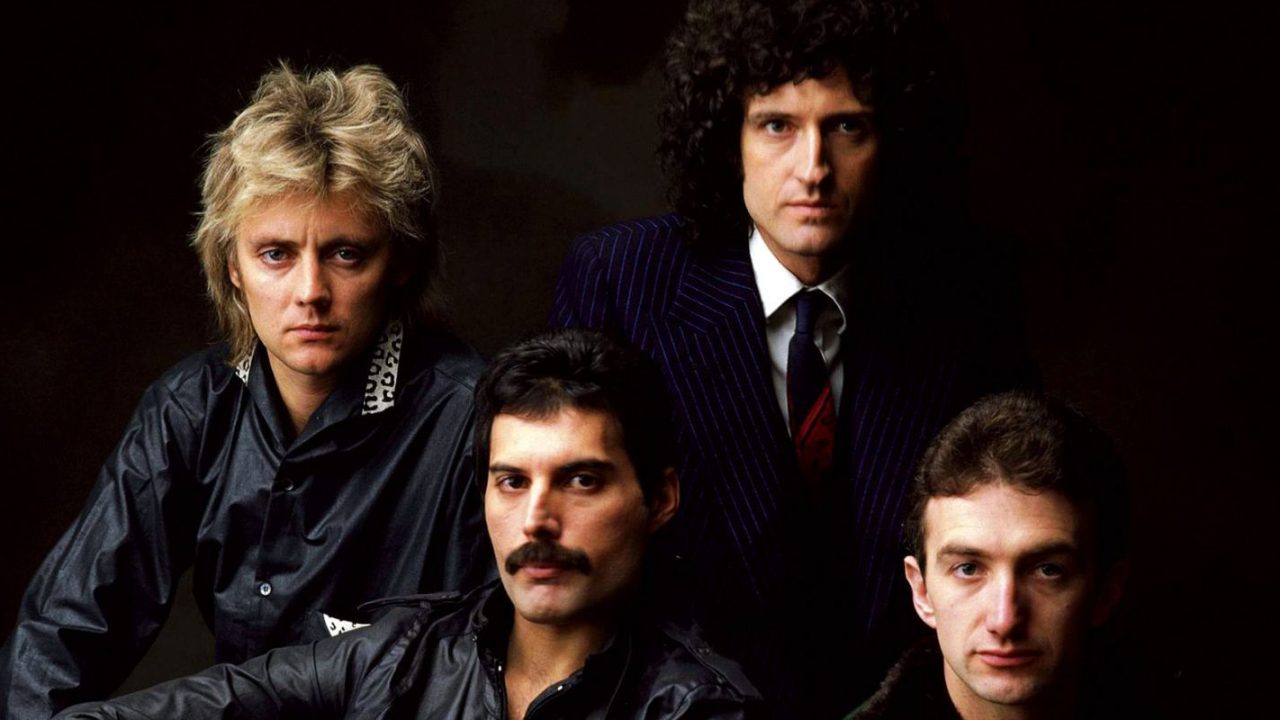
Every band has a defining moment — a song that stops being just another track and becomes the sound of something bigger. For Queen, that moment arrived in 1974, when a single from their second album crossed the Atlantic and made its first real mark on the American charts.
The song was “Killer Queen”, and it remains one of the most celebrated rock tracks of the decade. Released in October 1974 as part of the album Sheer Heart Attack, it became Queen’s breakthrough hit on the Billboard Hot 100, cracking the US chart in a way their earlier material had not managed to do.
For a band still finding their footing with American audiences, it was a turning point that helped set the stage for everything that followed — including one of the most famous live performances in rock history, years later at Wembley Stadium.
Why “Killer Queen” Was the Song That Changed Everything for Queen in America
Before “Killer Queen,” Queen had released two albums and built a devoted following in the UK. But the United States was a harder market to crack, and their earlier singles had not made a significant dent in the American charts.
“Killer Queen” changed that. The song was written by Freddie Mercury and stood apart from much of what rock radio was playing at the time. It was theatrical, melodically intricate, and lyrically sharp — a portrait of a high-society woman delivered with camp wit and genuine vocal virtuosity. It was not the kind of song that sounded like anything else on the radio in 1974.
That distinctiveness turned out to be exactly what worked. The track climbed the Billboard Hot 100 and gave Queen their first real foothold with American listeners, establishing the band as something worth paying attention to on both sides of the Atlantic.
What Made the Song Stand Out in 1974
Rock in 1974 was a broad church — everything from hard blues-influenced riffs to the early stirrings of glam and prog. Queen had elements of all of it, but “Killer Queen” leaned into something more precise and polished than most of their contemporaries were attempting.
Freddie Mercury’s vocal performance was central to the song’s appeal. His range and theatrical delivery gave the track an operatic quality that felt genuinely original. The guitar work from Brian May, the rhythm section of Roger Taylor and John Deacon — everything clicked in a way that felt both accessible and sophisticated.
The production, handled by Roy Thomas Baker and the band themselves, layered harmonies and textures in a way that would become a Queen signature. “Killer Queen” was, in many ways, a preview of the ambition that would eventually produce “Bohemian Rhapsody” a year later.
Queen’s Chart Journey: From the UK to the Billboard Hot 100
To understand why the Billboard Hot 100 breakthrough mattered so much, it helps to look at where Queen had been before “Killer Queen” arrived.
| Year | Album / Single | Notable Chart Performance |
|---|---|---|
| 1973 | Queen (debut album) | Limited US chart impact |
| 1974 | Queen II | Stronger UK reception; US breakthrough still pending |
| 1974 | “Killer Queen” / Sheer Heart Attack | First significant Billboard Hot 100 entry — US breakthrough |
The pattern is clear. Queen spent their early years building momentum, and “Killer Queen” was the track that finally translated that momentum into American chart success. It was not an overnight sensation — it was the payoff of two years of groundwork.
The Legacy This One Song Helped Build
It would be easy to treat “Killer Queen” as a footnote to Queen’s bigger catalogue moments — “Bohemian Rhapsody,” “We Will Rock You,” “We Are the Champions,” “Don’t Stop Me Now.” But that framing gets the history backwards.
Without “Killer Queen” opening the door in the United States, it is genuinely unclear whether those later songs would have landed the same way. American radio programmers and audiences had to believe in Queen before they would embrace a six-minute operatic rock epic with no conventional chorus structure. “Killer Queen” gave them a reason to believe.
The song also confirmed something important about what Queen was as a band. They were not going to fit neatly into any single genre. They were going to be theatrical, ambitious, and slightly unpredictable — and “Killer Queen” announced all of that before most people in America had even heard of Freddie Mercury.
Why This 1974 Classic Still Resonates Today
More than fifty years after its release, “Killer Queen” has not faded into the kind of nostalgic curiosity that traps a lot of 1970s rock. It still sounds vital, partly because its qualities — the sharp lyrical wit, the layered production, the vocal performance — are genuinely timeless, and partly because Queen’s overall legacy has only grown since Freddie Mercury’s death in 1991.
Films like Bohemian Rhapsody, released in 2018, introduced the band’s catalogue to entirely new generations of listeners. For many of those listeners, tracing the band’s history back to 1974 reveals just how early Queen figured out who they were — and “Killer Queen” is right there at the centre of that discovery.
The song remains a staple of classic rock radio, streaming playlists, and live tributes. It is, by any measure, one of the great singles of its era — and the one that made America finally take notice of a band that would go on to become one of the biggest in the world.
Frequently Asked Questions
What was Queen’s breakthrough hit on the Billboard Hot 100?
“Killer Queen,” released in 1974, is widely recognised as Queen’s breakthrough hit on the Billboard Hot 100, giving the band their first significant US chart success.
Who wrote “Killer Queen”?
“Killer Queen” was written by Freddie Mercury and appeared on Queen’s 1974 album Sheer Heart Attack.
When was “Killer Queen” released?
The song was released in October 1974 as a single tied to the album Sheer Heart Attack.
Why did “Killer Queen” succeed where Queen’s earlier singles had not?
The song’s theatrical style, sophisticated production, and Freddie Mercury’s distinctive vocal performance set it apart from other rock releases of the era, helping it connect with American audiences in a way Queen’s earlier material had not.
Did “Killer Queen” lead directly to Queen’s later success in America?
The song is broadly seen as the turning point that established Queen’s credibility with US audiences, paving the way for the massive success of later releases including “Bohemian Rhapsody” in 1975.
Is “Killer Queen” still considered an important song in Queen’s catalogue?
Yes — it is consistently cited as one of Queen’s defining tracks and remains a staple of classic rock radio and streaming platforms more than fifty years after its release.


Leave a Reply