
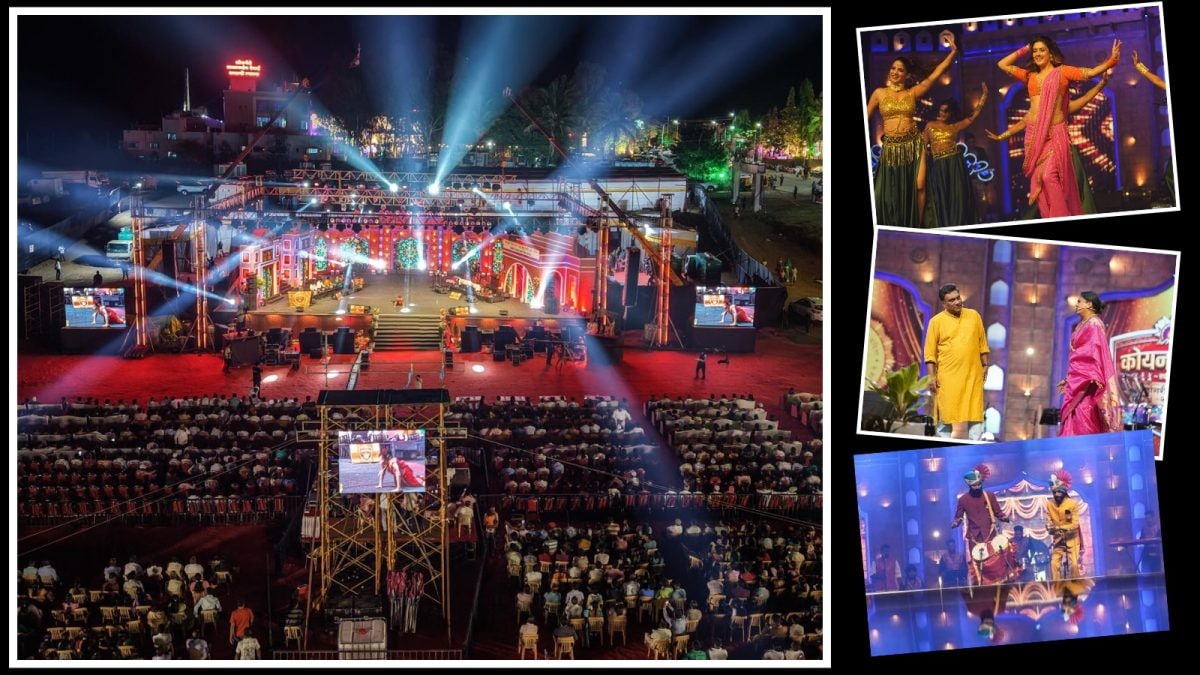
A five-day festival launching on April 2, 2026 is about to put one of Maharashtra’s most scenic and underexplored regions on the national tourism map — and possibly the international one too.
The Koyna Daulat Dongri Festival 2026 is a newly announced event organized by Maharashtra Tourism in coordination with the District Administration of Satara and the Regional Tourism Directorate of Pune. Its focus: the rugged landscapes of Patan and the broader Satara district, nestled within the Sahyadri mountain range. For a region that has long flown under the radar of mainstream travel circuits, this marks a genuine turning point.
Officials behind the initiative have described it as a deliberate effort to shift Patan and the Sahyadri range from being a local secret to a recognized destination for adventure tourism and cultural heritage — both within India and beyond its borders.
Why the Sahyadri Range Is at the Heart of This Festival
The Sahyadri mountains — also known as the Western Ghats — run along Maharashtra’s western edge and represent one of India’s most biodiverse and visually dramatic landscapes. The Patan region sits within this corridor, surrounded by dense forest, river valleys, and elevation changes that make it a natural draw for trekkers, wildlife enthusiasts, and anyone looking to escape the urban grind.
Despite this natural wealth, the area has historically lacked the infrastructure and promotional visibility needed to attract large-scale tourism. The Koyna Daulat Dongri Festival is designed to address exactly that gap. By bringing organized programming, government backing, and media attention to the region over five consecutive days, organizers are betting that the exposure alone will generate lasting interest.
The festival’s name itself references the local geography: Koyna points to the Koyna River and its famous reservoir, while Daulat Dongri refers to a hill in the area with cultural and historical significance. Together, they signal that this event is rooted in the land it celebrates, not parachuted in from outside.
What the Festival Actually Involves
The event runs from April 2 to April 6, 2026, giving visitors a full five-day window to engage with the programming. Based on the official announcement, the festival is structured around two primary pillars: adventure tourism and cultural heritage.
| Detail | Information |
|---|---|
| Festival Name | Koyna Daulat Dongri Festival 2026 |
| Dates | April 2 – April 6, 2026 |
| Duration | Five days |
| Location | Patan, Satara District, Maharashtra |
| Mountain Range | Sahyadri (Western Ghats) |
| Organizing Bodies | Maharashtra Tourism, District Administration of Satara, Regional Tourism Directorate of Pune |
| Key Focus Areas | Adventure tourism, cultural heritage |
The involvement of Tourism Minister Shambhuraj Desai signals that this is not a grassroots community event operating on a shoestring — it has government priority and the institutional weight to back it up. That backing matters when it comes to attracting both domestic visitors and international travel operators who look for credibility before recommending a destination.
What This Means for the Region and Its People
For local communities in and around Patan, a festival of this scale carries real economic implications. When a region earns recognition as a tourism destination — particularly through government-promoted events — the downstream effects typically include increased demand for local accommodation, food, transport, and guide services.
The announcement specifically frames the festival as a vehicle for improving the region’s economic and cultural visibility. That phrasing matters. Cultural visibility means the stories, traditions, and identity of the Sahyadri region get told to a wider audience. Economic visibility means businesses and livelihoods in the area stand to benefit from increased footfall.
For adventure travelers specifically, Patan’s position within the Sahyadri range offers access to terrain that rivals better-known trekking destinations in India. The festival appears designed to make that case loudly and officially, giving travelers a concrete reason — and a specific window of time — to show up and experience it firsthand.
The broader Satara district also benefits from being associated with an event that draws national and international attention. Tourism in one part of a district has a way of encouraging visitors to explore neighboring areas, creating a ripple effect that extends well beyond the festival grounds.
What Happens After the Festival Ends
The stated goal of placing Patan and Satara district on both national and international tourism maps suggests this festival is intended as a launch pad, not a one-off event. The language used by organizers points toward a longer-term strategy of building tourism infrastructure and awareness in the region.
Whether that ambition translates into repeat editions of the festival, sustained marketing campaigns, or infrastructure investment remains to be seen. What the April 2026 dates do provide is a concrete, time-bound opportunity for travelers, travel operators, and journalists to visit the region and form their own impressions.
For anyone with an interest in the Western Ghats, adventure travel in Maharashtra, or simply discovering parts of India that haven’t yet been overrun by tourist crowds, the Koyna Daulat Dongri Festival offers a well-timed entry point. The Sahyadri range has always been there — this festival is simply making it easier to pay attention.
Frequently Asked Questions
When does the Koyna Daulat Dongri Festival 2026 take place?
The festival runs from April 2 to April 6, 2026, spanning five days.
Where is the festival being held?
It is held in Patan, located in the Satara district of Maharashtra, within the Sahyadri mountain range.
Who is organizing the Koyna Daulat Dongri Festival?
The event is organized by Maharashtra Tourism in coordination with the District Administration of Satara and the Regional Tourism Directorate of Pune.
What is the main purpose of the festival?
The festival aims to promote the scenic landscapes of Patan and Satara district, highlighting their potential for adventure tourism and cultural heritage on both national and international tourism maps.
What types of activities does the festival focus on?
The festival is centered on two primary pillars: adventure tourism and cultural heritage, taking advantage of the Sahyadri range’s natural terrain and local traditions.
Is this a government-backed event?
Yes. The festival has official backing from Maharashtra Tourism and the involvement of Tourism Minister Shambhuraj Desai, as noted in the official announcement.


Leave a Reply