
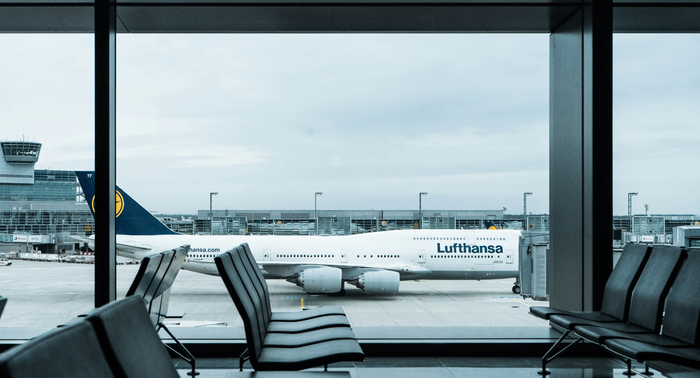
Some of the most-traveled air corridors between Europe and the Middle East are operating under a cloud of uncertainty right now — and if you have a flight booked to Dubai, Tel Aviv, Riyadh, or Beirut, that uncertainty may already be affecting your plans.
Major European carriers including Lufthansa and Air France have reduced or temporarily suspended selected routes to key Middle Eastern destinations, citing ongoing concerns about regional airspace safety. The changes are not minor scheduling tweaks. For thousands of travelers, they mean rebooked connections, limited seat availability, and real disruption to journeys that were planned weeks or months in advance.
Aviation authorities across Europe and the Gulf region are actively monitoring the situation, but as of now, no firm timeline has been given for a full return to normal operations.
What Is Actually Happening With Middle East Flights
The disruption stems from continued uncertainty in parts of Middle Eastern airspace. Airlines operating long-haul and medium-haul routes through the region have determined that, for now, adjusting their networks is the safest course of action for passengers and crew alike.
Lufthansa and Air France are among the highest-profile carriers to act. Both airlines have reduced service on selected routes rather than conducting full cancellations across the board — meaning some flights are still operating, but with altered schedules, reduced frequencies, or rerouted flight paths that add time and complexity to journeys.
The affected destinations — Dubai, Tel Aviv, Riyadh, and Beirut — represent some of the busiest travel and business corridors between Europe and the Middle East. These are not obscure routes. They carry tourists, business travelers, expatriates, and transit passengers connecting onward to Asia, Africa, and beyond.
Routes and Destinations Under Pressure
The core facts confirmed so far involve a specific set of high-demand routes and a clear pattern of airline caution. Here is what is known about the scope of the disruption:
- Dubai: A major global hub and one of the world’s busiest airports, now seeing reduced European carrier service on select frequencies.
- Tel Aviv: Already a sensitive route given regional tensions, now facing further schedule adjustments by European airlines.
- Riyadh: Saudi Arabia’s capital and a fast-growing business aviation market, affected by route reductions.
- Beirut: A destination that has faced repeated flight disruptions in recent years, now again impacted by regional airspace concerns.
| Destination | Status | Airlines Affected |
|---|---|---|
| Dubai | Reduced service on selected routes | Lufthansa, Air France |
| Tel Aviv | Schedule adjustments in place | Lufthansa, Air France |
| Riyadh | Reduced frequencies confirmed | Lufthansa, Air France |
| Beirut | Temporary suspension on selected routes | Lufthansa, Air France |
How This Affects Travelers Right Now
If you have a booking on any of the affected routes, the most immediate impact is likely to be schedule changes and reduced seat availability. When airlines cut frequencies, the remaining flights fill up faster — which means rebooking options narrow quickly, and prices on alternative routes can rise sharply.
Travelers connecting through Middle Eastern hubs to destinations in Asia or Africa may also find their onward connections disrupted, even if their final destination is not one of the four cities named. Reduced European feeder traffic into hubs like Dubai has a ripple effect across the entire network.
Airlines are described as prioritizing passenger safety and operational stability, which means further adjustments are possible if airspace conditions do not improve. Travelers are advised to check their booking status directly with their carrier before heading to the airport and to register for any flight alerts offered by their airline.
Business travelers — particularly those with fixed meeting schedules in Riyadh or Dubai — face the sharpest practical consequences. Fewer flights means less flexibility, and rerouted journeys that avoid affected airspace can add hours to what should be straightforward trips.
What Airlines and Authorities Are Doing Next
Aviation authorities and airlines are described as monitoring conditions closely before restoring normal operations. The language used by carriers suggests this is a fluid, developing situation rather than a fixed, long-term restructuring of their networks.
The pattern is consistent with how airlines have handled similar airspace concerns in the past: gradual adjustments, cautious monitoring, and a phased return to full operations once conditions are deemed safe. The emphasis from carriers has been on stability and safety rather than speed of recovery.
For now, travelers should treat their Middle East bookings as potentially subject to change and build flexibility into their plans where possible. Direct communication with airlines — rather than waiting for notifications — is the most reliable way to stay ahead of further changes.
The situation continues to develop, and further updates from both airlines and regional aviation authorities are expected as conditions evolve.
Frequently Asked Questions
Which airlines have reduced Middle East flights?
Lufthansa and Air France have both reduced or temporarily suspended selected routes to key Middle Eastern destinations, citing regional airspace safety concerns.
Which destinations are affected by these flight disruptions?
The confirmed affected destinations include Dubai, Tel Aviv, Riyadh, and Beirut.
Are all flights to these destinations cancelled?
No — airlines have reduced or adjusted selected routes rather than cancelling all services, meaning some flights are still operating on altered schedules or rerouted paths.
Why are airlines cutting these routes?
The reductions reflect continued uncertainty in parts of Middle Eastern airspace, with airlines prioritizing passenger safety and operational stability.
When will normal flight operations resume?
No firm timeline has been confirmed. Aviation authorities and airlines are monitoring conditions closely before restoring normal operations.
What should travelers with existing bookings do?
Travelers should check their booking status directly with their airline and sign up for flight alerts, as schedules remain subject to further change while the situation develops.




Leave a Reply