
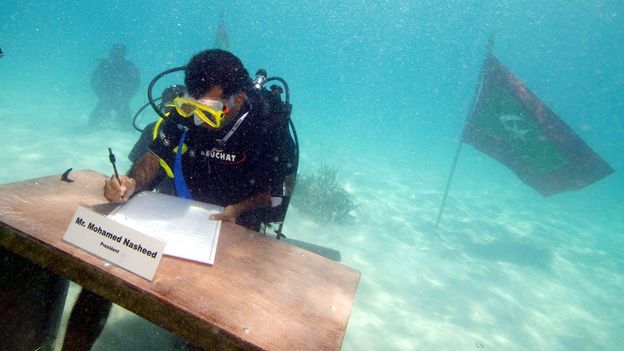
Three of the world’s biggest airlines — British Airways, Lufthansa, and Qatar Airways — have been forced to reroute flights due to the ongoing Middle East conflict, and the Maldives is feeling the impact directly. Tourist arrivals have taken a measurable hit as delays and cancellations pile up, disrupting travel plans for thousands of visitors who had the island nation firmly on their itineraries.
Yet despite the turbulence, the Maldives isn’t sitting still. Five major source markets — the United Kingdom, Germany, China, Russia, and India — have continued sending visitors, forming the backbone of a cautious but real recovery. And the government has moved quickly to open new doors, launching a Remote Working Visa and a Content Creator visa program designed to attract a different kind of traveler entirely.
The story unfolding in the Maldives right now is part aviation crisis, part policy innovation — and it matters to anyone planning a long-haul trip to one of the world’s most sought-after destinations.
How Flight Rerouting Is Hammering Maldives Arrivals
The Middle East conflict has created a cascading effect across global aviation. Airlines that traditionally route long-haul flights through Middle Eastern airspace — or rely on regional hubs — have been compelled to find alternatives. For carriers like British Airways, Lufthansa, and Qatar Airways, that means longer flight times, higher operating costs, and in some cases, outright cancellations on certain routes.
For the Maldives, which depends almost entirely on international air travel to sustain its tourism economy, this is a serious problem. There are no road trips to Malé. Every visitor arrives by plane, which means any significant disruption to global flight networks lands squarely on the country’s arrival numbers.
The rerouting doesn’t just inconvenience travelers — it makes flights longer, more expensive, and in some markets, simply less available. That combination has translated into a direct drop in tourist arrivals, putting pressure on resorts, guesthouses, and the broader hospitality sector that the Maldives relies on for economic stability.
The Five Markets Keeping Maldives Tourism Afloat
Even as arrivals face headwinds, five key source markets have emerged as the stabilizing force in Maldives tourism recovery. Each brings a different traveler profile and a different set of motivations for making the trip despite the disruptions.
| Country | Role in Recovery |
|---|---|
| United Kingdom | Leading source market, maintaining steady visitor flow |
| Germany | Key European market sustaining arrival numbers |
| China | Major Asia-Pacific contributor to recovery |
| Russia | Continued visitor presence amid global disruptions |
| India | Proximity-driven demand supporting consistent arrivals |
India’s role is particularly notable given its geographic proximity — shorter flights mean less exposure to the rerouting disruptions affecting long-haul carriers. The UK and Germany, meanwhile, represent the high-spending European travelers that luxury Maldives resorts depend on. China’s continued engagement signals that appetite for the destination among high-income Asian travelers hasn’t evaporated. Russia’s presence rounds out a diverse recovery coalition that gives the Maldives some insulation from over-reliance on any single market.
The Remote Working Visa and Content Creator Program
Rather than simply waiting for aviation routes to normalize, the Maldives government has taken a proactive step: introducing a Remote Working Visa and a Content Creator visa program aimed at drawing in a new category of visitor.
The logic is straightforward. Remote workers and digital content creators don’t just visit — they stay longer, spend more consistently, and often share their experiences with large online audiences. A travel influencer documenting life in the Maldives reaches potential visitors that no traditional advertising campaign can match. A remote worker staying for weeks rather than days generates sustained economic activity across accommodation, dining, and local services.
These programs represent a deliberate pivot in how the Maldives thinks about tourism. Instead of purely chasing arrival numbers — a metric that’s currently being suppressed by factors outside the country’s control — the government is focusing on visitor quality, length of stay, and economic impact per traveler.
- The Remote Working Visa targets professionals who can work from anywhere and are looking for an inspiring, tropical base
- The Content Creator visa is designed to attract social media creators, photographers, and digital storytellers
- Both programs aim to increase average length of stay and per-visitor spending
- The initiatives also serve as a marketing channel — content creators generate organic visibility for the destination
What This Means If You’re Planning to Visit
If you’re a traveler with the Maldives on your radar, the current situation is worth understanding before you book. Flight disruptions are real, and depending on your departure city and preferred airline, you may encounter longer journey times or limited direct options. Checking current routing for British Airways, Lufthansa, and Qatar Airways before committing to dates is a practical step.
On the other hand, the Maldives is actively competing for your visit. The government’s new visa programs signal that the destination is open, motivated, and willing to offer flexible arrangements for travelers who want to stay longer. If you’ve ever considered combining a remote work stint with a tropical backdrop, the Maldives has now formally made that easier.
For travelers from the UK, Germany, China, Russia, or India specifically, the destination remains well-connected and actively courting visitors from those markets — which may translate to competitive pricing and availability as operators work to fill capacity.
What the Road Ahead Looks Like for Maldives Tourism
The immediate challenge — flight disruptions driven by Middle East conflict — isn’t something the Maldives can solve on its own. That situation will evolve based on geopolitical developments beyond any tourism ministry’s control. What the government can control is how it positions the destination and what it offers travelers in the meantime.
The Remote Working Visa and Content Creator program suggest officials are thinking beyond the short-term arrival slump. If these programs attract a steady stream of longer-stay visitors, they could meaningfully offset some of the losses from reduced traditional tourist arrivals. They also diversify the visitor base in ways that could prove valuable long after current flight disruptions ease.
The five leading recovery markets — UK, Germany, China, Russia, and India — will remain critical in the months ahead. Their continued engagement provides the foundation the Maldives needs while the broader aviation landscape stabilizes.
Frequently Asked Questions
Which airlines have been affected by rerouting to and from the Maldives?
British Airways, Lufthansa, and Qatar Airways have all been forced to reroute flights due to the ongoing Middle East conflict, causing delays and cancellations that have impacted tourist arrivals.
Which countries are leading the Maldives tourism recovery?
The United Kingdom, Germany, China, Russia, and India have emerged as the five primary source markets sustaining visitor numbers during the current disruption period.
What is the Maldives Remote Working Visa?
It is a visa program introduced by the Maldives government to attract remote workers who can base themselves in the islands for an extended period, increasing length of stay and economic contribution per visitor.
What is the Content Creator visa program?
The Content Creator visa is designed to attract social media influencers, photographers, and digital storytellers to the Maldives, with the dual aim of boosting tourism and generating organic online visibility for the destination.
Is it still safe and practical to travel to the Maldives right now?
Will the flight disruptions be permanent?
This has not been confirmed in the available source material. The disruptions are linked to the ongoing Middle East conflict, which means the situation may change as geopolitical conditions evolve.

Leave a Reply