
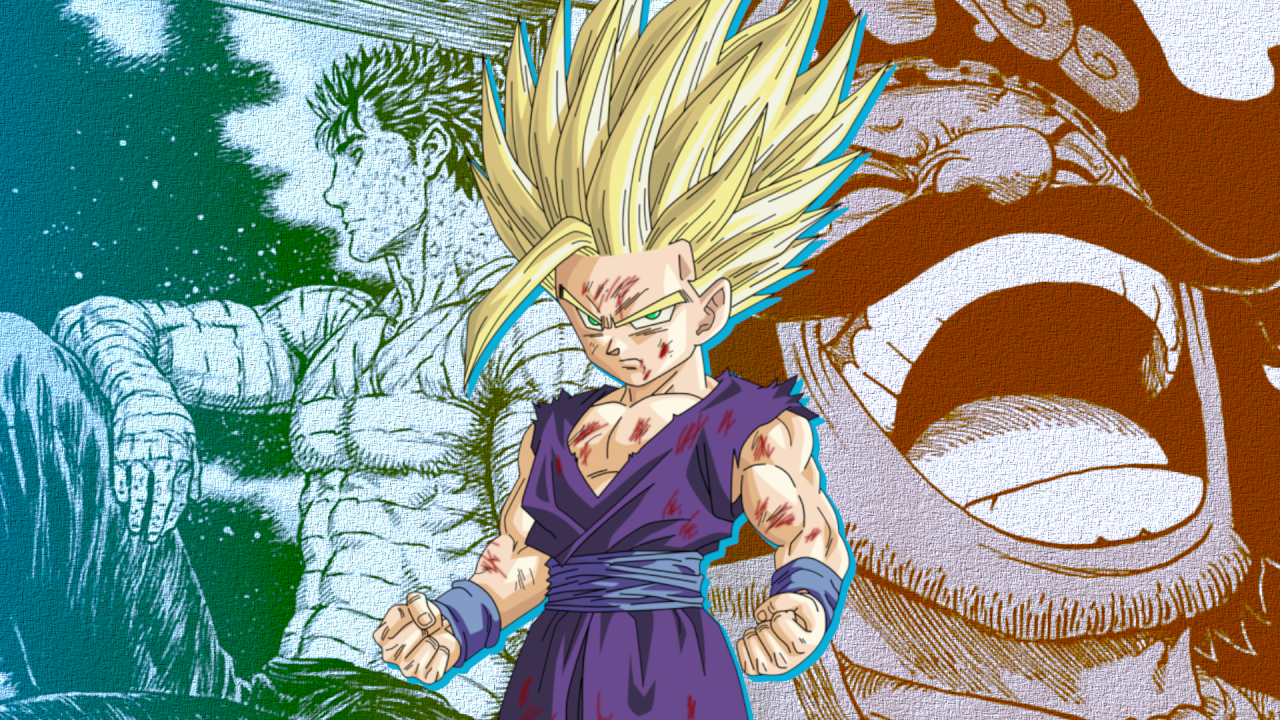
Some images in manga don’t just tell a story — they stop time. A single panel can carry the weight of an entire arc, a character’s lifetime of pain, or a moment so perfectly drawn that it gets burned into your memory forever. That’s the strange, specific power of manga as an art form: unlike film or animation, everything hinges on one frozen frame.
The question of which panels deserve to be called the most iconic of all time is one that manga fans have debated for decades. It cuts across genres, generations, and art styles. What makes a panel truly iconic isn’t just technical skill — it’s the combination of timing, emotion, composition, and cultural impact that makes millions of readers feel the same thing at the same moment.
Because
Why Certain Manga Panels Become Cultural Landmarks
Manga has been published in Japan since the late 19th century, but the modern era of iconic panel-making really took hold in the postwar period. Artists like Osamu Tezuka — widely called the “God of Manga” — established visual storytelling techniques that influenced every creator who followed. The concept of using a single panel as an emotional anchor, rather than just a narrative beat, became central to how manga is constructed.
What separates a memorable panel from a truly iconic one is cultural penetration. An iconic panel gets referenced in other works, recreated by fans, printed on merchandise, and discussed in academic writing about visual art. It escapes the page and becomes something larger — a shared cultural touchstone that people recognize even without having read the series.
The panels that tend to reach this status share a few qualities: they arrive at a moment of maximum emotional tension, they use composition and negative space deliberately, and they often recontextualize everything the reader thought they knew about the story up to that point.
The Most Iconic Manga Panels and What Makes Them Unforgettable
Across the history of the medium, certain panels from certain series appear again and again in conversations about the best the art form has ever produced. These come from some of the most widely read and critically respected manga of all time.
| Manga Series | Creator | Why the Panel Is Considered Iconic |
|---|---|---|
| Berserk | Kentaro Miura | The Eclipse sequence panels are widely cited as among the most emotionally devastating in manga history, combining intricate detail with horror and tragedy |
| Dragon Ball | Akira Toriyama | Goku’s first Super Saiyan transformation is one of the most reproduced images in manga and anime culture globally |
| Naruto | Masashi Kishimoto | Key emotional panels — particularly those involving sacrifice and loss — are consistently ranked among the most impactful in shonen manga |
| One Piece | Eiichiro Oda | Panels depicting crew separations and major revelations are celebrated for Oda’s ability to convey scale and emotion simultaneously |
| Vagabond | Takehiko Inoue | Inoue’s brushwork creates panels of almost painterly quality, frequently cited by artists as technically unmatched in the medium |
| Fullmetal Alchemist | Hiromu Arakawa | Panels centered on equivalent exchange and sacrifice resonate deeply with readers for their thematic clarity and emotional honesty |
The Art Behind the Image — What Manga Artists Actually Do Differently
What separates the artists behind these panels from their peers isn’t just talent — it’s an almost architectural understanding of how a reader’s eye moves across a page. Manga artists control pacing, tension, and release entirely through visual composition, without the assistance of sound, color (in most cases), or motion.
Kentaro Miura, whose work on Berserk is frequently described as the pinnacle of detailed manga art, reportedly spent extraordinary amounts of time on single panels — layering crosshatching and shadow to a degree that rivals fine art illustration. His sudden passing in 2021 made certain panels feel even more weighted with significance.
Takehiko Inoue of Vagabond approaches manga with traditional brushwork that gives his panels a texture almost no other artist in the medium has replicated. Critics and fellow artists alike consider his work a bridge between manga and fine art.
Akira Toriyama’s style is the opposite in approach but equal in impact — clean, dynamic, and built for kinetic energy. The visual grammar he developed for Dragon Ball became the default template for shonen action manga for the next 40 years.
Why These Panels Still Matter to New Readers Today
Manga readership outside Japan has grown dramatically over the past two decades. Global platforms, digital distribution, and the explosion of anime adaptations have introduced hundreds of millions of new readers to series that were once only accessible to dedicated fans willing to import physical volumes.
For those readers, encountering these panels for the first time carries the same charge it did for Japanese audiences decades ago. The emotional architecture holds. A panel that made a teenager in Tokyo feel something profound in 1990 tends to land with the same force for a teenager in São Paulo or Lagos or Chicago today.
That universality — the ability of a single drawn image to communicate grief, triumph, or awe across every language and cultural barrier — is what makes manga’s greatest panels genuinely historic, not just popular.
What the Conversation Around Iconic Panels Tells Us About Manga as an Art Form
The ongoing debate about which panels belong on any “greatest of all time” list is itself a reflection of how seriously the global manga community takes the medium. These aren’t just entertainment products being ranked — they’re works of art being evaluated on the same terms as any visual medium.
The fact that fans, critics, and fellow artists return to the same handful of panels again and again suggests something important: manga, at its best, achieves something that very few art forms can — the compression of an entire emotional universe into a single, silent image.
Frequently Asked Questions
What makes a manga panel “iconic” rather than just well-drawn?
An iconic panel combines emotional impact, compositional skill, and cultural reach — it gets referenced, recreated, and recognized far beyond the original readership of the series it comes from.
Which manga series appears most often in discussions of iconic panels?
Series like Berserk, Dragon Ball, Naruto, One Piece, Vagabond, and Fullmetal Alchemist are consistently cited in conversations about the most memorable panels in manga history.
Who is considered the most technically skilled manga artist in terms of panel composition?
Kentaro Miura (Berserk) and Takehiko Inoue (Vagabond) are most frequently named by critics and fellow artists as the technical peaks of the medium, each for very different stylistic reasons.
Do iconic manga panels lose their impact when adapted into anime?
Many fans argue that animated adaptations, while powerful in their own right, rarely match the stillness and weight of the original manga panel — the frozen image often carries more emotional force than motion.
Is manga considered a legitimate art form by the broader art world?
Increasingly, yes. The work of artists like Inoue and Miura is discussed in fine art contexts, and major museums and cultural institutions have hosted manga exhibitions recognizing the medium’s artistic significance.
Can someone new to manga appreciate these panels without reading the full series?
The most iconic panels tend to communicate something even without full context, but understanding the story behind them significantly deepens their emotional impact for most readers.

Leave a Reply