
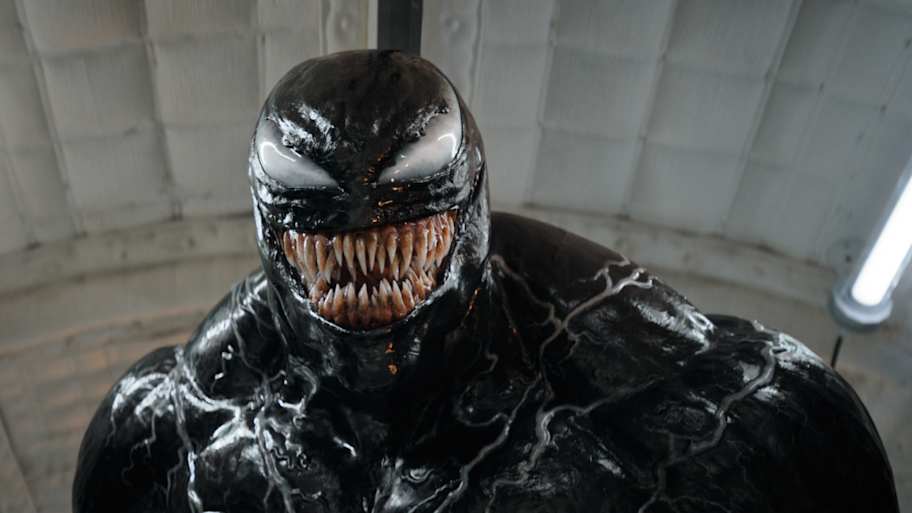
Thirty-eight years after Venom made his proper comic book debut in 1988’s The Amazing Spider-Man, the symbiote’s mythology is being rewritten in a way that longtime fans never saw coming. One of the most foundational figures in Venom lore has just been killed off — and the character responsible is Marvel’s newest symbiote addition to the universe.
This isn’t a minor side character being quietly written out of continuity. According to the source reporting, this is described as the franchise’s biggest death of all time — a bold claim in a universe that has cycled characters through death and resurrection for decades. When a death earns that label in comics, it signals a genuine shift in storytelling direction.
For readers who have followed the symbiote corner of Marvel for years, this development lands differently than a typical storyline shake-up. It touches the very roots of what Venom is, where the character came from, and what his legacy means going forward.
What We Know About the Death That Changes Venom Lore
The death is being framed not as a temporary plot device, but as a lore-altering moment — one that reshapes the foundational mythology surrounding Venom as a character and as a franchise.
Venom first appeared properly in 1988, meaning this mythology has been built and expanded across nearly four decades of storytelling. Any death significant enough to be called the franchise’s biggest ever carries enormous weight in that context.
The involvement of a new symbiote as the killer is particularly notable. Introducing a new character specifically to eliminate a legacy figure is a classic storytelling move — but it also signals that Marvel is actively investing in expanding the symbiote universe rather than simply cycling through existing characters.
Why Venom’s History Makes This Hit So Hard
To understand why this death matters, it helps to understand how carefully the Venom mythology has been constructed over the decades. Since that 1988 debut, the character has grown from a Spider-Man villain into one of Marvel’s most complex antiheroes, spawning spinoffs, film adaptations, and an entire ecosystem of symbiote-related characters.
Foundational characters in long-running franchises carry a different kind of narrative weight than newer additions. They represent the connective tissue between eras — the reason longtime readers feel a sense of continuity and investment across years of storytelling. Removing one of those figures permanently doesn’t just close a chapter; it forces a rethinking of what the story is fundamentally about.
That’s precisely why the reporting frames this as a lore change, not just a plot development. The distinction matters. A plot development can be reversed. A lore change rewrites the rules.
The Role of Marvel’s Newest Symbiote
The fact that a new symbiote is responsible for this death adds another layer to the story. Marvel has a long history of using new characters to shake up established dynamics — sometimes to refresh stagnating storylines, sometimes to introduce a new long-term player into the universe.
A new symbiote capable of killing one of Venom’s most important legacy figures immediately establishes that character as a serious threat. In franchise terms, that’s a significant narrative investment. Marvel isn’t introducing this symbiote as a background player — it’s positioning them as someone capable of altering the course of the entire mythology.
Whether this new symbiote becomes a recurring villain, an antihero in their own right, or a catalyst for a larger storyline remains to be seen. But the method of introduction — through the death of a beloved legacy character — guarantees immediate attention from the fanbase.
Key Facts at a Glance
| Detail | What We Know |
|---|---|
| Venom’s First Proper Appearance | 1988, The Amazing Spider-Man |
| Years of Venom Mythology | 38 years (as of 2026) |
| The Killer | Marvel’s newest symbiote |
| Significance of Death | Described as the franchise’s biggest death of all time |
| Impact on Lore | Described as a permanent, mythology-altering event |
- The death involves one of the most important characters in Venom’s foundational history
- A newly introduced symbiote carries out the killing
- The event is being treated as a genuine lore shift, not a temporary storyline
- Venom’s comic book mythology spans nearly four decades of continuity
What This Means for Fans Following the Symbiote Universe
For readers actively following Marvel’s symbiote-related titles, this is the kind of development that demands attention regardless of whether you’ve been reading for thirty years or three months. Deaths of this magnitude tend to ripple outward — affecting other characters, shifting ongoing storylines, and establishing new status quos that writers work with for years afterward.
For more casual fans who know Venom primarily from the film adaptations, this serves as a reminder that the comic book mythology continues to evolve in bold and sometimes jarring directions. The version of Venom on screen and the version in the comics have always diverged, but events like this widen that gap further — and often preview where the broader franchise may eventually head.
The symbiote corner of Marvel has always been one of its most creatively restless spaces. This development suggests that trend isn’t slowing down.
What Comes Next for Venom’s Mythology
With a legacy character gone and a new symbiote established as a major threat, the immediate question is where Marvel takes the story from here. Deaths of this scale typically serve as launchpads — for new characters, new conflicts, and new explorations of what the surviving cast means without the figure they’ve lost.
The new symbiote’s role going forward will be closely watched. Having made their presence known in the most dramatic way possible, they’re now a permanent part of the mythology they’ve just altered.
For Venom specifically, losing a foundational figure forces a reckoning with identity and legacy that could fuel compelling storytelling for years. Whether that’s the direction Marvel intends to pursue remains to be confirmed — but the pieces are now in place for something genuinely different.
Frequently Asked Questions
When did Venom first appear in Marvel comics?
Venom made his proper comic book debut in 1988 in The Amazing Spider-Man, establishing a mythology that has now spanned 38 years.
Who killed the major Venom lore character?
According to the source reporting, the killer is identified as Marvel’s newest symbiote, a recently introduced character in the franchise.
Is this death considered permanent?
The death is being described as a lore-changing event rather than a temporary plot development, though specific long-term story details have not been confirmed.
Does this affect the Venom film franchise?
This has not yet been confirmed. The death is a comic book event, and its potential influence on film adaptations has not been addressed in
Why is this being called the franchise’s biggest death of all time?
The reporting frames it that way based on the character’s foundational importance to Venom lore across nearly four decades of Marvel storytelling. Specific reasoning beyond that has not been confirmed in the available source material.




Leave a Reply