
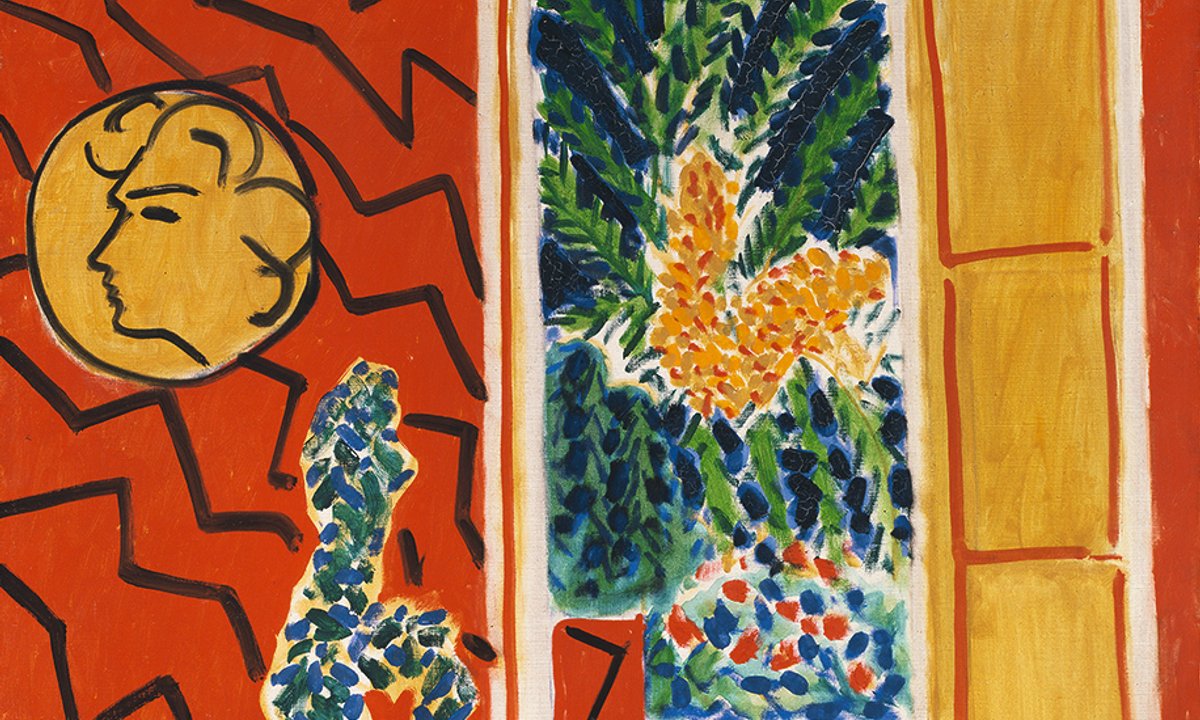
More than 300 works by one of the most transformative artists of the 20th century are now on display in Paris — and the art world is paying close attention. The Henri Matisse 1941–1954 exhibition at the Grand Palais opened on March 24, 2026, and is already drawing visitors from across the globe to witness what many are calling the art event of the decade.
The show focuses on the final creative chapter of Matisse’s life — a period defined not by limitation, but by radical reinvention. After confronting serious health challenges, the artist developed a technique so original it changed how the world thinks about color, shape, and what it means to make art.
If you are anywhere near Paris between now and late July, this is the exhibition that belongs at the top of your list.
Why Matisse’s Final Years Produced His Most Radical Work
Henri Matisse spent much of his career celebrated as a master of color and bold composition. But the work he produced in the last thirteen years of his life — the period covered by this exhibition — represents something entirely different from what came before.
Facing significant physical limitations in his later years, Matisse could no longer paint in the traditional sense. Rather than stepping back from creativity, he moved forward into a completely new medium: the cut-out gouache. Using scissors and sheets of paper painted with vivid color, he created compositions of extraordinary energy and visual power.
The technique sounds simple. The results were anything but. Critics and art historians have long argued that Matisse’s cut-outs — made when he was in his seventies and eighties — rank among the most influential artworks of the entire 20th century. This exhibition brings together over 300 of those works under one roof for the first time in a generation.
What the Matisse 1941–1954 Exhibition Actually Contains
The Grand Palais show is built around the cut-out gouaches that defined Matisse’s late career, but the scope is broader than that single technique. Visitors will encounter the full range of what the artist produced during this period, including some of his most recognized individual pieces.
Among the confirmed masterworks on display:
- La Gerbe — one of Matisse’s most celebrated late cut-outs, featuring explosive organic forms in vivid color
- La Tristesse du Roi — a large-scale cut-out widely considered among the most emotionally resonant works of his final years
- More than 300 total works spanning the period from 1941 to 1954
The exhibition is housed at the Grand Palais, one of Paris’s most iconic cultural venues, giving the show both the physical scale and the prestige the work demands.
| Detail | Information |
|---|---|
| Exhibition Title | Henri Matisse 1941–1954 |
| Venue | Grand Palais, Paris, France |
| Opening Date | March 24, 2026 |
| Closing Date | July 26, 2026 |
| Number of Works | Over 300 |
| Focus Period | Matisse’s final creative phase, 1941–1954 |
| Key Works Featured | La Gerbe, La Tristesse du Roi |
The Cut-Out Technique That Changed Everything
To understand why this exhibition matters, it helps to understand what the cut-out gouache actually is — and why it was so unexpected from an artist of Matisse’s stature.
The process involved painting sheets of paper with gouache in flat, saturated colors, then cutting those sheets into shapes — organic curves, figures, leaves, abstract forms — and arranging them into compositions. Matisse reportedly described the technique as “cutting directly into color,” treating the scissors the way a sculptor treats a chisel.
What makes the late work so remarkable is how fully it abandoned the conventions of his earlier painting while retaining everything essential about his vision: the intensity of color, the deceptive simplicity of form, and the feeling that each composition is perfectly, inevitably balanced.
The exhibition at the Grand Palais traces how this technique evolved across thirteen years, from its early experimental forms through the monumental large-scale works that Matisse completed in the final years before his death in 1954.
Why Paris Is the Right Place for This Show Right Now
Paris has always had a particular claim on Matisse’s legacy. Much of his most important work was made in France, and French institutions hold some of the most significant pieces from his late period. Hosting this exhibition at the Grand Palais — one of the city’s grandest cultural spaces — signals both the ambition of the show and its importance to the broader art world.
For travelers already planning a visit to Paris this spring or summer, the timing is ideal. The exhibition runs through the heart of the European travel season, and the Grand Palais is centrally located and easily accessible from across the city.
Art lovers who have followed Matisse’s work closely will find the concentration of late-period pieces genuinely rare. Over 300 works from a single artist’s final creative phase, gathered in one place, does not happen often. For many visitors, this will be a once-in-a-generation opportunity to see these pieces together.
What to Expect When You Visit
Given the scale of the exhibition and the level of international interest it has generated, visitors planning a trip to the Grand Palais should expect significant crowds, particularly on weekends and during peak summer travel weeks.
The show runs until July 26, 2026, giving visitors a roughly four-month window to attend. Those with flexibility in their travel plans may find weekday mornings offer a more manageable experience inside the galleries.
The Grand Palais itself is worth arriving early for — the building’s extraordinary iron-and-glass architecture makes it one of the most beautiful exhibition spaces in Europe, and the combination of the venue and the work on display makes this a genuinely memorable cultural outing.
Frequently Asked Questions
Where is the Matisse 1941–1954 exhibition being held?
The exhibition is being held at the Grand Palais in Paris, France.
When does the Matisse exhibition open and close?
The exhibition runs from March 24, 2026 to July 26, 2026.
How many works are included in the exhibition?
The exhibition features over 300 works from Matisse’s final creative period.
What is the cut-out gouache technique that the exhibition focuses on?
It is a method Matisse developed in his later years, involving cutting painted paper sheets into shapes and arranging them into compositions — a technique he turned to after health challenges made traditional painting difficult.
Which specific Matisse works are confirmed to be on display?
The source confirms that La Gerbe and La Tristesse du Roi are among the masterpieces featured in the exhibition.
Is this exhibition expected to travel to other cities after Paris?
This has not been confirmed in the available information about the show.




Leave a Reply