
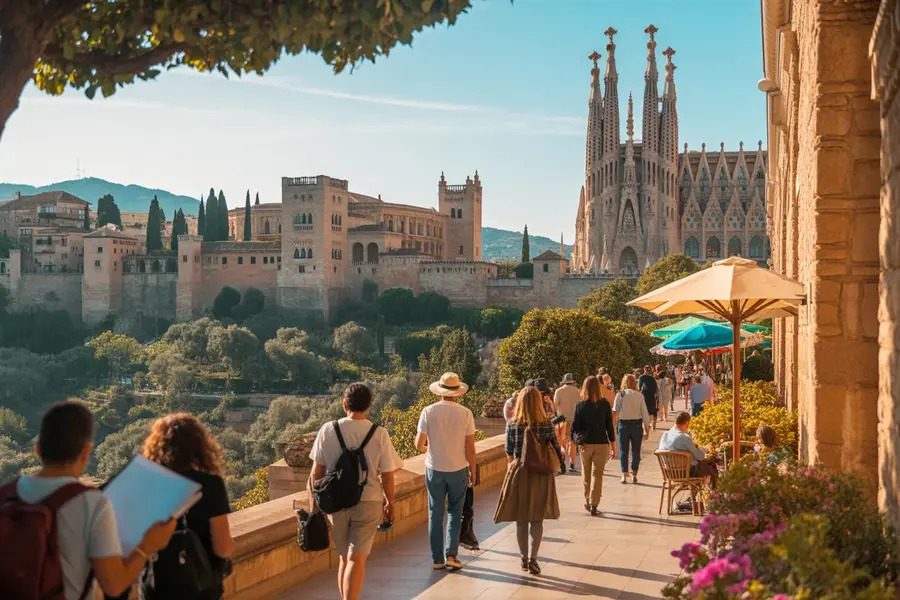
Easter 2026 is shaping up to be one of the most significant travel moments in recent memory — and Spain is sitting squarely at the center of it. The country has emerged as a standout destination in a global tourism surge that also includes the UK, Mexico, Greece, and Egypt, with travelers increasingly drawn to experiences that blend affordability with genuine quality.
What’s driving the momentum isn’t just wanderlust. Travelers are actively seeking what’s being described as “affordable luxury” — the idea that you don’t have to sacrifice comfort or cultural depth to stay within a reasonable budget. Spain, with its extraordinary range of landscapes and historic cities, is proving to be one of the most compelling answers to that demand.
From the sun-drenched coastline of Costa Brava to the architectural grandeur of Andalusia, the country offers something that few destinations can match: variety at scale. Whether you’re after a quiet beach, a UNESCO-listed monument, or a vibrant urban neighborhood, Spain delivers — and the 2026 Easter travel boom is making that clearer than ever.
Why the 2026 Easter Travel Boom Is Different
Easter has always been a popular travel window, but the 2026 surge carries a different energy. Travelers aren’t just booking getaways — they’re making deliberate choices about where their money goes and what kind of experiences they want to bring home.
The trend toward scenic holidays and rich cultural landmarks is a direct response to years of disrupted travel. People want meaning alongside the vacation. They want to stand in front of something that matters — a cathedral, a coastline, a centuries-old marketplace — not just check into a resort and stay poolside.
Spain, Greece, Egypt, Mexico, and the UK each offer something distinct within this framework. Egypt brings ancient history on a scale that’s hard to replicate anywhere. Greece offers island beauty and classical heritage. Mexico combines natural wonders with deep indigenous culture. The UK draws visitors with its literary history and iconic cities. And Spain threads all of these qualities together in a way that feels both accessible and genuinely extraordinary.
The Destinations and What They Offer
Understanding why these five destinations are leading the 2026 Easter boom requires looking at what each one actually brings to the table for today’s traveler.
| Destination | Key Appeal | Travel Style |
|---|---|---|
| Spain | Costa Brava beaches, Andalusian architecture, vibrant cities | Affordable luxury, cultural immersion, scenic holidays |
| Greece | Island landscapes, classical heritage, Mediterranean coastline | Scenic getaways, historic exploration |
| Egypt | Ancient landmarks, world-famous monuments | Cultural enrichment, landmark tourism |
| Mexico | Natural wonders, indigenous cultural heritage | Adventure travel, cultural discovery |
| United Kingdom | Historic cities, literary and royal heritage | Urban tourism, cultural tourism |
Spain’s position at the top of this list isn’t accidental. Its sheer diversity — coastal, urban, historic, and rural — means it can absorb large numbers of visitors without any single region feeling overwhelmed, at least in theory. Travelers can spread across the country and still find world-class experiences waiting for them.
What This Means for Travelers Planning an Easter Trip
If you’re considering an Easter 2026 trip to any of these destinations, the key theme running through all of them is the same: high-value experiences don’t have to come with a premium price tag. The concept of affordable luxury — quality accommodation, meaningful activities, and authentic local food without the eye-watering costs of ultra-premium travel — is what’s pulling people toward these markets right now.
Spain in particular has built a reputation for offering exactly this. A well-planned trip to Seville or Barcelona can deliver world-class food, architecture, and nightlife at a fraction of what the same quality would cost in cities like Paris or London. That’s a powerful draw for families, couples, and solo travelers alike.
The interest in scenic holidays is equally significant. Travelers aren’t just ticking off cities — they’re seeking landscapes that feel genuinely different from their daily surroundings. The Costa Brava, the Greek islands, Egypt’s Nile Valley, and Mexico’s natural parks all deliver on that front in ways that photographs genuinely cannot capture.
- Travelers historically concentrated on high-cost European capitals like Paris and London for Easter breaks.
- Luxury travel was largely defined by five-star hotels and premium flight classes rather than experience quality.
- Cultural landmarks were often secondary to comfort and convenience in traditional Easter travel planning.
- Spain, Greece, Egypt, Mexico, and the UK are leading a shift toward meaningful, value-driven Easter travel in 2026.
- Affordable luxury now means high-quality local food, authentic accommodation, and rich cultural experiences at accessible prices.
- Scenic holidays and historic landmarks are now primary motivators, with travelers seeking experiences that feel genuinely significant.
What the Rest of 2026 Looks Like for These Markets
The Easter window is just the opening chapter. The momentum building around these five destinations — Spain, the UK, Mexico, Greece, and Egypt — is expected to carry through the broader 2026 travel calendar. Easter travel often functions as a bellwether: where people go in spring tends to signal where interest will concentrate through summer and autumn.
For Spain specifically, a strong Easter performance would reinforce its standing as one of Europe’s most versatile destinations. The country’s combination of beach tourism, city tourism, and cultural tourism gives it a longer effective season than many of its competitors, which means the benefits of this Easter surge could extend well beyond April.
The broader industry shift toward affordable luxury and culturally rich travel also appears durable rather than seasonal. Travelers who prioritize meaningful experiences over pure indulgence tend to be repeat visitors — people who come back because they found something real, not just comfortable. That’s the kind of tourism that sustains destinations over the long term.
Whether you’re planning an Easter getaway or simply watching where global travel trends are heading, the 2026 surge points clearly in one direction: toward destinations that offer depth, beauty, and value in the same package. Spain, for now, leads that conversation.
Frequently Asked Questions
Why is Spain considered a leader in the 2026 Easter travel boom?
Spain has emerged as a standout destination due to its combination of scenic coastlines like Costa Brava, historic landmarks in Andalusia, and its strong appeal for travelers seeking affordable luxury experiences.
Which other countries are part of the 2026 Easter travel surge?
The UK, Mexico, Greece, and Egypt are all identified as key players alongside Spain in the global 2026 Easter tourism boom.
What is “affordable luxury” travel and why is it trending?
Affordable luxury refers to high-quality travel experiences — good food, meaningful activities, and authentic accommodation — at prices that don’t require a premium budget. It’s a growing priority for Easter 2026 travelers.
What types of experiences are travelers seeking this Easter?
Travelers are gravitating toward scenic holidays and rich cultural landmarks, seeking destinations that offer both relaxation and genuine cultural enrichment.
Is this Easter travel trend expected to continue beyond spring 2026?
The shift toward affordable luxury and culturally meaningful travel appears to be a durable trend rather than a seasonal spike, with implications for the broader 2026 travel calendar.
What specific Spanish destinations are drawing Easter visitors?
The Costa Brava coastline and the architectural landmarks of Andalusia are specifically highlighted as key draws for travelers visiting Spain during the Easter 2026 period.


Leave a Reply