
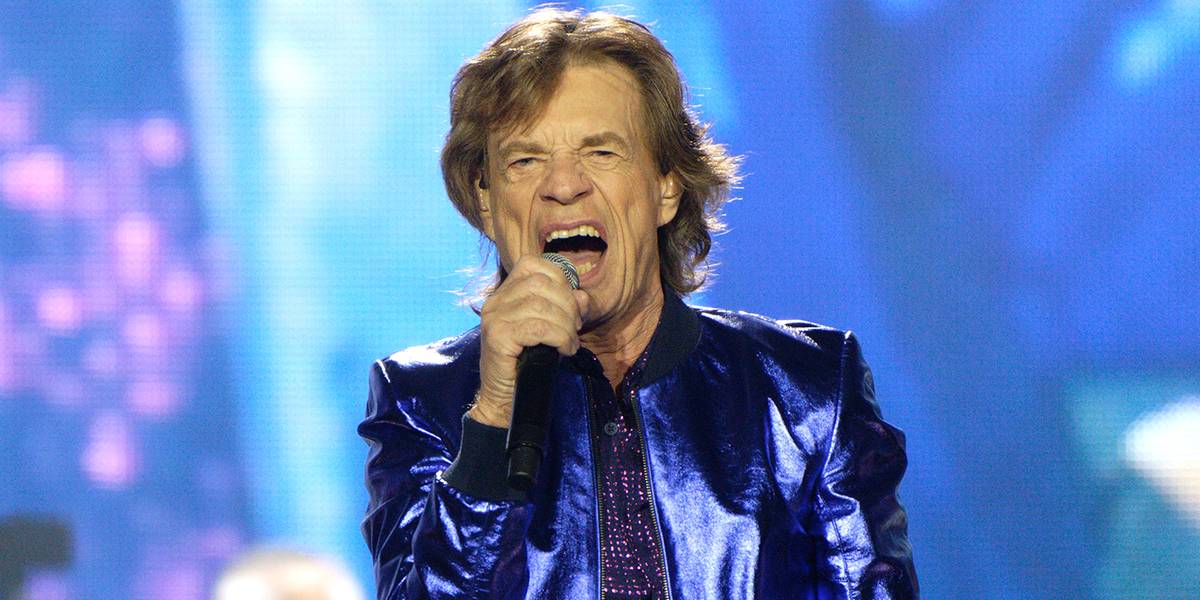
When one of rock’s all-time greatest frontmen points to someone else and says they’re the best, people tend to listen. Mick Jagger — the voice and face of The Rolling Stones for more than six decades — has made no secret of his admiration for fellow artists he considers truly exceptional. And when it comes to the title of greatest singer-songwriter of all time, Jagger has consistently pointed to one name: Bob Dylan.
That kind of praise carries real weight. Jagger himself is widely regarded as one of the most influential performers in the history of popular music. For him to elevate another artist to that level says something meaningful about both men — and about what it takes to earn genuine respect in an industry full of outsized egos and short memories.
The acknowledgment reflects a long-standing mutual respect between two of the most enduring figures in 20th and 21st century music, both of whom rose to prominence in the 1960s and never really stopped mattering.
Why Mick Jagger’s Opinion on This Actually Matters
It’s easy to dismiss celebrity opinions as noise. But when Mick Jagger — a man who has shared stages, eras, and cultural moments with virtually every major artist of the last 60 years — singles out one person as the greatest singer-songwriter of all time, that’s not a casual comment. That’s a verdict from someone who has seen the full landscape up close.
Jagger has always been vocal about his musical influences and his respect for other artists. His admiration for Dylan isn’t a recent revelation or a publicity moment. It reflects something deeper: a recognition that Dylan’s combination of lyrical genius, musical adaptability, and sheer longevity represents something that very few artists in history have managed to pull off.
Dylan, for his part, has had one of the most remarkable careers in popular music — from acoustic folk protest songs in the early 1960s to electric rock, country, gospel, and beyond. He was awarded the Nobel Prize in Literature in 2016, a recognition that underscored what many in the music world had long argued: that his songwriting belongs in the same conversation as the great literary works of the modern era.
What Sets Bob Dylan Apart as a Singer-Songwriter
The case for Dylan as the greatest singer-songwriter of all time isn’t hard to make, even without Jagger’s endorsement. But having it come from someone of Jagger’s stature adds a layer of peer validation that critics and fans simply can’t replicate.
Here are some of the reasons Dylan’s legacy stands in a category of its own:
- Lyrical depth: Dylan’s songwriting introduced a level of literary complexity to popular music that was genuinely unprecedented in the early 1960s. Songs like “Blowin’ in the Wind,” “The Times They Are a-Changin’,” and “Like a Rolling Stone” are studied as poetry as much as music.
- Musical reinvention: Dylan has never stayed in one lane. He has moved fluidly between folk, rock, country, blues, gospel, and even jazz-inflected material — and done so credibly each time.
- Cultural impact: Few artists have shaped the political and social consciousness of their era the way Dylan did in the 1960s. His influence extended far beyond music into literature, film, and activism.
- Longevity: Dylan has been releasing critically regarded work for more than six decades. That kind of sustained creative output is almost without parallel.
- Nobel Prize in Literature (2016): The Nobel committee’s decision to award Dylan the prize formally acknowledged that his songwriting transcends genre and belongs in the canon of great literature.
A Snapshot: Two Legends, One Era
| Artist | Band / Solo | Career Start | Known For | Notable Recognition |
|---|---|---|---|---|
| Mick Jagger | The Rolling Stones | Early 1960s | Frontman, performer, rock icon | Rock and Roll Hall of Fame (with The Rolling Stones) |
| Bob Dylan | Solo | Early 1960s | Singer-songwriter, poet, cultural voice | Nobel Prize in Literature (2016), Rock and Roll Hall of Fame |
Both artists emerged from the same transformative decade, yet carved out entirely different spaces in music history. Jagger became the archetype of the rock frontman — all swagger, presence, and performance. Dylan became something harder to define: a writer who happened to work in music, or a musician whose work demanded to be read as literature.
What This Kind of Peer Recognition Really Signals
There’s a particular kind of credibility that only comes from other artists. Critics can analyze, fans can adore, and award committees can honor — but when a peer of Jagger’s standing names someone the greatest of all time, it carries a different quality of weight entirely.
It suggests that even at the very top of the music world, there is a hierarchy of craft that working musicians recognize privately, even when it rarely gets said out loud. Jagger saying it publicly is the kind of moment that cuts through the usual noise of music commentary.
It also reflects something true about Dylan’s peculiar place in culture. He is simultaneously one of the most celebrated and most debated figures in music history. Some find his voice an acquired taste. Some argue his later work doesn’t match his 1960s peak. But very few serious musicians would dispute that his songwriting, taken as a whole body of work, is among the most significant ever produced.
The Lasting Conversation Between Rock’s Greatest Voices
What makes this story worth paying attention to isn’t just the compliment itself — it’s what it reveals about how greatness recognizes greatness. Mick Jagger has nothing to gain from calling Bob Dylan the greatest singer-songwriter of all time. He’s not promoting a collaboration, not selling a biography, not angling for a headline. It reads as a genuine artistic verdict from someone who has spent a lifetime in the same world.
For music fans, it’s a reminder that the conversation about who truly matters — not just commercially, but artistically — is one that the artists themselves are always having, even when the rest of us aren’t listening.
Frequently Asked Questions
Who did Mick Jagger name as the greatest singer-songwriter of all time?
Mick Jagger has named Bob Dylan as the greatest singer-songwriter of all time, reflecting a long-standing admiration for Dylan’s work.
Why does Mick Jagger’s opinion on this carry weight?
Jagger is one of the most enduring and respected figures in rock history, making his peer assessments of other artists particularly meaningful within the music world.
Has Bob Dylan received other major recognition for his songwriting?
Yes — Dylan was awarded the Nobel Prize in Literature in 2016, with the committee recognizing that his songwriting belongs alongside the great literary works of the modern era.
When did both Mick Jagger and Bob Dylan begin their careers?
Both artists rose to prominence in the early 1960s, emerging from the same transformative decade in popular music history.
Is this the first time Jagger has spoken positively about other artists?
According to available reporting, Jagger has consistently been vocal about his admiration for fellow artists he considers exceptional throughout his career.
Did Dylan and Jagger ever collaborate musically?


Leave a Reply